Updated August 20, 2026
12 min read
The Drywall Trade Agreement: Opportunities for Your Business

The Drywall Trade Agreement: Opportunities for Your Business
Content
Navigating the world of construction and, specifically, the drywall business can be quite complex without a thorough understanding of the rules that govern its trade — the drywall trade agreement. This all-inclusive agreement dictates everything, from pricing stipulations to quality standards. In this article, we're going to have a deep dive into the drywall contractor trade agreement and cover everything, from the genesis of the agreement to practical applications and how to leverage it for your business success.
Purpose of the Drywall Trade Agreement
The purpose of the drywall trade agreement is primarily to streamline the transnational commerce of drywall products. By establishing a fair, regulated structure for trade, this agreement offers a level playing ground for all market players, from manufacturers to contractors. Thus, the drywall contractor trade agreement is not a document to be buried in bureaucratic files — it's a critical component of your business toolkit.
Who needs a drywall trade agreement?
A drywall trade agreement can be essential for a variety of stakeholders within the industry. Here are some groups that may need this type of agreement:
Manufacturers: Manufacturers of drywall materials may require the drywall trade agreement to ensure they adhere to set industry standards and create quality products. It also fosters credibility among customers and business partners.
Contractors: Drywall contractors could use the drywall contractor trade agreement to establish clear terms of service, delivery schedules, and pricing protocols with suppliers and clients.
Distributors and suppliers: Those involved in the distribution and supply of drywall materials may need the drywall trade agreement to define their working terms with manufacturers and contractors, establishing clear routes of supply and payment terms.
Construction companies: Firms that frequently engage in projects requiring drywall installation could utilize the drywall trade agreement to streamline their procurement process and ensure they are getting quality materials at a fair price.
Trade unions and associations: These entities might use a drywall trade agreement as an industry guideline to advocate for fair business practices among their members.
So, a drywall trade agreement can serve as a beneficial tool for a wide range of industry stakeholders to conduct business with fairness, transparency, and efficiency.
Key features of the drywall trade agreement
The drywall trade agreement encompasses various pivotal characteristics. For a drywall contractor, the primary attention should be on the elements that directly influence your business operations. A well-negotiated drywall contractor trade agreement can build the foundation for success. Here are some of its key features each drywall contractor should be aware of:
- 1
Product standards: The drywall trade agreement clearly sets out the product quality and safety standards that must be met. This ensures consistency and reliability throughout the industry.
- 2
Dispute resolution procedures: An important feature of the drywall trade agreement is the inclusion of clear and effective dispute resolution procedures. This lays out an agreed-upon path to resolving potential disputes or disagreements.
- 3
Trade conditions: Drywall trade agreements also outline the conditions under which trade must be conducted. This covers areas like import-export rules, tariffs, quotas, and more, making it a crucial aspect of the agreement.
- 4
Contractual obligations: The drywall trade agreement also includes detailed contractual obligations that each party must meet.
- 5
Confidentiality clauses: Drywall trade agreements often include confidentiality clauses. These are intended to protect sensitive business information shared between contracting parties.
- 6
Service agreement terms: Finally, drywall trade agreements lay out the terms of the service agreement. This covers everything from payment terms to delivery schedules, ensuring all parties know what to expect.
Implications for the Global Construction Industry
Central to the construction industry, the drywall trade agreement plays a significant role in underpinning quality regulations, pricing, and dispute resolution, culminating in an environment conducive to fair business transactions. In this section, we will explore the host of opportunities that this agreement brings forth and cast light on the potential challenges that stakeholders might face.
The role of the drywall trade agreement within the industry
In the global construction industry, the drywall trade agreement acts as a cornerstone. By outlining regulations for quality, pricing, and dispute resolution, it safeguards industry interests while promoting free and fair trade. With increased transparency brought about by such an agreement, businesses have a clearer projection of their risk-reward ratios.
Opportunities offered by the drywall trade agreement
The drywall trade agreement is a treasure trove of opportunities for different stakeholders within the industry. Here's the rundown of the advantages that it brings:
Credibility for manufacturers: The drywall trade agreement intricately outlines quality standards, economically benefiting manufacturers. This clear delineation of product norms lends credibility to manufacturers and ensures the production of high-quality drywall material.
Fair pricing practices: The drywall trade agreement also promotes an equitable business environment by encouraging fair pricing practices. Contractors or builders can leverage this aspect of the agreement to establish consumer trust and competitiveness in the market.
Encouragement for business growth: The drywall trade agreement creates a conducive environment for growth, fostering opportunities for companies to expand and develop in the industry. It helps convert potential business challenges into driving factors for growth.
Potential risks and challenges of the drywall trade agreement
While the drywall trade agreement offers numerous benefits, it's not devoid of potential risks and challenges. These could emanate from changes in import-export duties, alterations in product quality standards, or fluctuations in the global drywall market. Thus, businesses need to have a comprehensive understanding of the ever-evolving landscape dictated by the drywall contractor trade agreement. To understand all the potential risks for your business, you can consult an expert in business law.
Conclusion
The drywall trade agreement plays a critical role in shaping the business landscape within the drywall industry. It assures credibility for manufacturers, encourages fair pricing, and presents ample opportunities for business growth.
With a well-crafted drywall contractor trade agreement, it's possible to turn potential challenges into opportunities. Understanding this agreement's intricacies and utilizing them effectively within your business operations is integral for sustained growth and success in today's competitive marketplace. Do not hesitate to use standard service forms that will help you understand all the regulatory complexities and open up the untapped potential for profit and expansion.
FAQ
More guides
September 7
9 min read
MSA vs SOW: Key Differences and Why You May Need Both

July 24
10 min read
Construction Documents: Must-Haves for Commercial Projects

July 22
7 min read
How to Avoid Contractor Scams During Home Renovation

July 23
8 min read
The Challenges of HVAC Contract Management

September 1
7 min read
How to Provide Proof of Employment: Documents and Steps

October 8
8 min read
How to Start a Videography Business: 8 Essential Steps

One home for your
agreements
Edit PDFs seamlessly
Tweak agreements before signing or sending for signatures. Update details, add or remove clauses, adjust formatting, and redline changes instantly.
eSign legally and securely
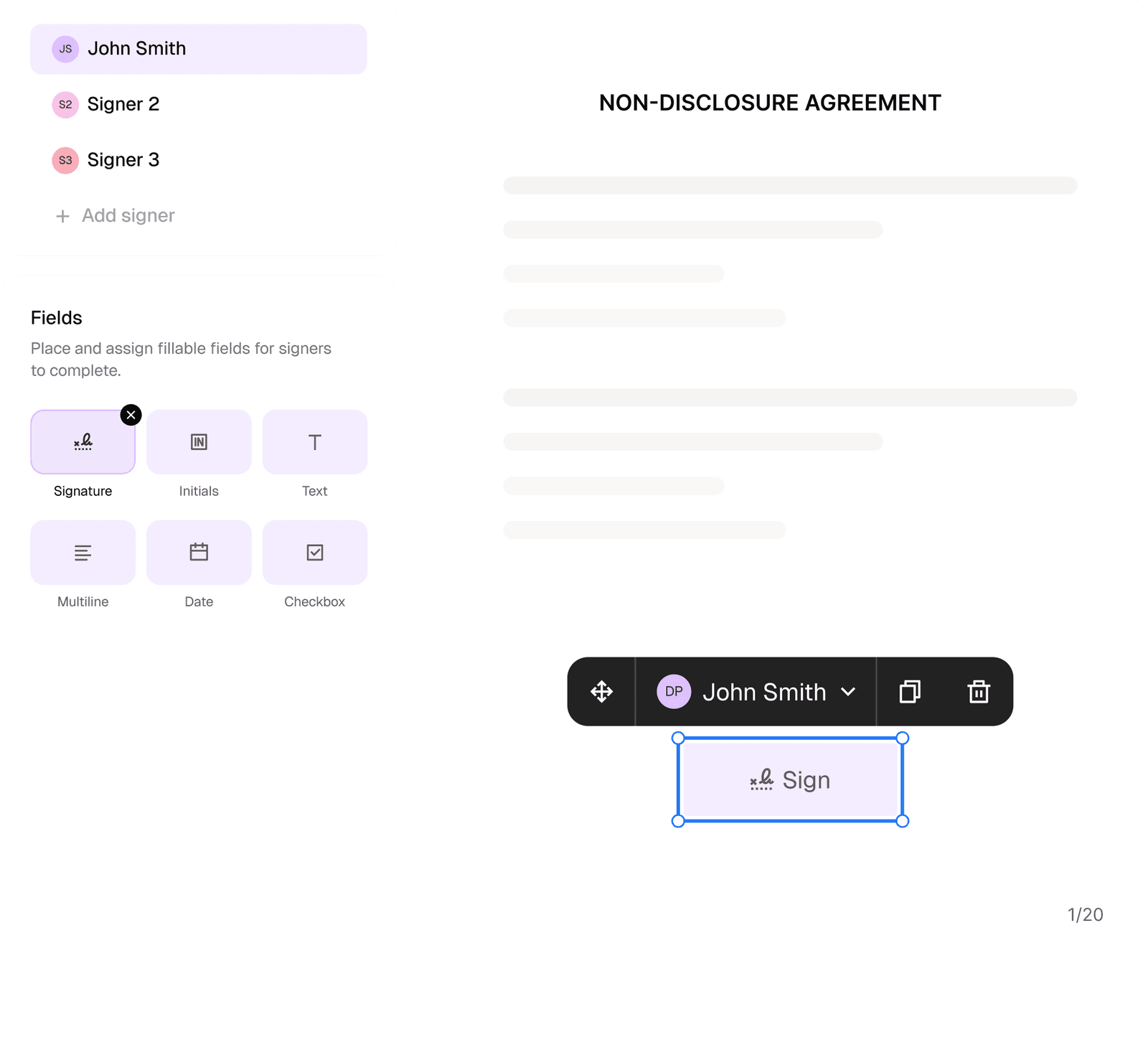
Sign documents and collect legally binding signatures. Invite up to ten people to sign in any order, track the progress, and send reminders.
Request legally binding signatures
Invite up to ten people to sign your document in any order. Get a finalized, audit-ready copy without chasing signatures.
Skip the drafting.
Choose from 2,500+ templates
Browse templatesChoose a template
Fill in details

Sign and download