Updated July 22, 2026
7 min read
How to Avoid Contractor Scams During Home Renovation
How to Avoid Contractor Scams During Home Renovation
Content
Renovating your home is supposed to be exciting until a dishonest contractor turns it into stress and financial loss. Whether you’re replacing an old HVAC system or remodeling an entire space, clear communication and proper documentation are your best protection.
A simple handshake agreement isn’t enough. Using a detailed written agreement, such as the specialized HVAC installation form, helps define expectations, protect your investment, and maintain transparency throughout the project from start to finish.
Recognizing Contractor Scams
Scams often start with urgency or charm. Someone might knock on your door claiming they just finished a job nearby and can offer leftover materials at a “discount.” Others pressure you to pay upfront in cash or skip written paperwork.
Common red flags include:
- Unsolicited offers for quick or cheap work.
- Requests for large deposits or full payment before starting.
- Refusal to provide a license or proof of insurance.
- Vague contracts or verbal-only promises.
Once the money is paid, these contractors may disappear or deliver poor-quality work. According to the Federal Trade Commission, legitimate professionals will always provide credentials and clearly written terms before any payment is made.
Why HVAC Projects Need Extra Caution
Heating, ventilation, and air conditioning work involves technical systems, permits, and safety standards. Mistakes aren’t just inconvenient; they can be dangerous or extremely costly — especially if they’re not covered by insurance.
For example, a contractor might install the wrong equipment, skip an inspection, or use substandard materials. Without a detailed contract describing the brand, warranty, and scope of work, you could end up paying twice to fix those mistakes.
An HVAC agreement should always cover:
- The exact system or components to be installed or serviced.
- Payment milestones are tied to the completion of specific stages.
- Warranty details for both parts and labor are provided.
- Clear timelines and inspection responsibilities.
A written document keeps both sides accountable and prevents misunderstandings before they happen.
How to Hire Safely
Before hiring anyone, do your homework. Check your state’s licensing database, confirm insurance, and read recent reviews. Don’t rely only on online ratings — ask for references and talk to past clients directly.
When comparing bids, ensure each one includes the exact scope of work so that you can evaluate them fairly and accurately. Avoid anyone who refuses to provide estimates in writing.
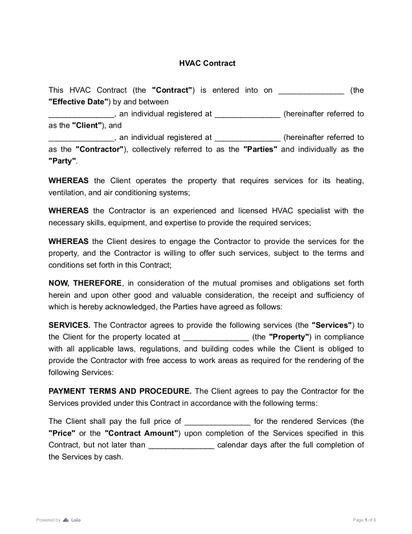
Once you’ve chosen a contractor, fill out a clear, complete agreement. The employment contract or HVAC contract is designed for exactly this purpose: outlining scope, payment, materials, warranties, and deadlines in plain language.
If your renovation involves more than just HVAC, for example, kitchen or structural upgrades, a broader home improvement contract can help you document labor, materials, and deadlines across the entire project. And if you’re hiring an individual rather than a company, pairing the project contract with an independent contractor agreement helps clarify roles, liability, and responsibilities from the beginning.
During the project, stay involved. Keep written records, take photos, and note any changes that occur. Only sign off on the final payment after the work is completed and inspected.
If You’ve Been Scammed
Even careful homeowners can face problems and be scammed by contractors. If your contractor takes your money or leaves the job incomplete, act quickly.
- Document everything — contracts, messages, receipts, and photos.
- Contact the contractor in writing, describing what hasn’t been completed and requesting a fix within a deadline.
- Report the issue to your state’s consumer protection office or licensing board if they don’t respond.
- Seek legal options such as small-claims court or mediation. A written contract will support your case and clarify each party’s obligations.
Avoid paying any remaining balance until the issue is resolved. Maintaining professional and documented communication helps prevent further loss. If your payments were structured through a payment agreement with milestone-based installments, you can legally pause future payments until the work is completed correctly.
Why Written Agreements Matter
A formal HVAC contract isn’t just a legal protection; it’s also a communication tool. It ensures you and your contractor understand the project the same way: what’s included, what’s excluded, and how problems will be handled.
When both parties rely on the same document, misunderstandings decrease, timelines stay on track, and payments remain fair. Even for small repair jobs, a written agreement helps you maintain control and confidence.
Key Takeaway
Home renovations can be rewarding when managed carefully. Most contractor issues come from unclear terms, rushed decisions, or missing paperwork — and all are preventable.
If you’re ever unsure what to do if a contractor takes your money, the answer usually starts with documentation and a written agreement to prove what was promised. That’s why having the right paperwork from the start matters.
Start by using a clear, professional document, such as the HVAC contract. Combine that with proper research and documentation, and you’ll have everything you need to protect your project, your home, and your peace of mind.
More guides
September 7
9 min read
MSA vs SOW: Key Differences and Why You May Need Both
July 24
10 min read
Construction Documents: Must-Haves for Commercial Projects

July 23
8 min read
The Challenges of HVAC Contract Management
August 20
12 min read
The Drywall Trade Agreement: Opportunities for Your Business
September 1
7 min read
How to Provide Proof of Employment: Documents and Steps

October 8
8 min read
How to Start a Videography Business: 8 Essential Steps

One home for your
agreements
Edit PDFs seamlessly
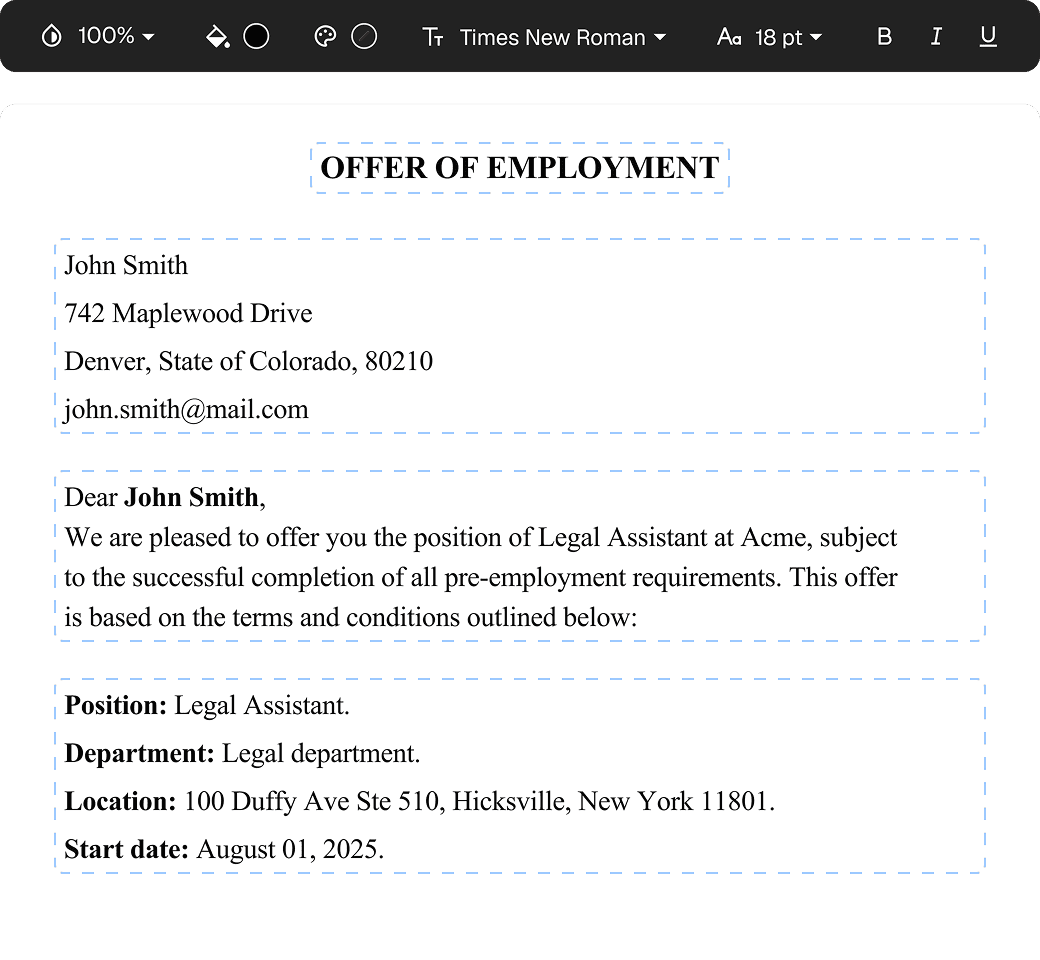
Tweak agreements before signing or sending for signatures. Update details, add or remove clauses, adjust formatting, and redline changes instantly.
eSign legally and securely
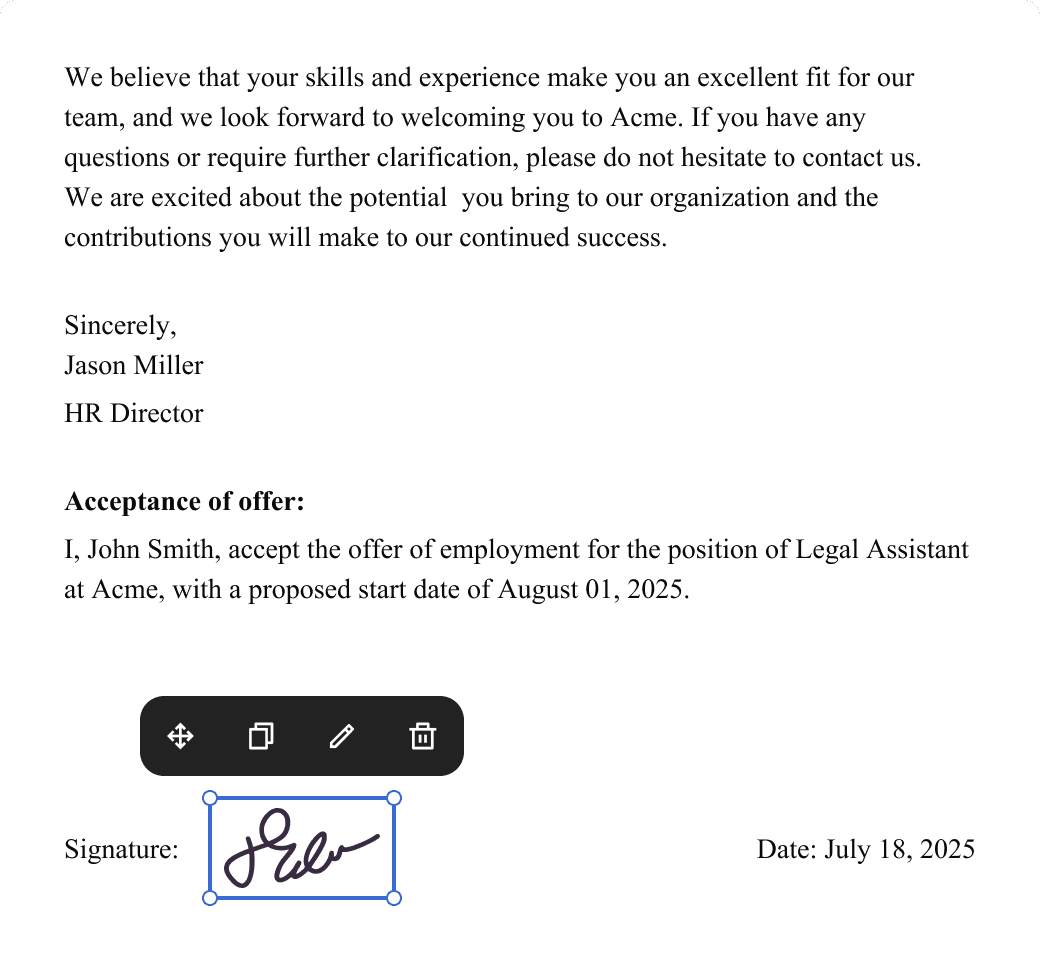
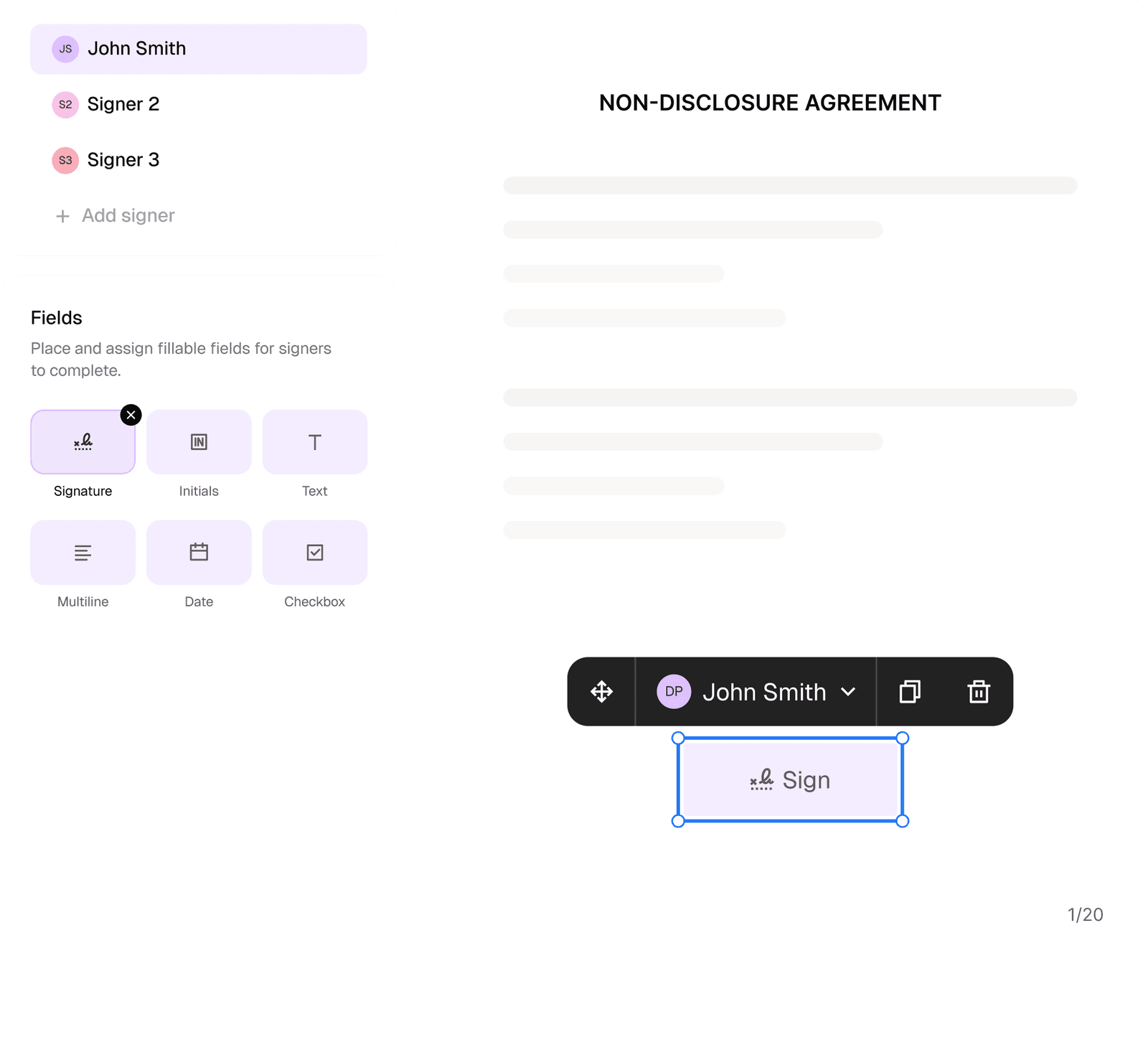
Sign documents and collect legally binding signatures. Invite up to ten people to sign in any order, track the progress, and send reminders.
Request legally binding signatures
Invite up to ten people to sign your document in any order. Get a finalized, audit-ready copy without chasing signatures.
Skip the drafting.
Choose from 2,500+ templates
Browse templatesChoose a template
Fill in details
Sign and download