Updated July 24, 2026
10 min read
Construction Documents: Must-Haves for Commercial Projects
Construction Documents: Must-Haves for Commercial Projects
Content
It’s easy to assume that a construction project comes down to one main document — the construction contract. Sign it, start building, and figure things out along the way. Of course, a construction contract does one important thing: it defines the relationship between parties — who does the work, how much it costs, and when it should be finished. But it doesn’t cover everything that can go wrong on a real jobsite.
Here’s what actually matters: construction projects involve dozens of moving parts — permits, designs, payments, risks, and third parties. If those aren’t documented clearly, small gaps turn into expensive disputes. So the question isn’t whether you need construction documents. But which ones actually protect you when things don’t go as planned? Let’s break that down step by step.
What Are Examples of Important Pre-Construction Documents?
Before a project can actually move forward, you’ll need a few key documents that make it both legal and safe to run. These don’t come one by one: the construction contracts, permits, and insurance are usually handled at the same time. You might start drafting the agreements early, but work on-site typically can’t begin until permits are approved and insurance is in place.
Construction permit: what allows you to start
A construction permit is an official approval from a local authority that authorizes the start of construction work. This permit is issued at the local level, not federally. It means you don’t apply through one national system; you apply through the city or county where the project is located.
Example (New Jersey):
In New Jersey, permit forms are standardized at the state level through the Department of Community Affairs, but you still submit your application to your local construction office. You can find the official forms here: Construction permit forms (NJ.gov)
If your project is in a city, you’ll usually apply through the city’s building department website or office. And if it’s outside city limits, you’ll apply at the county level.
Liability insurance: what protects you before work begins
Construction is high-risk. In fact, 38.4% of construction fatalities are caused by falls, slips, and trips, which is why liability insurance is usually required before any work begins. This insurance covers damages, injuries, or accidents and protects not just your business, but everyone involved in the project.
You’ll arrange coverage through an insurance broker, commercial insurer, or a construction-focused provider. The process typically involves describing the project, selecting the appropriate coverage (usually general liability or builder’s risk), and receiving a certificate of insurance (COI) — the document required before work can begin on-site.
What Documents Are Required for Construction?
The U.S. construction industry employs over 12.1 million people, which means projects involve many teams, moving parts, and constant coordination. Without structure, this can quickly turn into chaos — and that’s exactly what construction management documents help to solve.
The construction contract documents control how work is done, paid for, and adjusted over time. You don’t always have to build them from scratch — there are ready-made templates reviewed by lawyers that you can use as a starting point. Documents can be filled out and adjusted to include details specific to your project, or updated with a PDF editing tool to match the terms, scope, and agreements.
Start of the construction project
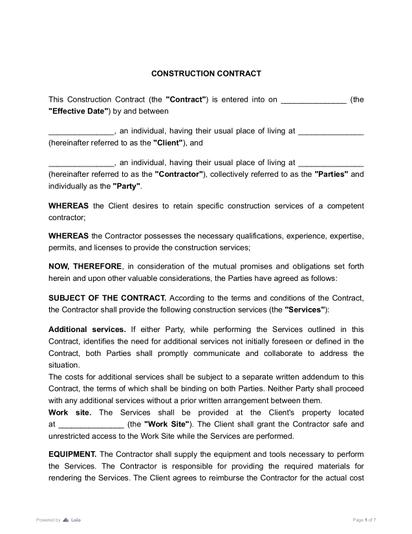
At the start, everything usually comes back to the core document — the construction contract. It sets the foundation by clearly defining what is included in construction documents:
Scope of work (SOW)
What exactly is being built, installed, or delivered.Timeline and milestones
When the project starts, the key phases and the expected completion.Payment terms
Total cost, payment schedule, and conditions for releasing funds.Roles and responsibilities
Who is responsible for each part of the project.
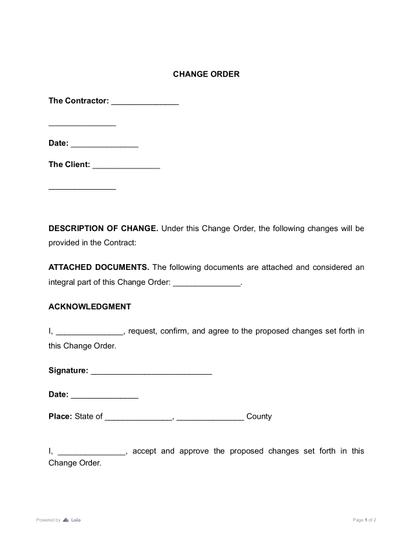
Even if everything seems clearly defined in the contract, it’s still recommended to plan for changes. Construction projects rarely go exactly as expected, and updates happen throughout the process. That’s why a change order is used alongside the contract — to document any adjustments as the project evolves.
You’ll also need technical plans, usually in the form of architectural drawings. This set usually includes several types of drawings and plans, each covering a different part of the building. Together, they show how the project should be built from design to execution.
In most cases, this includes:
- Architectural drawings. Floor plans, elevations, sections, and layout details.
- Structural drawings. Foundations, framing, load-bearing elements.
- Mechanical, Electrical, Plumbing (MEP) plans. HVAC systems, wiring, lighting, water supply, drainage.
- Site plans. Building placement, access roads, utilities, and landscaping.
- Detail drawings. Specific construction elements (connections, finishes, materials).
- Specifications (specs). Written descriptions of materials, standards, and installation requirements.
Architectural drawings translate ideas into clear, measurable instructions. The construction contract defines what should happen, while the drawings show how it should look and be built. If they’re unclear, contractors may interpret details differently, which often leads to rework, delays, and additional costs.
Execution phase
The main contractor rarely does everything alone. Different parts of the project are usually handled by specialists, which is where subcontractor agreements come in. You’ll typically need separate agreements for:
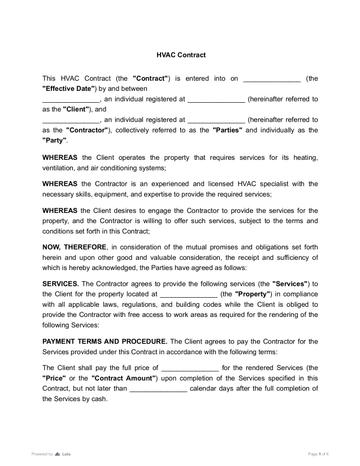
HVAC – when installing heating, ventilation, and air systems.
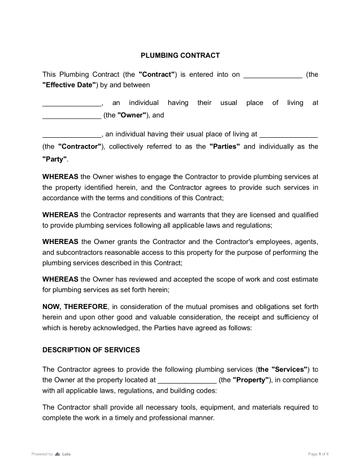
Plumbing – for water supply, drainage, and piping systems
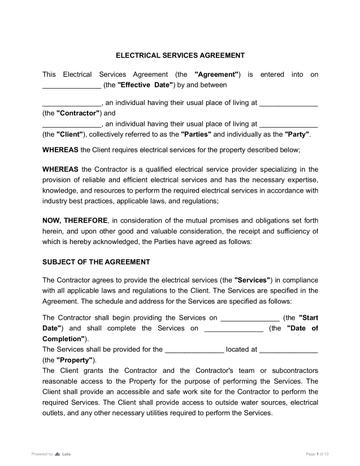
Electrical work – for wiring, lighting, and power systems.
Demolition or site prep – when clearing or preparing the space before construction.
Each agreement defines what the subcontractor is responsible for. If something goes wrong, this construction paperwork helps determine who is accountable.
- HVAC Contract
 6687 downloads
 - Plumbing Contract
 5354 downloads
 - Electrical Service Agreement
 6908 downloads
A construction project depends on two main things: people and materials. Skilled subcontractors do the work, while suppliers make sure everything needed is available on-site at the right time. You will need a supplier agreement to help manage setting pricing, delivery schedules, and quality standards.
If this part is not clearly defined, even a small delay, like the late delivery of equipment, can slow down the entire project timeline. If something feels unclear, it's better to review the supplier agreement again; sometimes, small details cause bigger issues later.
Financial management in construction
Everything about money should be on paper. That’s why you need clear agreements — but they’re used at slightly different moments in a construction project.
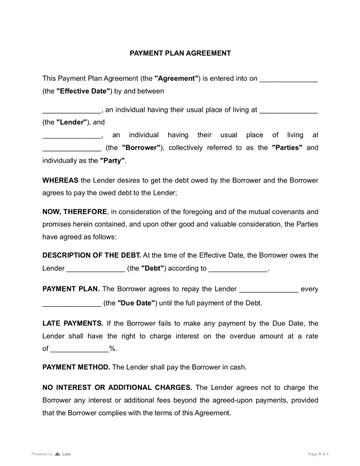
A payment agreement is used to control when and how money moves during the project. It’s usually set at the beginning and tied to milestones — for example, payments after foundation work, framing, or final completion. This helps keep cash flow predictable and ensures work continues without delays.
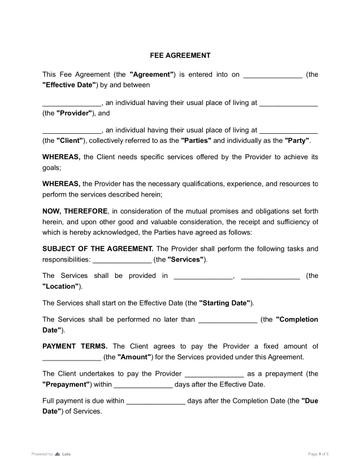
A fee agreement, on the other hand, explains what exactly you’re paying for. It’s often used when hiring professionals like architects, engineers, or consultants. It breaks down their services, additional costs, and how billing works, so there are no surprises about what is included in the price and what is not.
- Payment (Plan) Agreement
 4592 downloads
 - Fee Agreement
 6504 downloads
Building documentation for risk protection
If you’re a contractor and the job is done, but payment hasn’t come through, the problem becomes very real — especially if you’ve already paid for labor and materials. In this situation, you need something more than just reminders or emails.
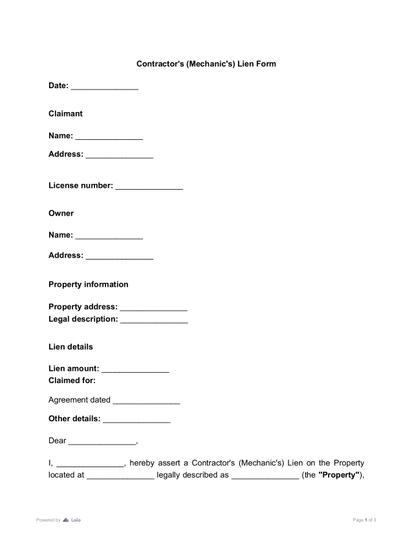
A contractor’s lien lets you place a legal claim on the property until you’re paid. It puts pressure on the owner because they usually can’t sell, refinance, or move forward with the property until the debt is cleared. In the U.S., lien rights are protected by state laws, but the process is strict. You’ll usually need to send a notice early, file the lien within a deadline, and follow exact steps. If you miss something, you may lose this protection.
Payment is only one type of risk in construction. Many projects face delays due to labor shortages, supply chain issues, and regulations, along with common problems like scope misunderstandings, safety incidents, and cost overruns. These risks can usually be managed with clear timelines, supplier agreements, detailed drawings, insurance, and change orders.
Project completion and closeout
Finishing the work doesn’t automatically mean the project is closed. You still need to confirm it on paper with a notice of completion.
After the work is done, you prepare this document with basic details about the project and the completion date. Then it’s usually filed with the local county office (like the recorder or clerk) where the property is located. In some cases, it’s also shared with the owner, contractors, or other involved parties. In many states, this step has strict timing — the notice often needs to be recorded shortly after completion (commonly within about 10–15 days), and may also require notifying subcontractors or even publishing the notice locally.
More guides
September 7
9 min read
MSA vs SOW: Key Differences and Why You May Need Both
September 1
7 min read
How to Provide Proof of Employment: Documents and Steps
October 15
How to Start a Staffing Agency: Licensing, Pricing, and Cash Flow
September 12
13 min read
Construction Change Order Process: How to Avoid Scope Creep

July 21
8 min read
Statement of Work vs Scope of Work: Differences and How They Work Together
September 10
14 min read
How to Protect Your Small Business from Lawsuits
One home for your
agreements
Edit PDFs seamlessly
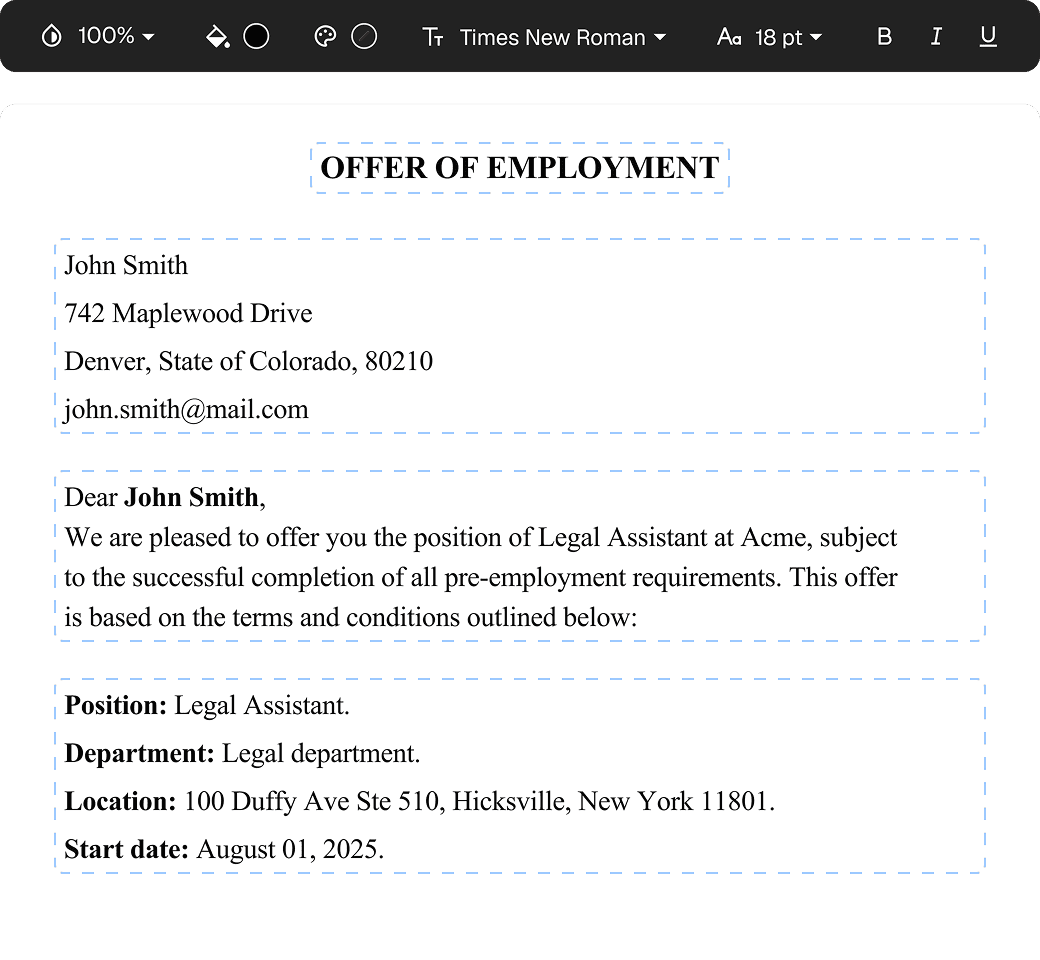
Tweak agreements before signing or sending for signatures. Update details, add or remove clauses, adjust formatting, and redline changes instantly.
eSign legally and securely
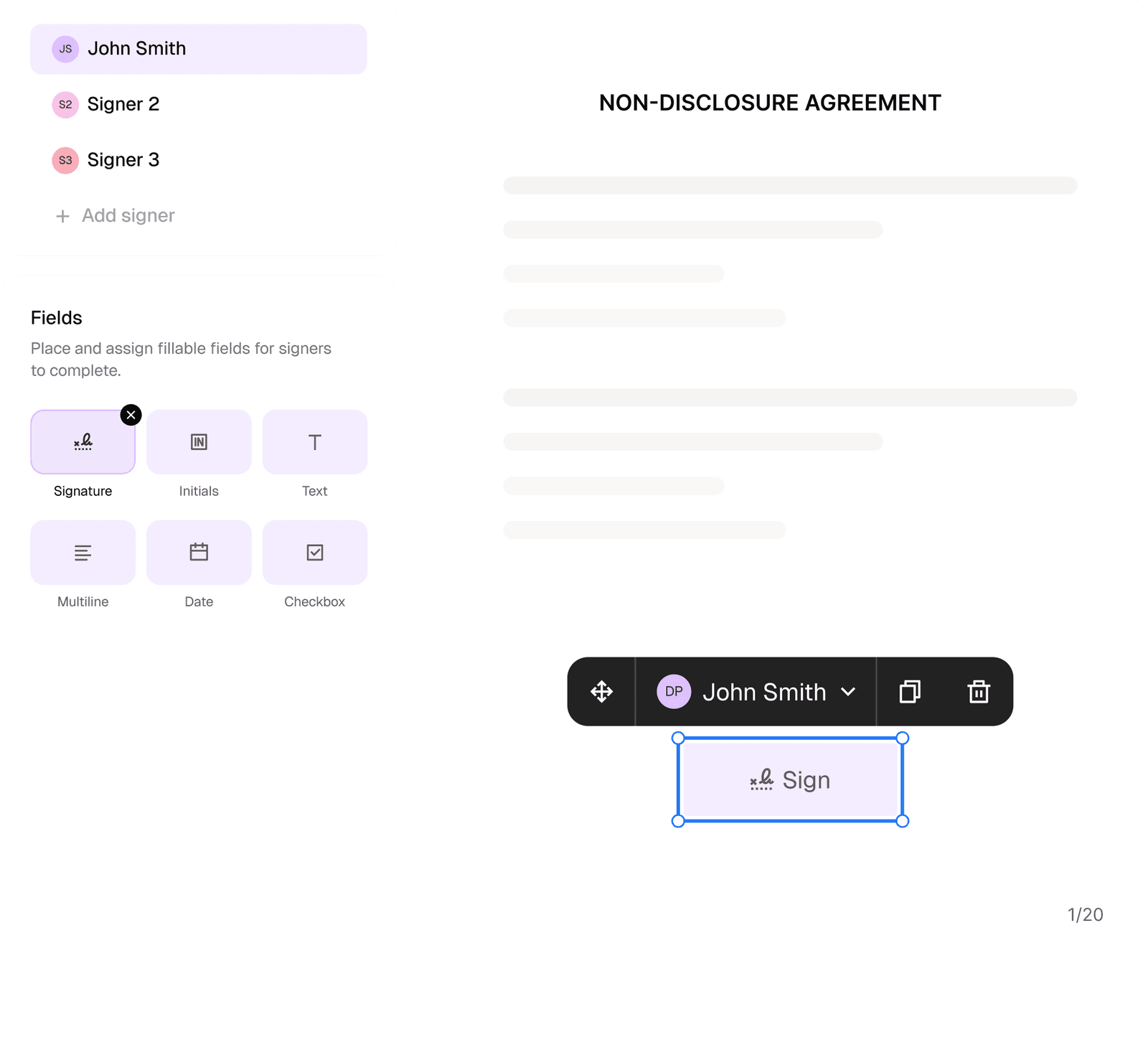
Sign documents and collect legally binding signatures. Invite up to ten people to sign in any order, track the progress, and send reminders.
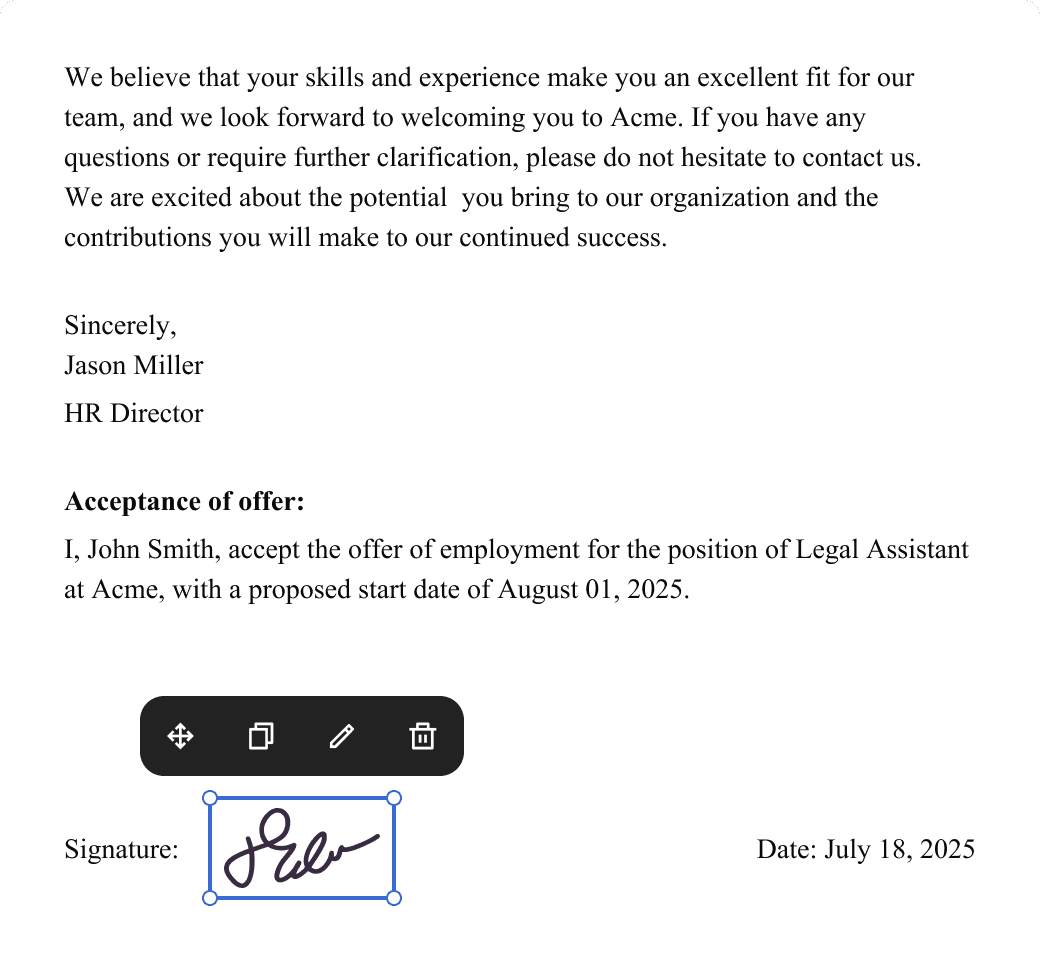
Request legally binding signatures
Invite up to ten people to sign your document in any order. Get a finalized, audit-ready copy without chasing signatures.
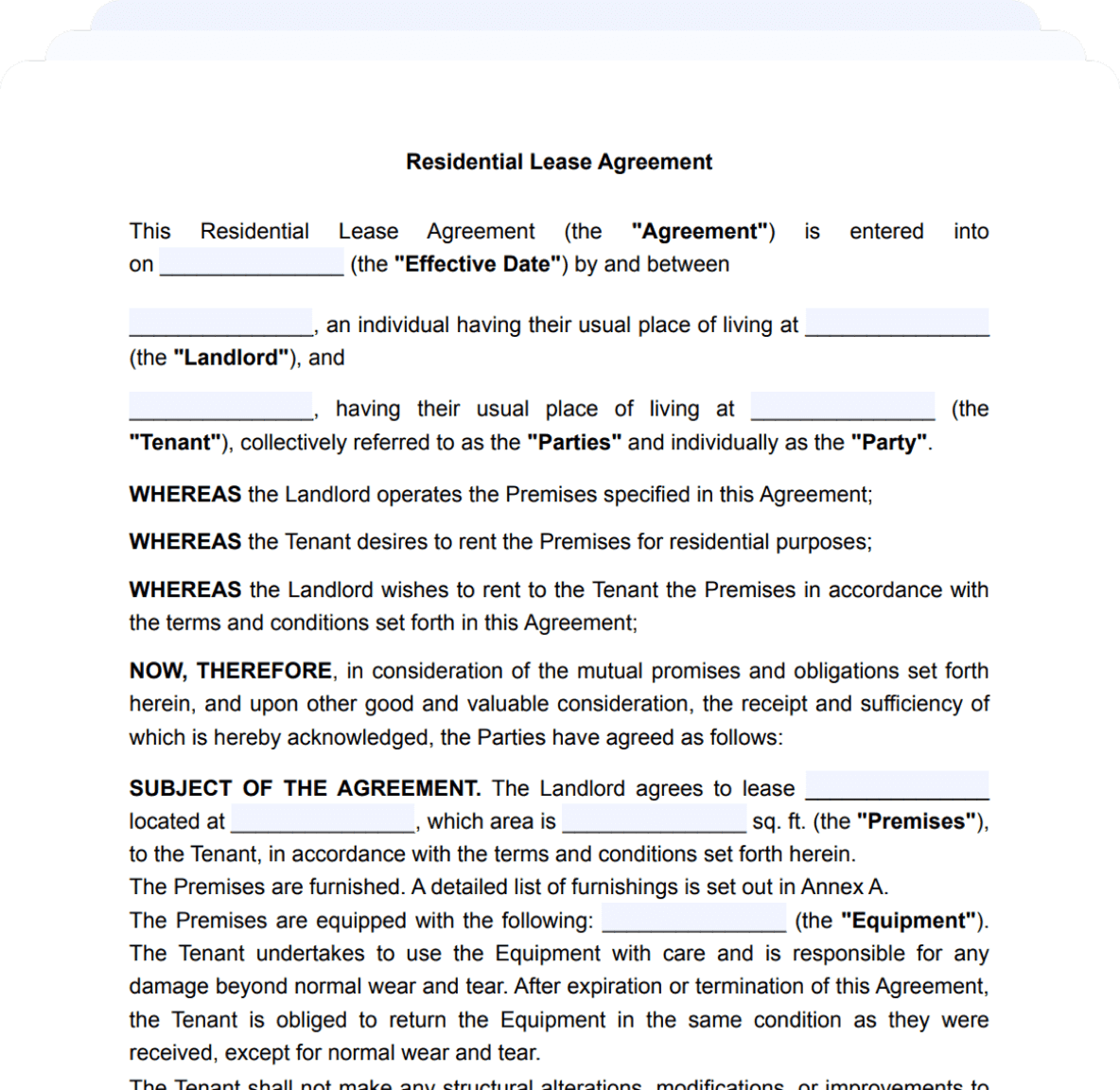
Skip the drafting.
Choose from 2,500+ templates
Browse templatesChoose a template
Fill in details
Sign and download