Updated July 24, 2026
5 min read
Do You Need a Counselor Recommendation Letter for College?

Do You Need a Counselor Recommendation Letter for College?
Content
When applying to college, many students focus on their grades, essays, and extracurriculars — but forget one key piece: the counselor's letter of recommendation.
This document, written by your school counselor, offers a big-picture view of your academic journey and character. It can highlight achievements, personal growth, and how you’ve contributed to your school community. But do all colleges actually require it? And how much does it really matter?
Let’s unpack everything you need to know!
Do Colleges Require Counselor Recommendations?
When you ask, “Do counselor recommendations matter?” the answer is obviously yes.
Most colleges and universities in the U.S. — especially selective ones — require at least one counselor recommendation letter as part of your application.
However, requirements vary:
- Highly selective schools (like Ivy League or top private universities) usually expect one counselor letter and one or two teacher letters.
- Public universities or community colleges may not require counselor recommendations at all.
- Scholarship programs or honors colleges might request additional letters highlighting leadership or service.
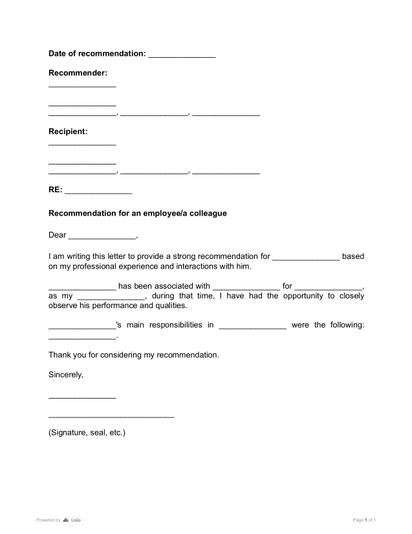
If your school counselor isn’t available, you can still share with another teacher a reference letter using the professional reference form.
Are Counselor Recommendations Required for Every Student?
Not necessarily. While most private institutions prefer at least one counselor recommendation, some colleges make it optional. Others allow you to substitute a counselor letter with a teacher recommendation or a educational intent letter if your school doesn’t assign dedicated counselors.
How to Ask Your Counselor for a Recommendation
1. Ask Early
Counselors often write dozens of letters each semester. Ask at least 4–6 weeks before your deadline so they have time to write thoughtfully.
2. Ask in Person (or Politely Over Email)
Start with a friendly and professional request. If you’re emailing, keep it short and clear.
3. Provide Helpful Materials
Make it easier for your counselor by sharing:
- Your resume or activity list;
- Academic achievements or awards;
- Personal statement draft or career goals;
- The deadline and submission link.
4. Follow Up and Say Thank You
Send a polite reminder a week before the deadline if necessary. Once your letter is submitted, always send a thank-you note.
What If My Counselor Can’t Write the Letter?
If your counselor doesn’t know you well, has a high caseload, or declines your request, don’t panic. You can:
- Ask another school administrator or teacher who knows your work well.
- Submit a personal or character reference letter.
- Explain in your application why a counselor letter isn’t available (many colleges understand and allow substitutions).
Final Thoughts
So, do you really need a counselor recommendation letter?
In most cases, yes — especially if you’re applying to competitive or private colleges. It’s your counselor’s chance to vouch for your character and context, and a strong one can make your application shine.
More guides
September 15
The Difference Between First, Second, and Third-Degree Murders
September 4
Living Will vs Last Will: What’s the Difference?

August 31
4 min read
Living Will vs Power of Attorney: Understand What You Need

September 13
11 min read
How to Hire a Nanny in 2026: The Full Legal Process Explained

July 21
7 min read
Common App Document Requirements: Complete Checklist

July 22
6 min read
How to Get Strong Letters of Recommendation for College

One home for your
agreements
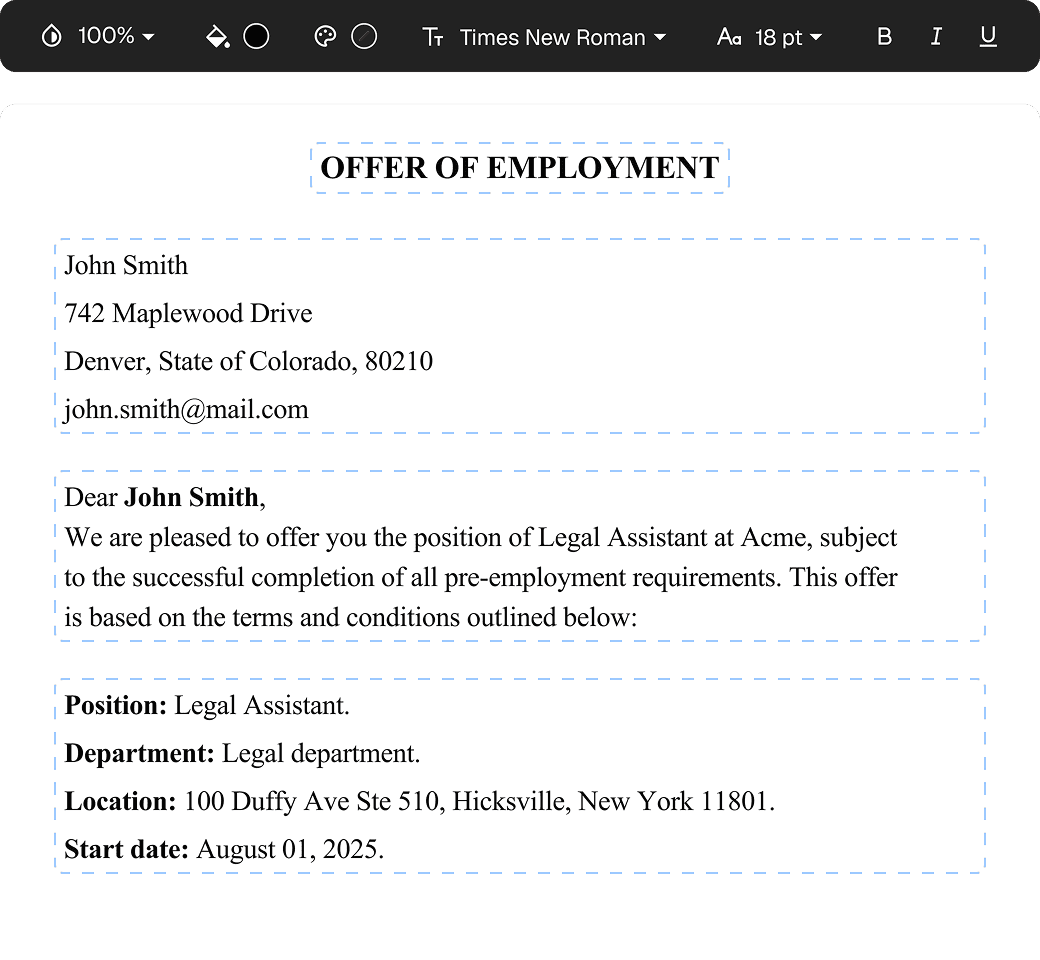
Edit PDFs seamlessly
Tweak agreements before signing or sending for signatures. Update details, add or remove clauses, adjust formatting, and redline changes instantly.
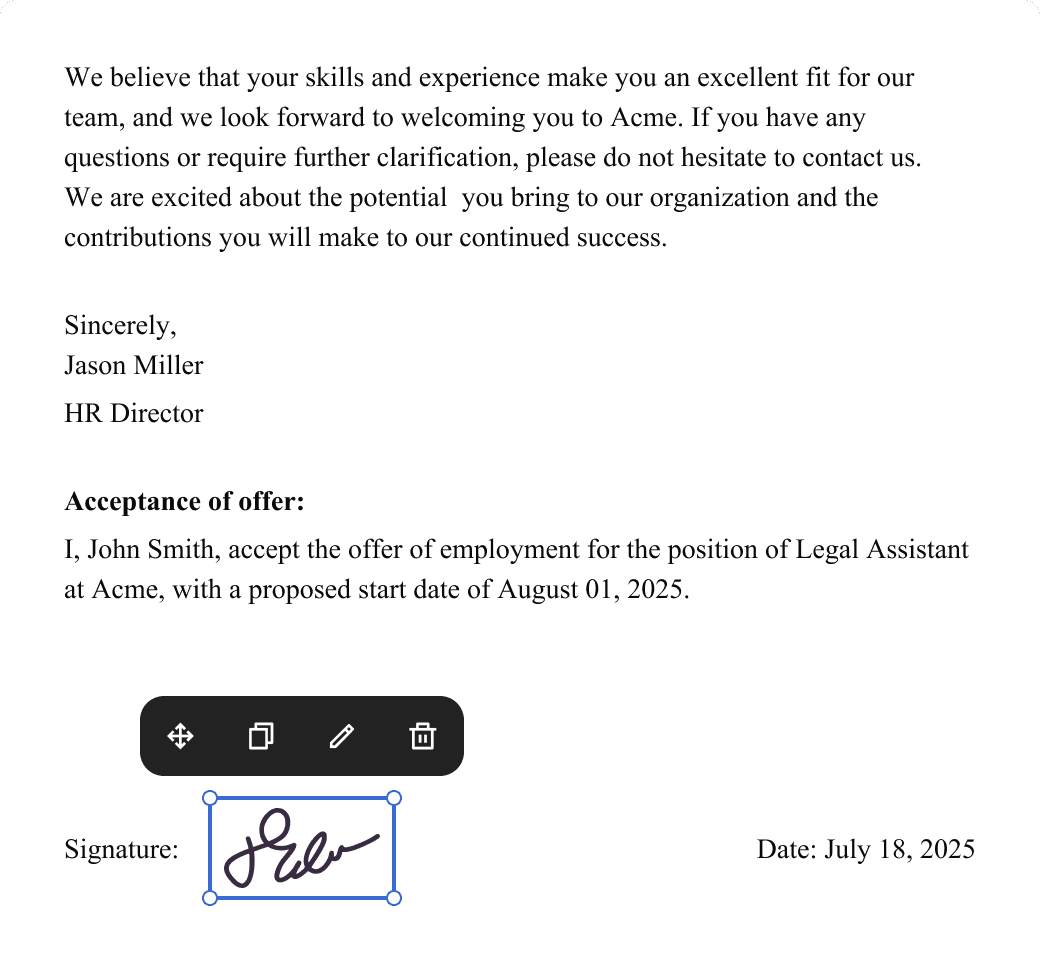
eSign legally and securely
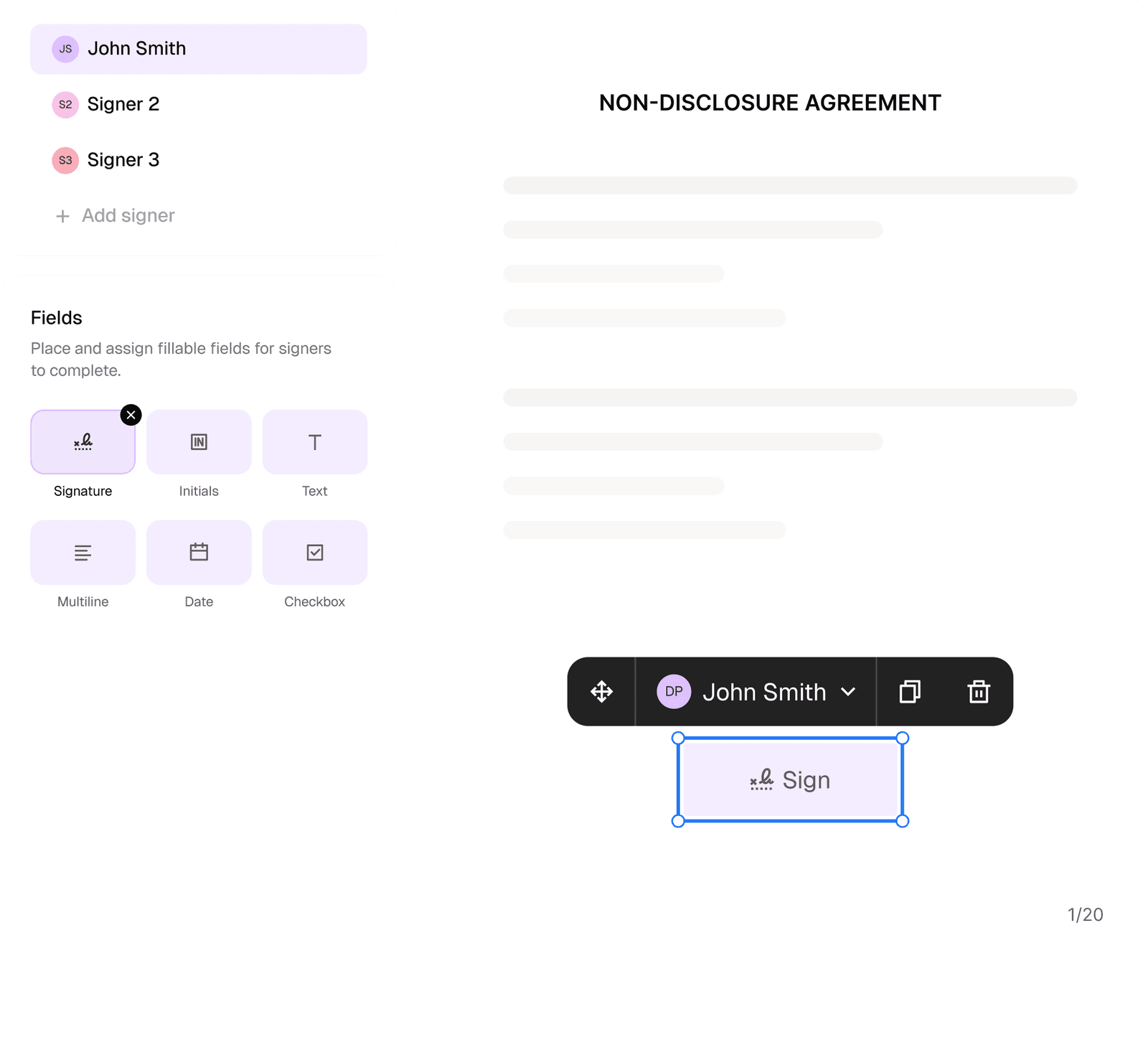
Sign documents and collect legally binding signatures. Invite up to ten people to sign in any order, track the progress, and send reminders.
Request legally binding signatures
Invite up to ten people to sign your document in any order. Get a finalized, audit-ready copy without chasing signatures.
Skip the drafting.
Choose from 2,500+ templates
Browse templatesChoose a template
Fill in details
Sign and download