Updated July 26, 2026
8 min read
How to Apply for Scholarships: Steps, Documents, and Tips

How to Apply for Scholarships: Steps, Documents, and Tips
Content
Are you a high school senior, a current college student, or someone returning to school?
So, you probably already know how much a scholarship can help – easing financial stress and opening doors to new opportunities. You just need to know where to look, how to prepare, and how to apply effectively. Let’s break it down step by step and show you how to stay organized at every stage of your scholarship application process.
How to Get a Scholarship
If you’ve been asking yourself, “How can I apply for a scholarship?” you first need to understand the application process.
Main steps:
Search early for matching scholarships;
Check eligibility and program requirements;
Prepare documents in advance;
Write a strong essay;
Submit on time;
Track results and stay persistent.
Keep reading – we’ll walk you through each of these steps in detail below.
1. Gather strong recommendation letters early
One of the most important parts of a scholarship application is a great recommendation letter. Committees want to hear from people who can speak to your achievements, character, and potential.
Ask teachers, professors, mentors, or coaches who know you well. Give them enough time and provide a clear idea of what the scholarship values.
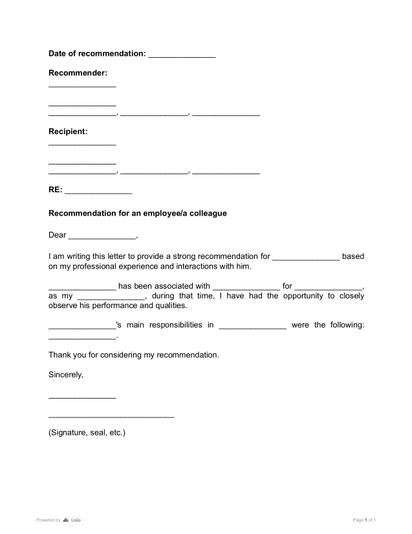
You can make the process easier by sharing Loio’s scholarship reference letter – it helps recommenders structure their letter clearly and professionally, ensuring your strengths are highlighted in the best possible way.
Request your letters early in the semester when teachers are less busy, and remind them politely before deadlines.
2. Start your search early
Scholarship deadlines come faster than you think. Starting months ahead gives you the best chance to find opportunities and craft thoughtful applications.
Mark deadlines in your calendar, and aim to finish each application for a scholarship at least a week early. Even if you’re unsure where you’ll attend college, apply for general scholarships based on your achievements, background, or interests.
3. Find scholarships that match you
There’s no one-size-fits-all scholarship. You’ll find awards for every type of student – academic achievers, athletes, community volunteers, artists, and more.
Here are a few common categories to consider:
- Merit-based: Focused on GPA, academic honors, or test scores.
- Need-based: Based on financial need (determined through FAFSA or similar forms).
- Community or service-oriented: For leadership or volunteer work.
- Identity-based: For women, minorities, first-generation students, or specific backgrounds.
- Field-specific: For students pursuing careers in STEM, arts, healthcare, or education.
Prioritize scholarships that align with your goals and experiences rather than applying to every one you find.
4. Prepare your documents in advance
Most scholarship committees ask for a similar set of materials – and being prepared saves you hours of stress later.
What to have ready:
- Transcripts (official or unofficial);
- Test scores (SAT, ACT, or others, if required);
- Recommendation letters;
- Personal essay or statement;
- Proof of enrollment;
- Financial evidence for need-based scholarships;
- Identification documents, such as an ID card or birth certificate – you can use an identity verification form if official proof is unavailable.
5. Write a compelling personal essay
Your essay is your story – it’s what turns an application into a real human connection.
In an essay:
Share genuine experiences, not generic statements.
Explain how challenges or passions shaped your goals.
Keep it simple, direct, and positive.
You can take some powerful phrases for inspiration:
- “This experience taught me the importance of…”
- “Through this challenge, I discovered my passion for…”
- “I hope to use my education to contribute to…”
- “My long-term goal is to make a positive impact by…”
- “What motivates me most is the opportunity to…”
- “Receiving this scholarship would allow me to focus on…”
- “I believe my background has prepared me to…”
6. Double-check before applying
Before spending time on an application, make sure you meet all eligibility criteria – from GPA and field of study to age or residency. Different programs have unique scholarships and requirements, so review them carefully.
7. Submit on time – and professionally
Late applications almost never get reviewed, so aim to submit a few days early. When you apply for a scholarship, confirm that:
- All forms are filled in completely.
- Files are correctly named and formatted.
- You’ve attached every required document.
8. Keep track and follow up
Once you start applying, it’s easy to lose track of deadlines and results. Maintain a simple tracker that includes:
Scholarship name
Application date
Notification date
Status (submitted, pending, awarded)
If a scholarship committee provides a contact email, it’s fine to politely follow up after the stated decision date.
9. Apply for multiple scholarships
Don’t rely on just one. Applying for several scholarships – both national and local – increases your chances of winning. Smaller community awards might not seem significant, but they add up quickly and are often less competitive.
Some scholarships are renewable, meaning you can receive them again next year. Be sure to check eligibility for renewal conditions such as maintaining a GPA or completing certain credit hours.
10. Stay persistent and keep learning
Even if you don’t win the first time, each application helps you improve. Learn from feedback, refine your essays, and apply again next semester or academic year.
Persistence is what turns effort into results – and the skills you gain through this process will serve you long after graduation.
More guides
September 15
The Difference Between First, Second, and Third-Degree Murders
September 4
Living Will vs Last Will: What’s the Difference?

August 31
4 min read
Living Will vs Power of Attorney: Understand What You Need

September 13
11 min read
How to Hire a Nanny in 2026: The Full Legal Process Explained

July 24
5 min read
Do You Need a Counselor Recommendation Letter for College?

July 21
7 min read
Common App Document Requirements: Complete Checklist

One home for your
agreements
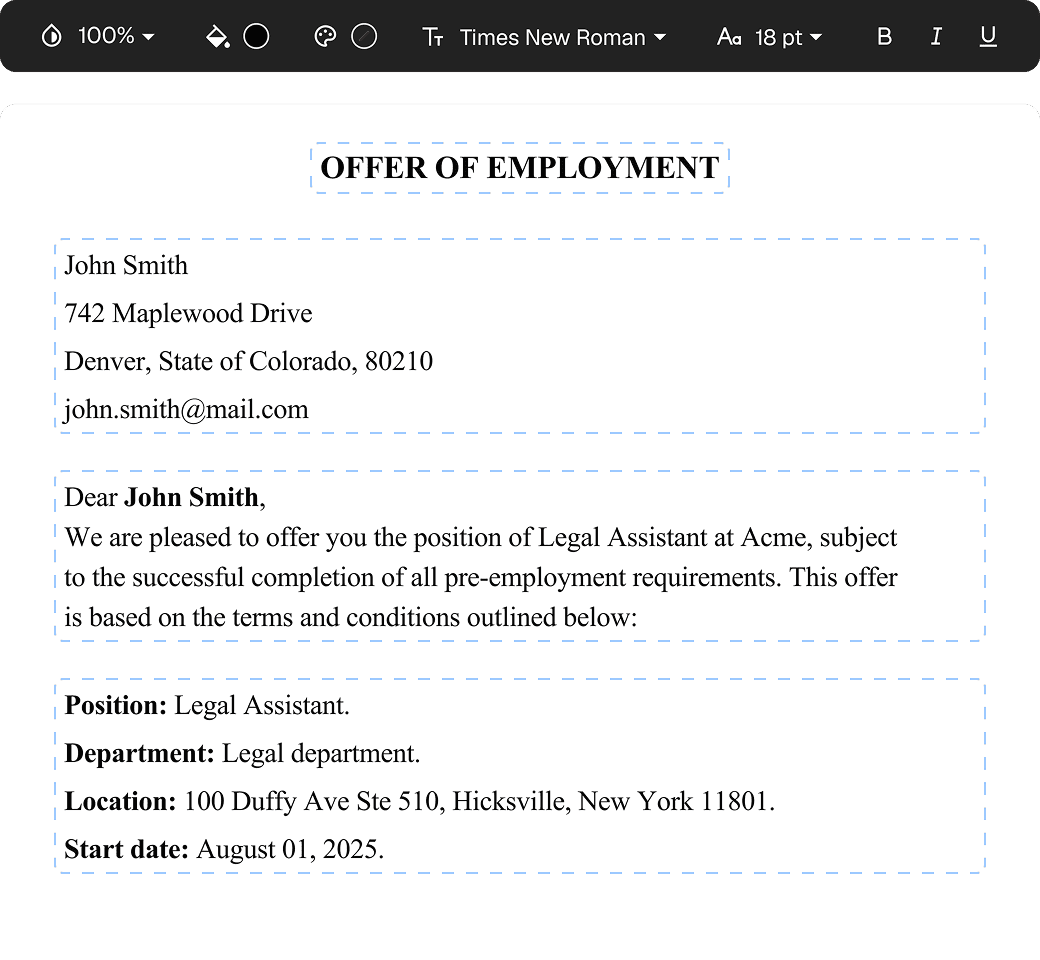
Edit PDFs seamlessly
Tweak agreements before signing or sending for signatures. Update details, add or remove clauses, adjust formatting, and redline changes instantly.
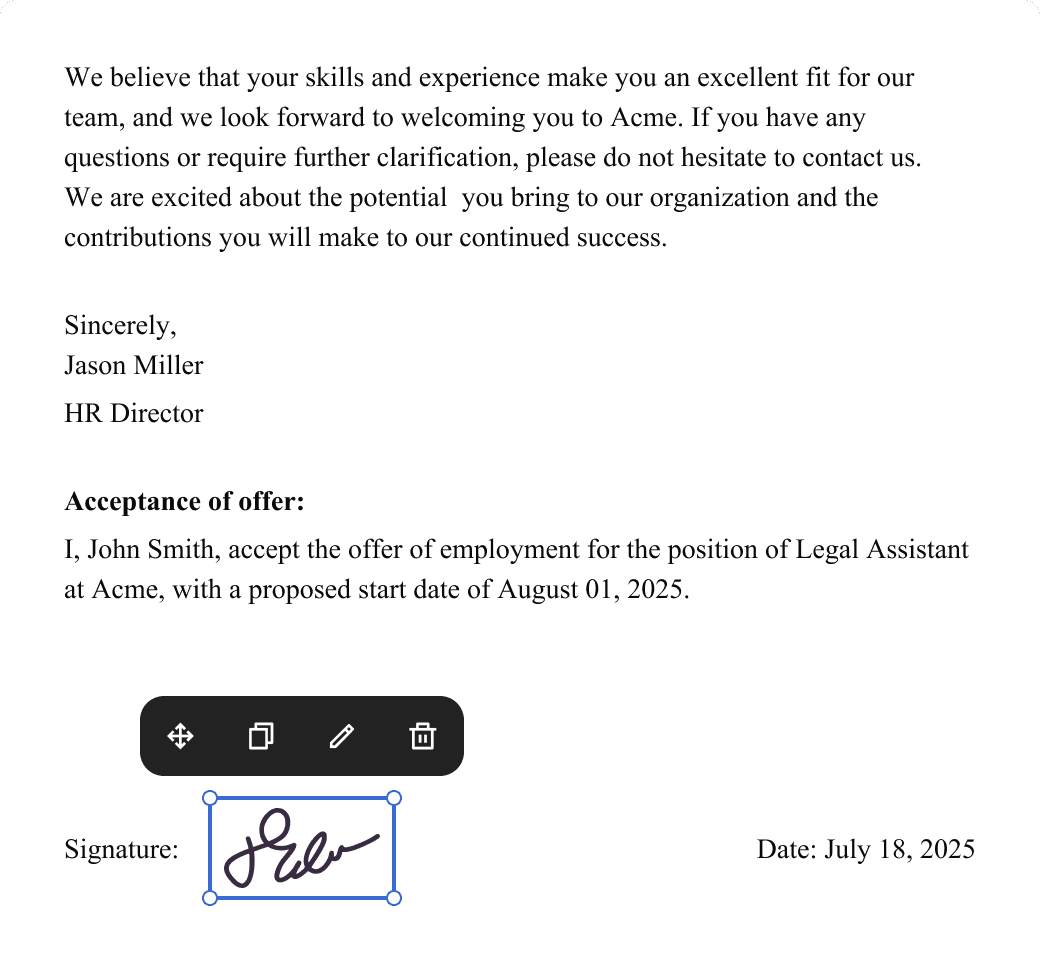
eSign legally and securely
Sign documents and collect legally binding signatures. Invite up to ten people to sign in any order, track the progress, and send reminders.
Request legally binding signatures
Invite up to ten people to sign your document in any order. Get a finalized, audit-ready copy without chasing signatures.
Skip the drafting.
Choose from 2,500+ templates
Browse templatesChoose a template
Fill in details
Sign and download