Updated July 21, 2026
7 min read
How to Handle a Negative Letter of Recommendation
How to Handle a Negative Letter of Recommendation
Content
A letter of recommendation can make or break your academic application – whether it’s for graduate school, a scholarship, or a research program. So when you find out one of your professors may have written a negative recommendation letter, it’s natural to panic.
But here’s the truth: one critical letter doesn’t define you. Admissions committees review your application as a whole, and you have the power to address or balance out a weak reference with professionalism and strategy.
This guide walks you through what to do – from identifying the problem to repairing your academic record and preventing it from happening again.
How to Recognize a Negative or “Neutral” Letter
Academic recommendation letters carry subtle weight. A professor doesn’t need to say something harsh to hurt your chances. Often, it’s what’s not said that matters.
Watch for signs like:
- Lack of enthusiasm – “She completed the required coursework.”
- Generic praise – “He was a student in my class and performed adequately.”
- No personal anecdotes or examples – which may imply disinterest.
- Omitted strengths – no mention of teamwork, leadership, or research ability.
- Explicit criticism – “She struggled to meet deadlines” or “He was inconsistent in attendance.”
A short, bland letter can do more damage than an honest but supportive one.
What to Do if You Got a Bad Recommendation Letter?
1. Stay calm and evaluate
First, pause before reacting. You might feel embarrassed or angry, but rash action (like confronting the professor in frustration) can make things worse.
Ask yourself:
- What is a bad letter of recommendation? Is the letter truly negative, or just lacking strong praise?
- Could this professor have misunderstood something about your performance?
- Are there stronger advocates who can balance this out with positive letters?
Take time to assess before deciding your next move.
2. Know your rights under FERPA
In U.S. schools, your right to access recommendation letters depends on whether you waived FERPA access during your application.
- If you waived your right: The letter is confidential. You usually cannot see it, and institutions aren’t obligated to share it.
- If you didn’t waive your right: Once admitted and enrolled, you have the right to request and view the letter as part of your student record.
You can contact your school’s admissions or registrar’s office to ask about the process.
When writing to request access, keep the tone polite:
Dear Admissions Officer,
I’m writing to request access to a letter of recommendation submitted on my behalf by [Professor’s Name], as permitted under FERPA, since I did not waive my right to review it.
Thank you for your assistance,
[Your Name]
Even if you waived access, you can still ask your professor for feedback about what they wrote – though they don’t have to share.
3. Communicate with the professor
If you’ve confirmed or strongly suspect the letter was negative, reach out respectfully. Many issues arise from misunderstandings, not malice.
Here’s how to approach it:
- Ask for feedback after the bad letter of recommendation, not explanations.
- Avoid confrontation. Keep the tone professional and calm.
- Focus on growth.
If the conversation confirms the letter was intentionally critical, remain polite and move on. You can always replace that recommendation in the future.
4. Mitigate the damage
When your application is still in process, there are ways to offset a weak letter:
- Submit an additional letter of recommendation. Most graduate schools accept one more letter if you explain that you’d like to provide a fuller picture of your academic work. Choose a professor who knows your research, thesis, or leadership in class discussions.
- Address it proactively (if appropriate). Address it proactively (if appropriate). In your personal statement, you can acknowledge past challenges – and show how you’ve improved.
Another excellent place to do this is in your graduate letter of intent. This document gives you the chance to reframe your story in your own words. - Provide evidence of growth. Updated transcripts, awards, or a letter from a new academic advisor can quickly outweigh an old, critical note.
5. Reflect and learn
A disappointing letter can reveal blind spots. Ask yourself:
- Did I give my professor enough context to write about my strengths?
- Did we have a positive working relationship?
- Could my communication or reliability have affected their impression?
Sometimes, professors write weak letters because they don’t know you well or weren’t given details to highlight your academic value. Use this as a lesson to build stronger academic connections moving forward.
Final Thoughts
A negative academic recommendation letter feels personal, but it’s often just one perspective in a long academic path. What matters is how you respond: calmly, professionally, and strategically.
Remember: you are more than one paragraph in someone else’s letter. Handle it with grace, keep improving, and let your next recommendation tell the story of how far you’ve come.
More guides
September 15
The Difference Between First, Second, and Third-Degree Murders
September 4
Living Will vs Last Will: What’s the Difference?
August 31
4 min read
Living Will vs Power of Attorney: Understand What You Need
September 13
11 min read
How to Hire a Nanny in 2026: The Full Legal Process Explained
July 24
5 min read
Do You Need a Counselor Recommendation Letter for College?
July 21
7 min read
Common App Document Requirements: Complete Checklist
One home for your
agreements
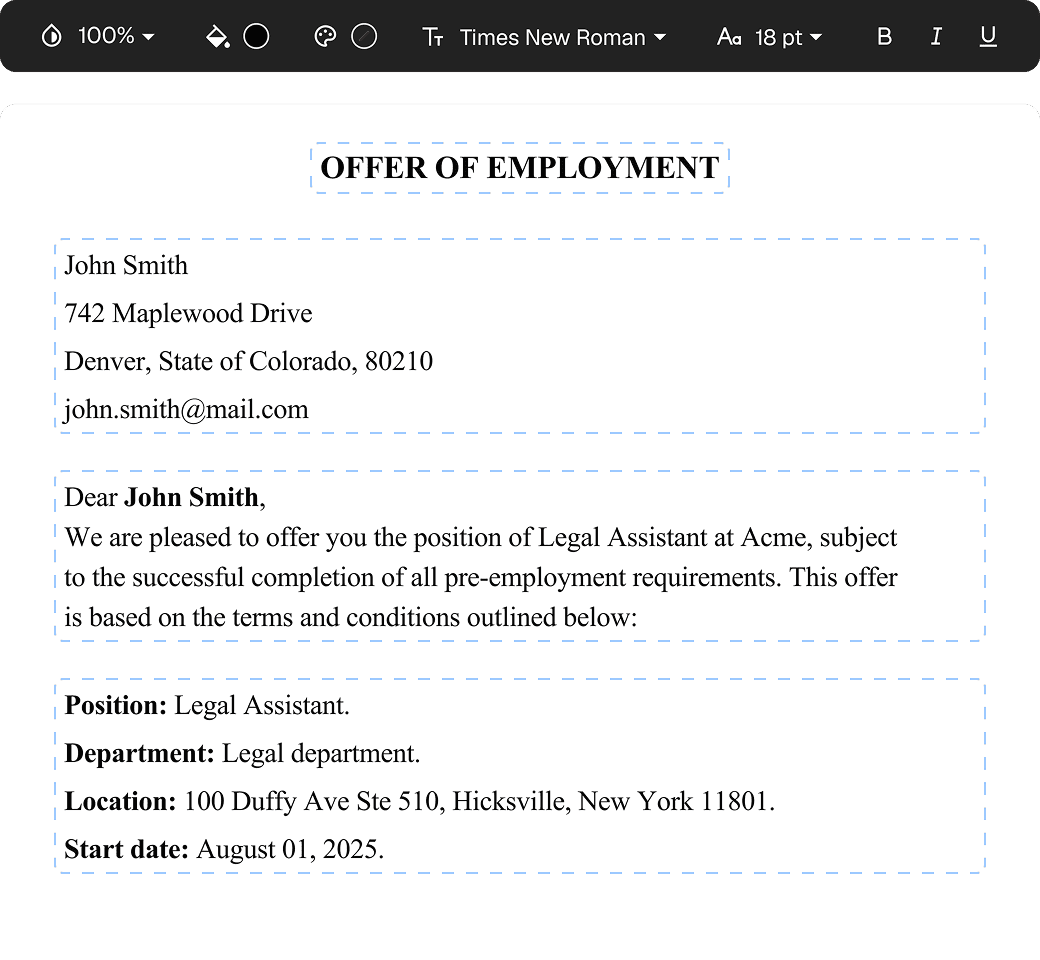
Edit PDFs seamlessly
Tweak agreements before signing or sending for signatures. Update details, add or remove clauses, adjust formatting, and redline changes instantly.
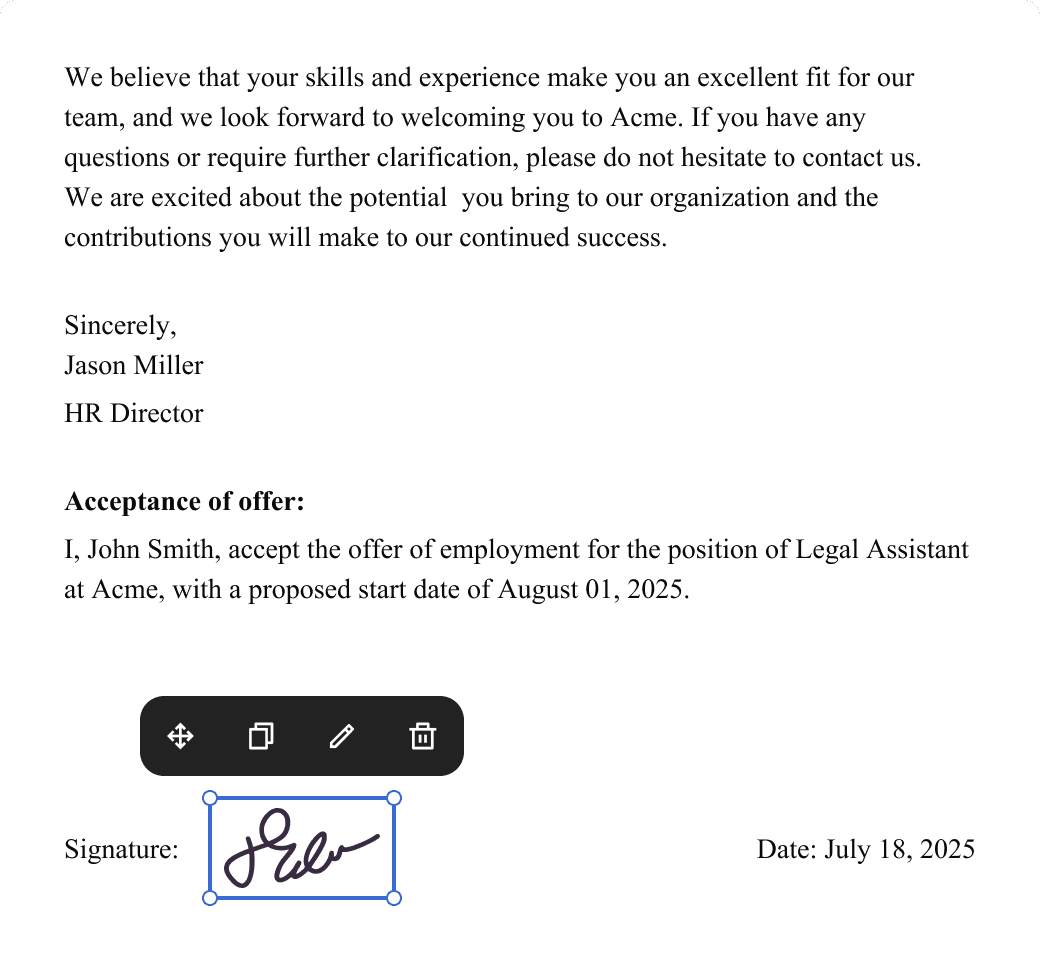
eSign legally and securely
Sign documents and collect legally binding signatures. Invite up to ten people to sign in any order, track the progress, and send reminders.
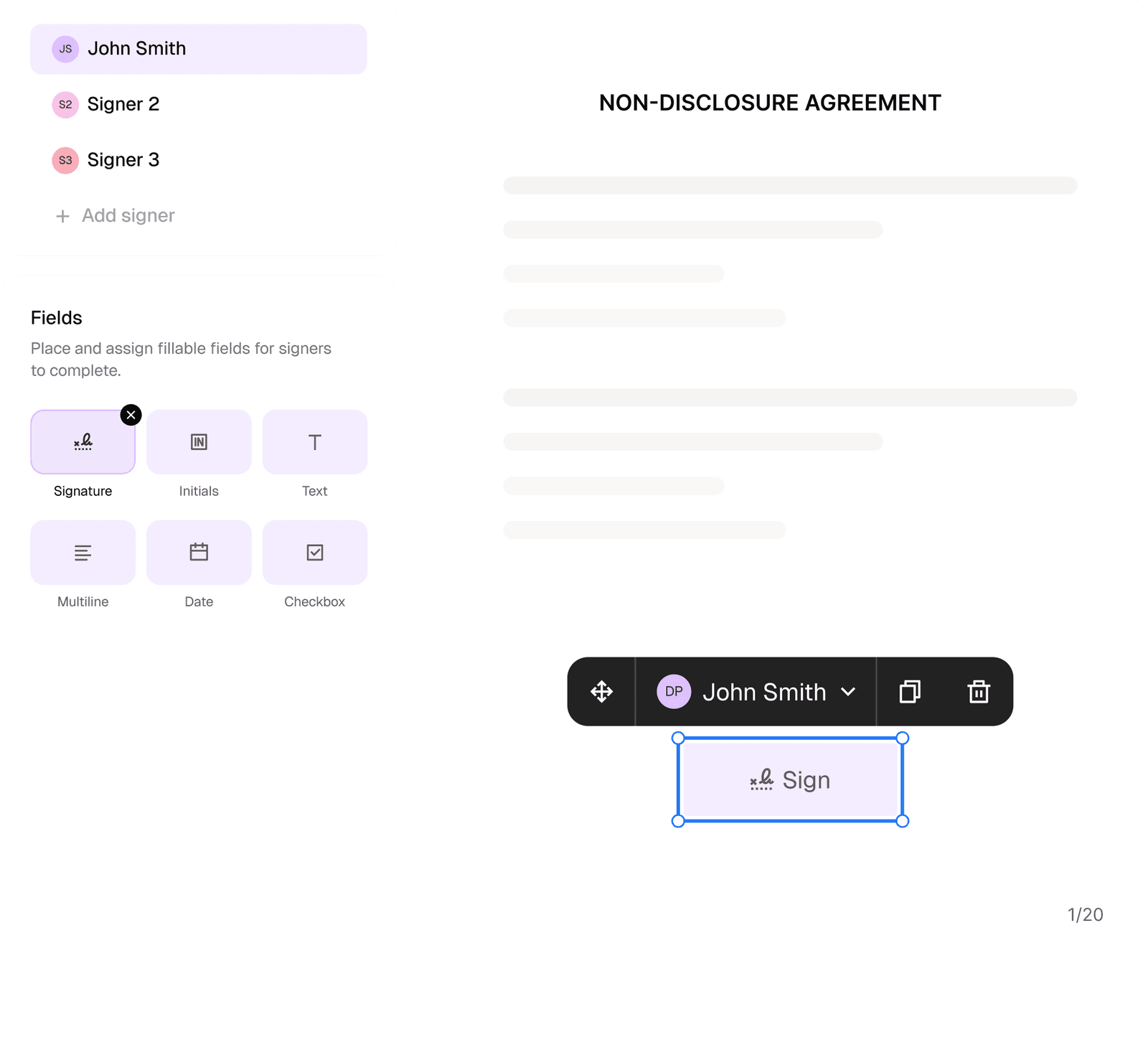
Request legally binding signatures
Invite up to ten people to sign your document in any order. Get a finalized, audit-ready copy without chasing signatures.
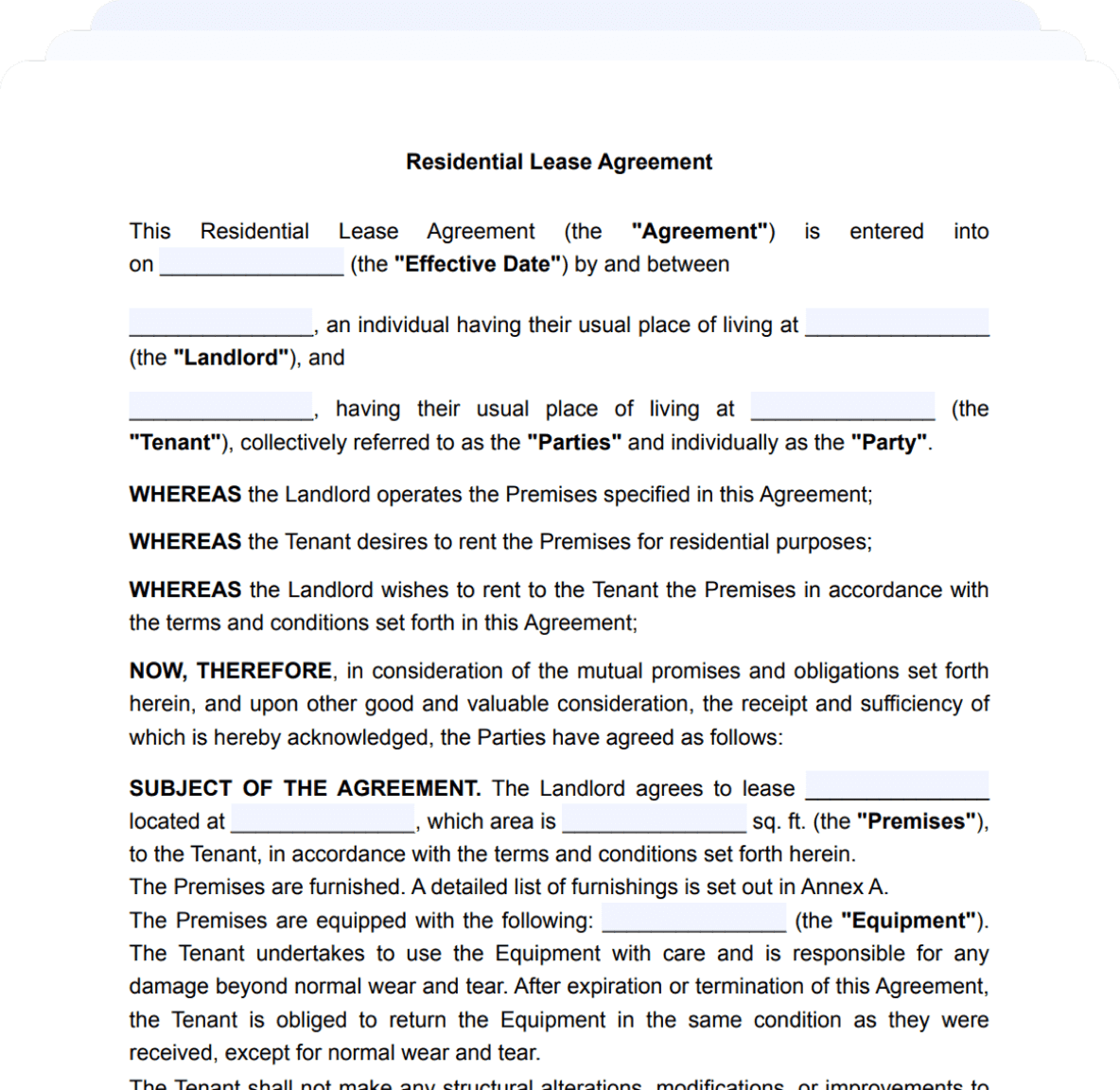
Skip the drafting.
Choose from 2,500+ templates
Browse templatesChoose a template
Fill in details
Sign and download