Updated September 4, 2026
6 min read
How Much Does Assisted Living Cost in the U.S.?

How Much Does Assisted Living Cost in the U.S.?
Content
Sooner or later, most people come to a point when they cannot take care of themselves fully anymore. Some of them have relatives or friends to help, while others search for alternative options. If you search for long-term care, one of the available choices is assisted living.
What Is Assisted Living and Who Opts for It?
Assisted living is a care service for older adults who need help with daily activities but do not require constant medical supervision. These are communities where seniors live independently, while nurses and caretakers complete certain routine tasks, such as cooking, cleaning, and performing certain medical procedures.
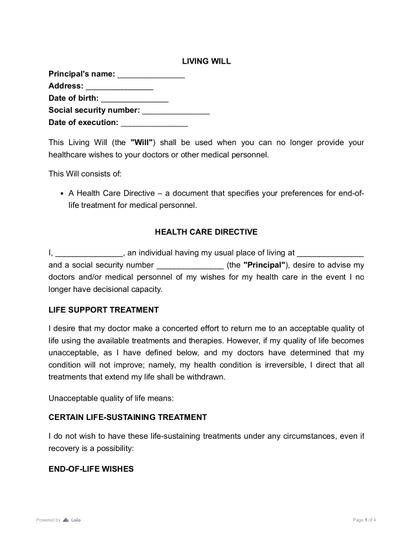
If a person has already made their choice, the best way to ensure everything goes as planned is to make it a part of the living will. The document should mention the name of the facility, its location, and who and how will pay, along with the preferences for future medical treatment. It’s also worth understanding what medical conditions require a living will to know when such planning becomes especially important.
Individuals with complicated health conditions should also prepare a medical representative agreement and assign a person who will make health-related decisions for them.
Who usually chooses assisted living?
Senior people with disabilities, mobility challenges, or chronic health conditions.
Individuals who experience memory decline or dementia at an early stage.
Older adults who do not feel safe living alone at home.
People recovering from surgery who need temporary assistance.
All of them decide to move into a senior care facility for different reasons. Some, because families cannot provide proper support to them. Others plan it beforehand because they do not have close relatives.
What Do Assisted Living Costs Include?
Senior care facilities presuppose a month-by-month payment that covers such expenses:
- Private or semi-private living accommodations;
- Meals;
- Housekeeping and laundry services;
- Personal care assistance (e.g., bathing, dressing, grooming);
- Medications;
- 24/7 staff availability for emergencies;
- Transportation for appointments and errands;
- Social and entertaining activities;
- Security and safety measures.
If a person wants additional services, from yoga training to physical therapy, they must pay additionally.
How Much Does Assisted Living Cost in the US?
According to the recent Genworth Cost of Care Survey, the national average cost of assisted living in 2024 was $5,900. Just to compare, it was $5,350 in 2023 and $5,278 in 2022. In such a way, the steady annual increase is around 10%. It is triggered by inflation, rising labor costs, and other growing expenditures.
Most and least expensive states for assisted living
The price for long-term care facilities in some states is significantly more expensive than in others. Currently, the highest assisted living cost per month is in:
- Washington, D.C. – $6,978;
- Massachusetts – $6,819;
- Alaska – $6,830;
- New Jersey – $6,495;
- Connecticut – $5,948.
At the same time, there are more affordable variants for those who live in:
- Missouri – $3,000;
- Mississippi – $3,500;
- Alabama – $3,503;
- Georgia – $3,535;
- South Dakota – $3,537.
As the gap in prices is huge, it’s quite common that senior people choose facilities in other, more affordable states and move there.
What impacts the assisted living cost?
Why is the difference so big? Why should a person in Alaska pay twice as much as a Missouri resident? There are several reasons for that:
- Location
As with most other services, elderly care in big cities is much more expensive than in small ones. Salaries, rent, and even prices for food are higher there. - Level of care
The more help a resident needs with daily activities, the more they should pay. So, the costs of assisted living for an elderly person with no chronic diseases or disabilities and one with progressing dementia will differ tremendously. - Facility type
High-end communities that provide luxury services, naturally, charge premium fees. Spending the last years of one’s life at the ocean shore with dinners from the best restaurants costs a lot. - Room
Most communities offer two options for living: a private unit, which can be a separate room, apartment, or house, or a shared room that is much cheaper. - Duration
Assisted living facilities may offer discounts for those residents who stay for a long time. - Specialized services
Physical therapy, diabetic care, or dementia programs are usually not covered by the standard plan and require additional payment.
How Can You Pay for Assisted Living?
Money is always a major concern for families when it comes to long-term care. No one can be sure they will have the opportunity to cover all the expenses for a long period. Still, if you consider assisted living for yourself or your relative, here are several ways to pay:
Out-of-pocket
This is the most common situation when elderly people or their kids pay either from their savings or the retirement income if it is high enough. In some cases, the only way to find the money is to real estate purchase contract or borrow against home equity.Long-term care insurance
Depending on the type of insurance you choose, some may cover part or all of assisted living costs. Still, the other part will have to be from your savings.Veteran programs
VA Aid and Attendance can pay for your long-term care facilities if your application is approved. However, this opportunity is mostly available to people who do not have families.Governmental programs
In certain states, like California, Florida, and New York, Medicaid can cover some of the assisted living services, but eligibility requirements for those who apply are very strict and differ in every county.
So, the answer to the question “How much does assisted living cost per month?” differs greatly depending on where you live and what services you need. However, be ready to pay around $3,500-4,500 per month if you live in a smaller city, and $5,000 if you are a resident of a metropolis. This sum can change depending on the health conditions you may develop over time. Nevertheless, planning your senior years and documenting it is one of the most important things you can do for yourself at any age.
More guides
September 15
The Difference Between First, Second, and Third-Degree Murders
September 4
Living Will vs Last Will: What’s the Difference?

August 31
4 min read
Living Will vs Power of Attorney: Understand What You Need

September 13
11 min read
How to Hire a Nanny in 2026: The Full Legal Process Explained

July 24
5 min read
Do You Need a Counselor Recommendation Letter for College?

July 21
7 min read
Common App Document Requirements: Complete Checklist

One home for your
agreements
Edit PDFs seamlessly
Tweak agreements before signing or sending for signatures. Update details, add or remove clauses, adjust formatting, and redline changes instantly.
eSign legally and securely
Sign documents and collect legally binding signatures. Invite up to ten people to sign in any order, track the progress, and send reminders.
Request legally binding signatures
Invite up to ten people to sign your document in any order. Get a finalized, audit-ready copy without chasing signatures.
Skip the drafting.
Choose from 2,500+ templates
Browse templatesChoose a template
Fill in details

Sign and download