Updated July 25, 2026
10 min read
Tenants in Common: Pros, Cons, Ownership Rights, and Inheritance
Tenants in Common: Pros, Cons, Ownership Rights, and Inheritance
Content
You may be aware of myriad options for taking ownership of real estate property, each offering a distinct structure with varying ownership rights. It is crucial to understand the implications prior to making a selection, as there can be legal and tax consequences. The consequences can be difficult or impossible to unwind easily or change afterward. Explore the pros and cons of tenants in common, how to pass your share in the event of your death, and how to find the right lawyer to advise you.
What Is Tenancy in Common
There are many ways for married couples or individuals to own real estate property. Different methods of ownership carry specific rules about the division of each owner's interest and the succession of that share at death. It is important to seek competent legal counsel prior to acquiring title to a real estate interest, as it can have far-reaching and irrevocable legal and tax ramifications.
One of the methods of real estate property ownership is tenants in common (also known as TIC), which allows two (or more) people to co-own property. A notable feature of tenants in common is that the co-ownership can be made up of equal or unequal shares.
The Rights To the Property of Tenants in Common
In a shared ownership agreement, every owner is given the right to access the property. They also have the entitlement to use the place. It's important to note, however, that these rights are provided regardless of the size of their specific ownership share.
Top three reasons to select tenants in common
- 1
Ease of ownership: This method may make it possible for real estate to be acquired by multiple owners who cannot afford it alone.
- 2
Flexible duration: The number of owners can change over time. For example, newlyweds may purchase a property with their parents on the title initially, then elect to go on their own when they can afford the mortgage and property taxes.
- 3
Flexible share: Various owners may own different portions of the property; an allotment of equal shares is not required.
Top three reasons tenants in common may not be for you
- 1
All owners are presumed to be equally responsible for the mortgage, property taxes, maintenance, repairs, and all other costs associated with home ownership.
- 2
Any of the owners may force the sale of the property. A mutual agreement or a majority vote is not required.
- 3
If a co-owner passes away, you do not inherit the deceased owner's share as a matter of law.
How To Ensure Proper Inheritance
It is important to create a comprehensive estate plan, such as a trust, will, and power of attorney. If you intend to co-own property with other owners, setting up an estate plan may be even more vital. Consult an estate planning attorney in your area to get a detailed plan that will ensure the proper transition of your assets in case of death.
Why Ensure Co-Owners Have Estate Plan
If a co-owner passes away, the deceased owner's interest in the property will be allocated to their beneficiaries, not the surviving co-owners. Therefore, for example, you may be forced to manage and co-own this asset with the deceased individual's surviving spouse or children.
It is important to discuss this potential eventuality with your co-owners prior to acquisition. Another essential step is to designate a succession plan to keep things running smoothly and protect your interest going forward.
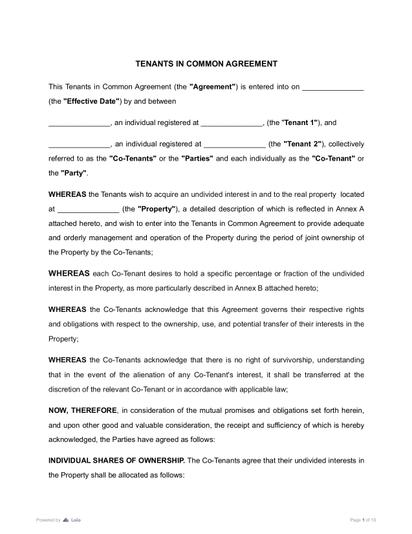
Get yourself a TIC co-ownership agreement, and check out the best practices collected by top-rated attorneys.
What if I don't specify the type of ownership when acquiring a real estate holding?
In some states, it may be presumed that your ownership is tenants in common unless it has been outlined in writing. Consider seeking competent legal advice to select the right method of holding a title.
How To Choose the Right Attorney
Providing specific directions about taking the title when purchasing a new home or investment property is the dispensation of legal advice. For that reason, you may find that your realtor, lender, or escrow and title agent is not able to tell you which approach is the most suitable. Most attorneys practice in narrow, specialized areas, so understanding what you're looking for can help.
While a recommendation from a friend, co-worker, or family member is an ideal way to find the right expert, this isn't always possible. As you consider options for legal counsel, keep an eye out for the following attributes:
- 1
Relevant knowledge and experience. Make sure that real estate law is a primary pillar of the attorney's practice. Consult your state's Bar Association to check on an attorney's education and confirm that they are in good standing.
- 2
Consistent and effective communication. Look for a law firm that is responsive and client-oriented, with lawyers who use layperson's terms to explain complex concepts.
- 3
Professionalism. Having your best interests at heart and managing client interactions with respect is a key indication that you are in good hands.
Knowledge is power. So, arm yourself with the right information before signing on the dotted line.
FAQ
More guides
September 1
7 min read
How to Provide Proof of Employment: Documents and Steps

September 9
Booth Rent vs. Commission: Earn More and Worry Less

September 8
14 min read
Equipment Leasing Guide: How It Works and How to Save Money in 2026
July 26
10 min read
Commercial Real Estate Leasing Process: 2026 Guide

July 20
12 min read
How to Sublease Your Office Space: 5 Steps to Protect Your Business

July 25
12 min read
How to Register a Company in the US: What No One Tells You in 2026

One home for your
agreements
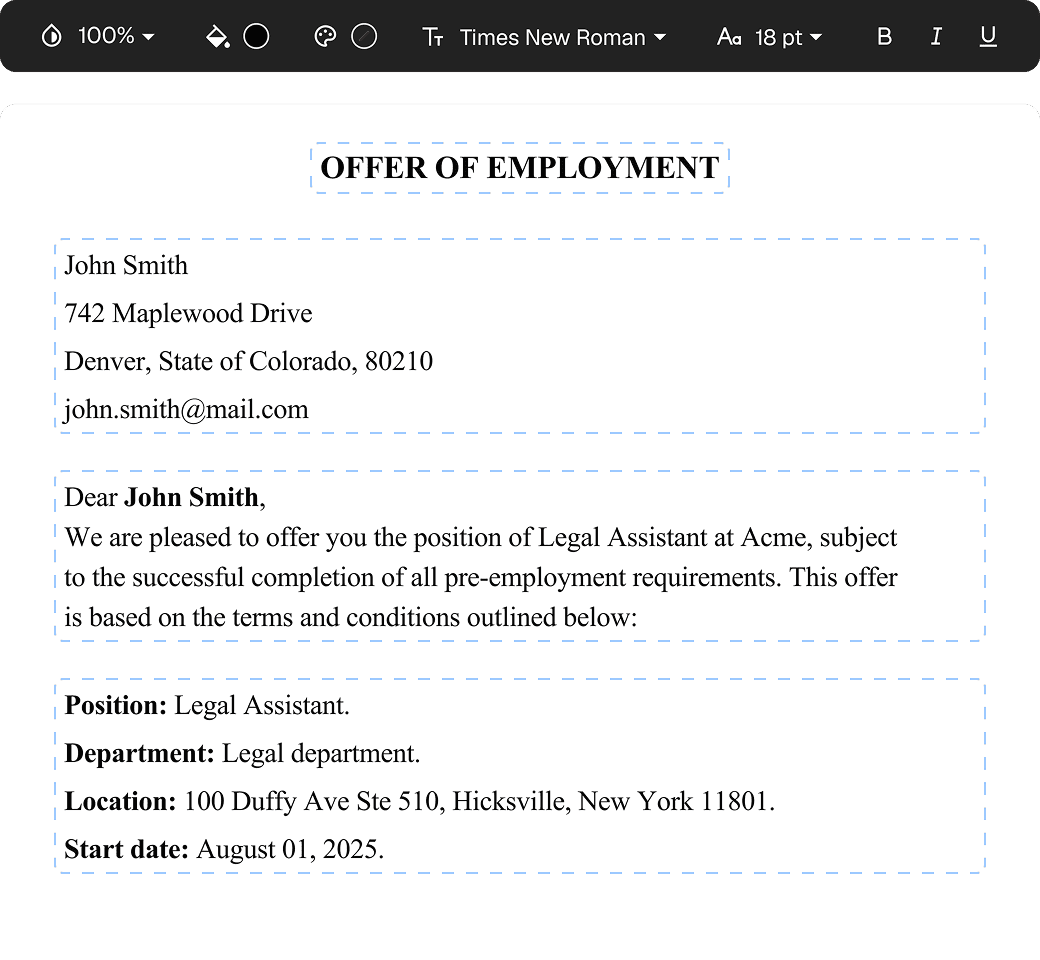
Edit PDFs seamlessly
Tweak agreements before signing or sending for signatures. Update details, add or remove clauses, adjust formatting, and redline changes instantly.
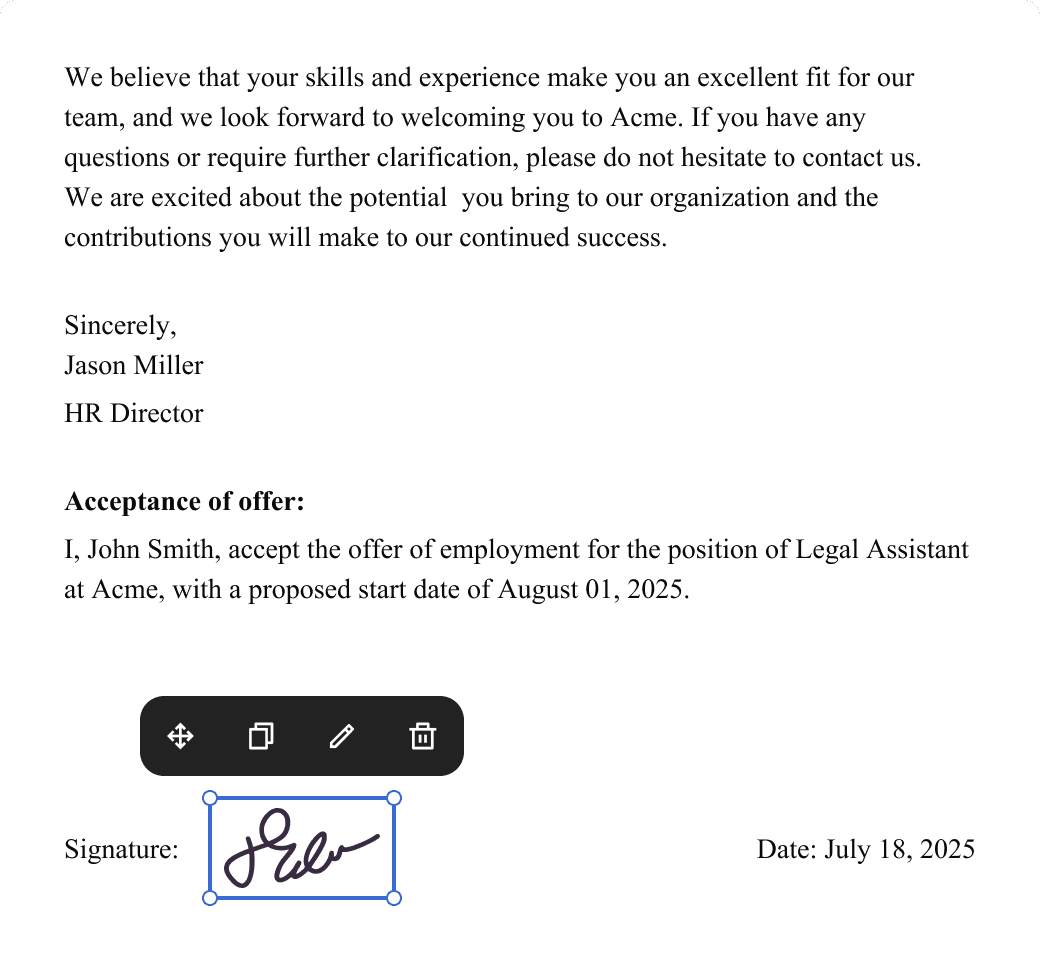
eSign legally and securely
Sign documents and collect legally binding signatures. Invite up to ten people to sign in any order, track the progress, and send reminders.
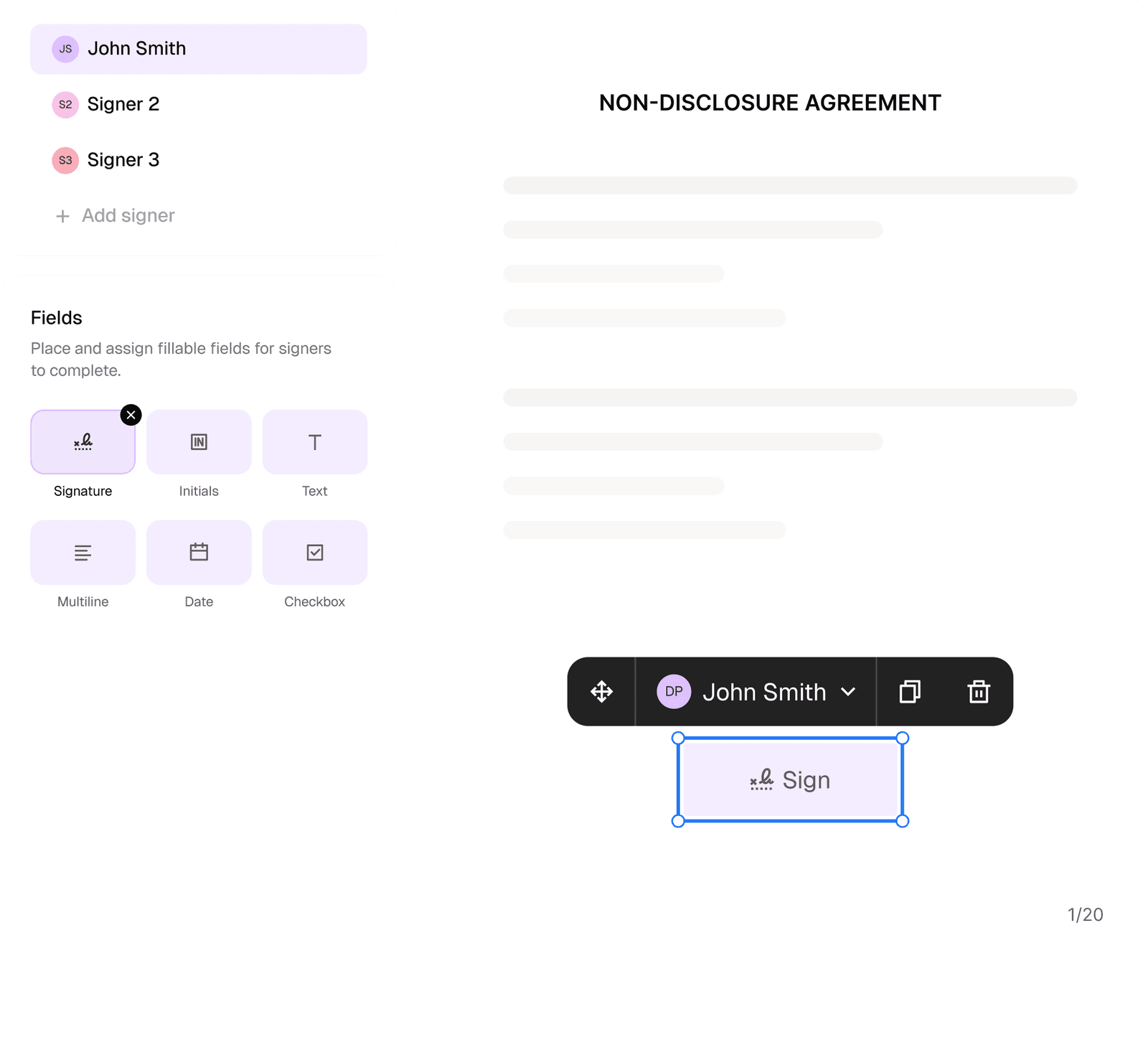
Request legally binding signatures
Invite up to ten people to sign your document in any order. Get a finalized, audit-ready copy without chasing signatures.
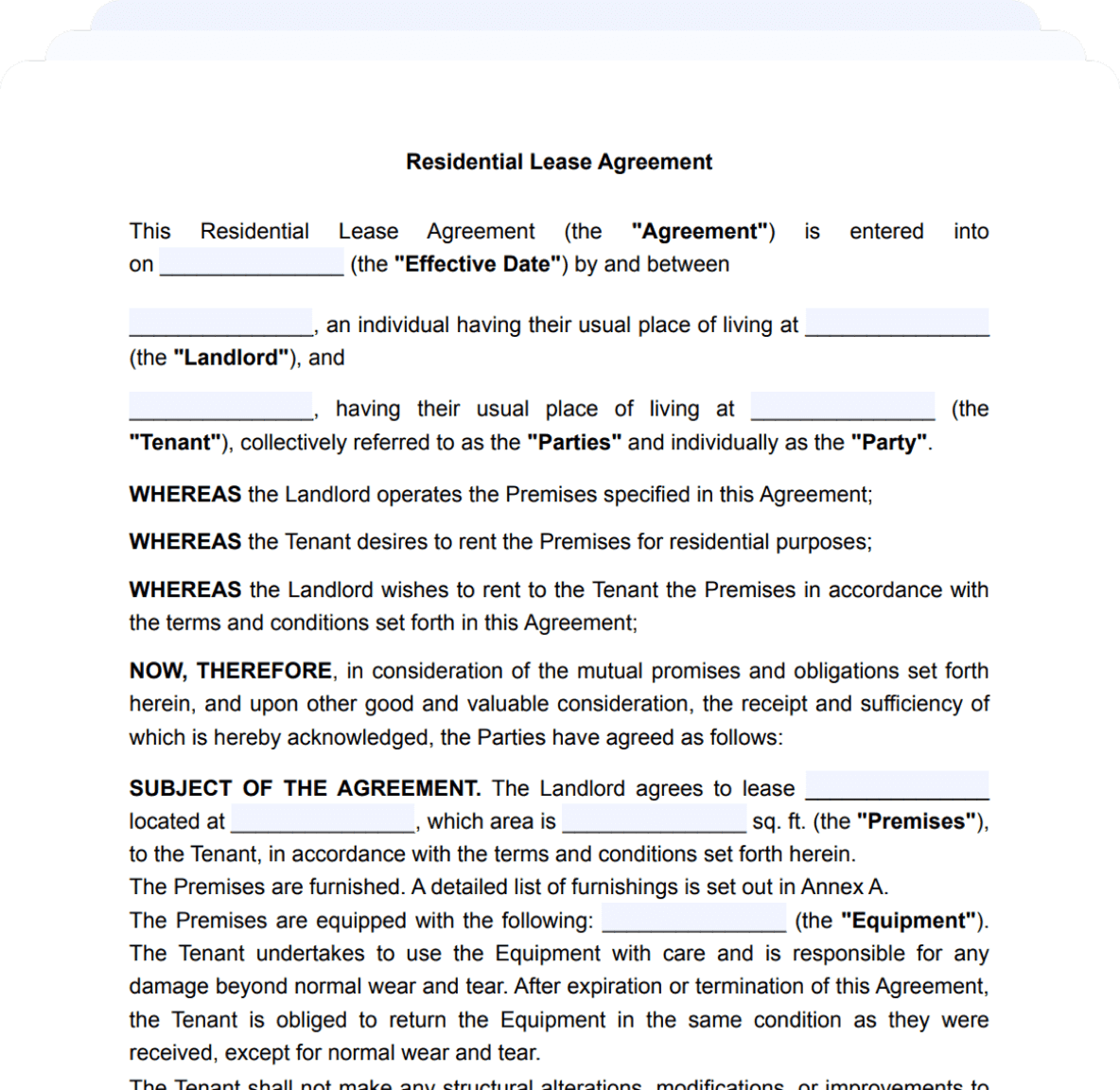
Skip the drafting.
Choose from 2,500+ templates
Browse templatesChoose a template
Fill in details
Sign and download