Updated July 25, 2026
8 min read
Legal Side of Being a Personal Trainer

Legal Side of Being a Personal Trainer
- Licenses for Personal Trainers
- Legal Regulation for Working in Public Spaces
- LLC and Business Entity Formation
- Data Protection for Personal Trainers
- Annual Reporting Requirements
- Employment Legislation
- Insurance for a Personal Trainer
- Personal Training Fitness Contract
- Legal Regulations for Personal Trainer: Checklist
- Conclusion
Content
Being a personal trainer involves more than just helping clients achieve their fitness goals and lose some weight. This job entails understanding and navigating the legal aspects that follow literary every business.
In this guide, we'll explore various legal considerations that personal trainers in the U.S. should be aware of to ensure compliance and protect both themselves and their clients. From licenses and regulations to personal training fitness contracts and insurance, we'll cover all the essential legal aspects of being a personal trainer.
Licenses for Personal Trainers
Long before you find clients and sign personal training fitness contracts with them, you need to find out what your state requires of you as a fitness professional. You may need some license or certification to practice you may not even know about.
For instance, in California, personal trainers must obtain certification through a nationally recognized organization, such as ACE or NASM. Check out specific regulations your state demand from potential personal trainers.
Legal Regulation for Working in Public Spaces
If you plan to get personal training sessions in public spaces, such as parks or beaches, be aware that there may be regulations or permitting requirements imposed by local authorities. Again, additional checkup before those personal training fitness contracts you plan on signing.
Why do we even have such regulations? Well, public safety and overcrowding in public areas are not a joke. So better go check with your local municipality or park district if you need some permits or permissions before gathering a crowd for your outdoor training sessions.
LLC and Business Entity Formation
Personal trainers often create a limited liability company (LLC) or another business entity to manage their financial affairs like real pros. That works like this: you form an LLC that gives you a layer of legal protection, and you separate your personal and business liabilities. Consider it a personal training fitness contract between you and the government. A win-win situation for you both.
Before jumping into legalities, consult with lawyers who specialize in assisting small businesses to find the best business structure for your personal training business.
Data Protection for Personal Trainers
As soon as you get a client and sign up for a personal training fitness contract, you become a guardian of someone's personal information. What kind of sensitive information may personal trainers have access to:
Clients' medical histories;
Records of physical limitations;
Clients' progress reports;
Personal contact information.
So, with all this information in your hands, you should do two things:
- 1
Create a personal training fitness contract where you ensure the client that all the sensitive data collected by you is safe and protected.
- 2
Protect that data. You should implement security measures like using secure servers, encrypting data, and following best practices for data management.
Learn about General Data Protection Regulation (GDPR) in case you ever work with clients from the European Union.
Annual Reporting Requirements
Yes, another legality is waiting for you around the corner as we get closer to the personal training fitness contract. Depending on your business structure and location, you may be required to file annual reports with the state or local authorities. What kind of information do you need to share? Usually, your business's financial status and some ownership details.
For example, in California, a personal trainer who operates as a sole proprietorship or general partnership must file an annual information statement with the Secretary of State's office. If you don’t file the required annual report, you can get penalties or even lose the business's status as a legal entity.
Employment Legislation
If you have no free time slots but clients are queuing to sign up for a personal training fitness contract with you, it’s time to create a team of trainers under your brand. If you plan on hiring employees for your training business, check out relevant employment legislation and information about minimum wage requirements, workers' compensation, and anti-discrimination laws.
It may be a whole new guide, but long story short: If you hire people, you need to keep your business inclusive, legit, and responsible. So, don’t discriminate against people, pay enough money to them, and comply with payroll and tax obligations.
Insurance for a Personal Trainer
Strained muscles and traumas are widespread among trainers, no questions asked. While your clients’ safety should be stated in a personal training fitness contract, it’s important to take care of yourself.
Consider getting liability insurance specifically designed for fitness professionals or trainers — obviously the best option for you. Additionally, there are always options for business insurance to protect your equipment, premises, and other business assets.
Personal Training Fitness Contract
Having a well-drafted personal training fitness contract is a must to set clear expectations and protect you and your clients. It cannot even be otherwise. Without such a contract, you and the client are not even considered to have a business relationship.
The personal training fitness contract should outline the scope of services, payment terms, cancellation policies, liability waivers, and confidentiality agreements between you and your client.
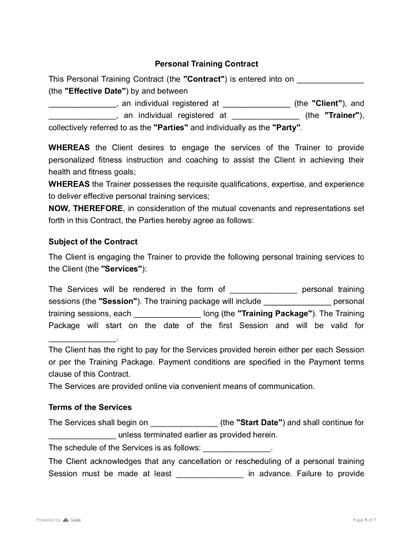
To get a look at the best personal training fitness contract practices and craft one for yourself, consider using a fitness coaching agreement crafted by lawyers. The template already has all the clauses a personal trainer may need and can hint at the best decisions when drafting a personal training fitness contract.
Legal Regulations for Personal Trainer: Checklist
That’s it! We covered almost all the main regulations for your personal training business — from licenses to personal training fitness contracts. Now, let’s gather all the steps you should take in one checklist.
Obtain the necessary licenses and certifications to practice in your state.
Investigate and comply with local regulations for training in public spaces.
Consider establishing an LLC or other suitable business entity to protect personal assets.
Implement data protection measures to safeguard client information.
Stay informed about and meet annual reporting requirements.
Familiarize yourself with employment legislation if you plan to hire employees.
Obtain liability and business insurance to protect yourself and your assets.
Create a thorough personal training fitness contract with the help of an attorney or template.
Conclusion
The training business — like every other business — depends on your awareness of legal regulations. So, if you really need to have successful and stress-free training with your clients, take care of all the licenses, regulations, contracts, insurance requirements, and personal training fitness contracts you need.
FAQ
More guides
September 1
7 min read
How to Provide Proof of Employment: Documents and Steps

September 11
6 min read
Service Agreement Red Flags: What to Check Before You Sign
September 4
Living Will vs Last Will: What’s the Difference?

October 8
8 min read
How to Start a Videography Business: 8 Essential Steps

October 15
How to Start a Staffing Agency: Licensing, Pricing, and Cash Flow

September 1
5 min read
How to Start a Tutoring Business and Succeed

One home for your
agreements
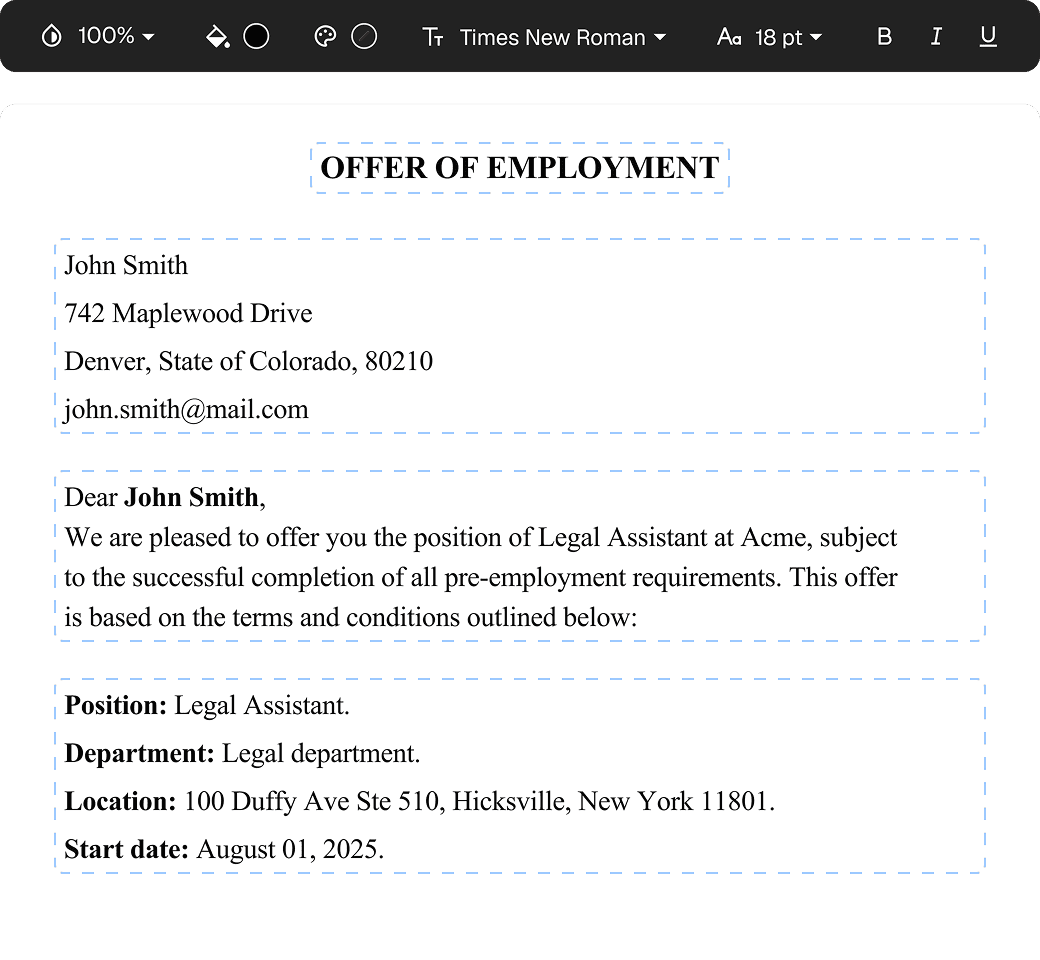
Edit PDFs seamlessly
Tweak agreements before signing or sending for signatures. Update details, add or remove clauses, adjust formatting, and redline changes instantly.
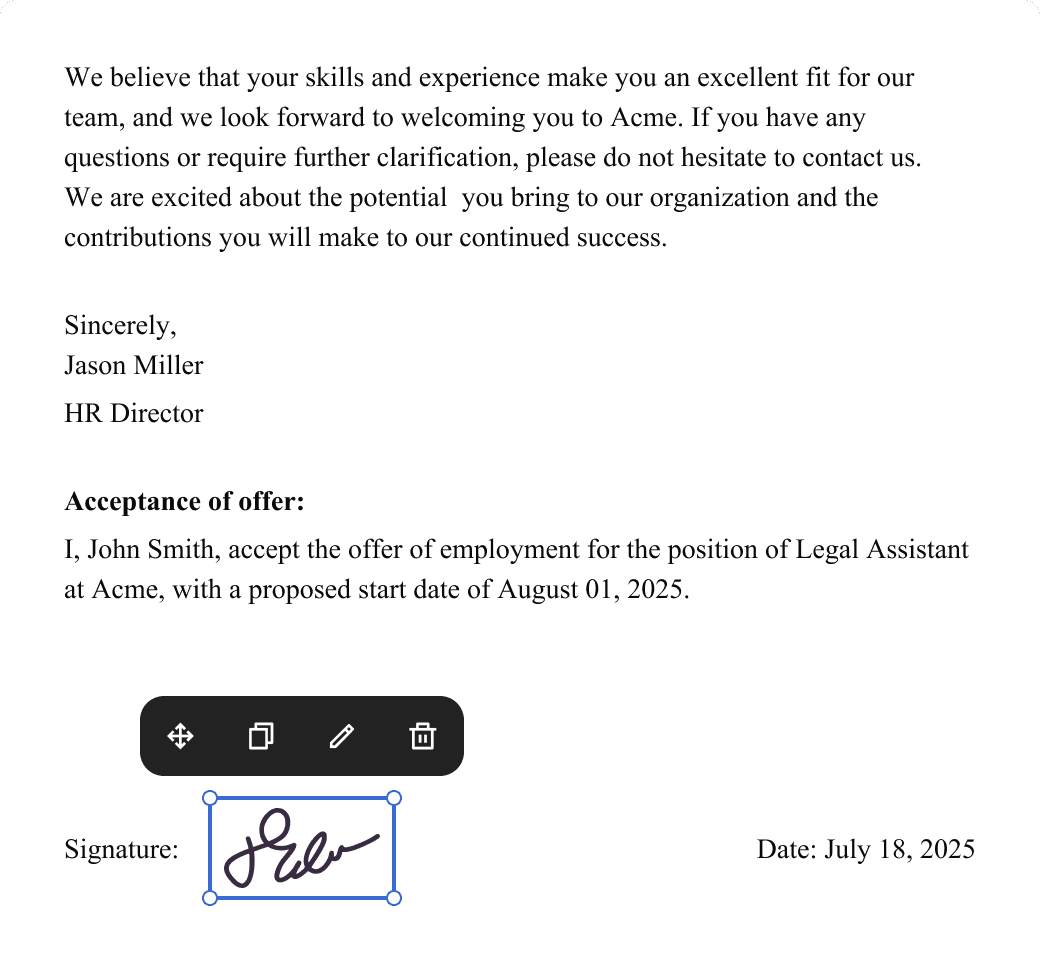
eSign legally and securely
Sign documents and collect legally binding signatures. Invite up to ten people to sign in any order, track the progress, and send reminders.
Request legally binding signatures
Invite up to ten people to sign your document in any order. Get a finalized, audit-ready copy without chasing signatures.
Skip the drafting.
Choose from 2,500+ templates
Browse templatesChoose a template
Fill in details
Sign and download