Updated September 9, 2026
How to Terminate an Employee
How to Terminate an Employee
- Step 1: How to Terminate an Employee Without Creating Legal Risk
- Step 2: How to Prepare the Right Termination Documents
- Step 3: How to Plan Employee Termination and Revoke Access Safely
- Step 4: How to Terminate an Employee in a Meeting
- Step 5: How to Handle Termination After the Meeting
- How to End an Independent Contractor Relationship Correctly
Content
Terminating an employee is mostly about what you do before the meeting. Confirm the reason is lawful and unrelated to a protected class or retaliation, check what notice the signed employment contract requires, and document the performance record or misconduct behind the decision. Draft the termination letter with the effective date and final pay details, and arrange for IT to cut system access as the meeting happens rather than after it. Keep the meeting short, factual, and witnessed by a second manager or someone from HR, then collect equipment and issue the final paycheck by your state's deadline.
Step 1: How to Terminate an Employee Without Creating Legal Risk
Before taking any action, you need to know what you legally can and cannot fire someone for. An employee can sue your company for wrongful termination if they prove the dismissal was based on unlawful grounds or retaliation. This risk is why maintaining essential HR documents is a fundamental requirement for any business before a crisis occurs.
Even if you think about how to terminate an employee without cause, you must confirm that the decision does not affect protected classes. According to Title VII of the Civil Rights Act of 1964, the Age Discrimination in Employment Act (ADEA), and the Americans with Disabilities Act (ADA), you cannot fire someone based on:
Race, color, or national origin.
Religion.
Physical or mental disability.
Marital status, gender, or sexual orientation.
Age, pregnancy, or childbirth.
For performance-based dismissals, you should first utilize a performance improvement plan (PIP). This is a formal, written plan outlining specific goals, timelines, and the consequences of failing to meet them.
A failed performance improvement plan often leads to employee termination, which necessitates strict documentation requirements. If you do not have a paper trail showing the employee failed to meet clear metrics, they can easily claim they were fired for an illegal reason.
Before initiating any separation, your first step should be to review the original signed employment contract. Analyzing this document guarantees you follow the exact notice periods and legal terms agreed upon at the start of hiring.
Reviewing a contract effectively ensures you identify the specific expectations and legal grounds for termination, helping you avoid breach-of-contract claims.
📌 Warning: Never use a PIP as a "sham" or mere formality when you have already decided to let someone go. Juries and labor boards look closely at these documents, and assigning vague, unachievable goals will be viewed as retaliatory.

Step 2: How to Prepare the Right Termination Documents
Never go into a separation meeting empty-handed. Having the right documents drafted in advance ensures the conversation remains focused, factual, and legally sound.
On average, employers can spend around $75,000 in legal costs to resolve an employment claim before trial, and if a case moves forward, pre-trial defense expenses can exceed $125,000. Proper paperwork is one of the most practical ways to reduce dispute risk and control these costs.
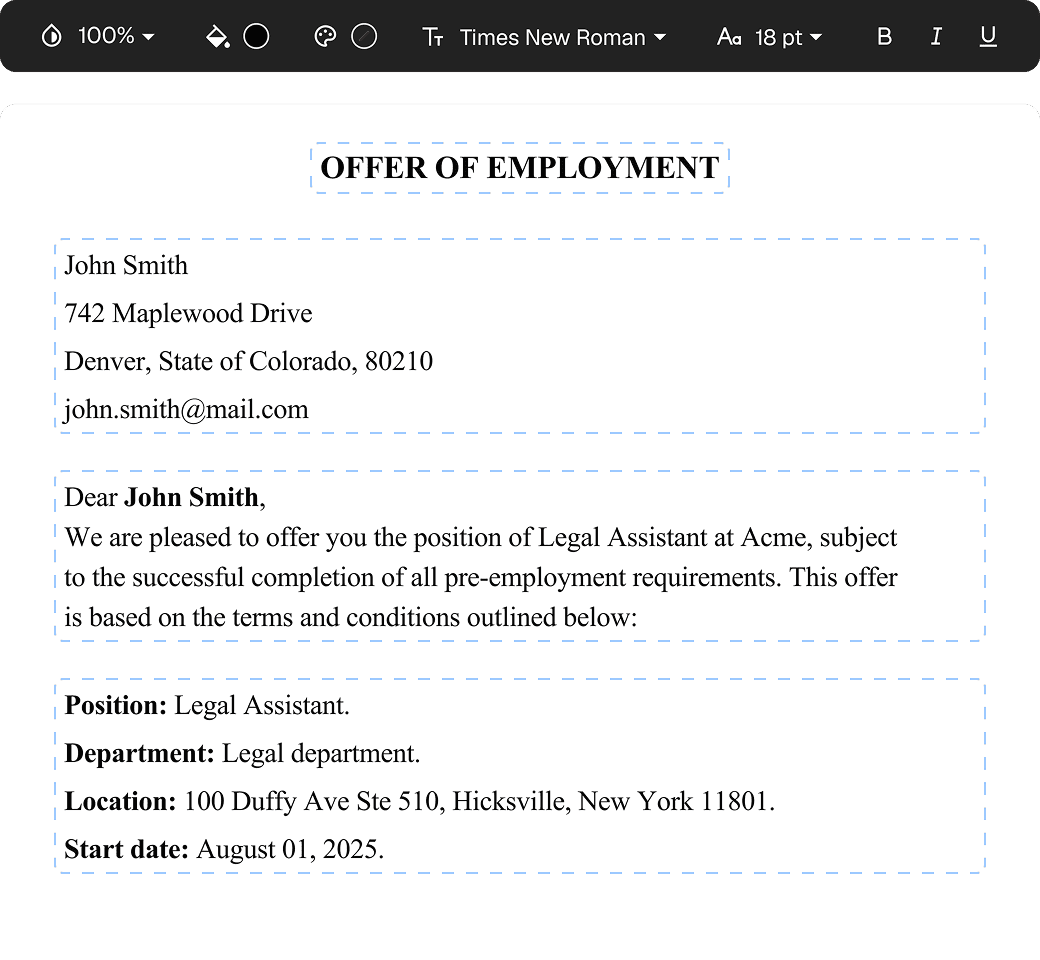
The most critical document is the termination letter, stating the effective date and final paycheck details. You can utilize a PDF editor to customize this document with specific employee data and state-mandated legal language before the meeting.
Beyond the basic notice, you must protect your company’s intellectual property and physical assets. To prevent the leak of client lists or proprietary strategies, ensure the employee reaffirms their post-employment obligations through a non-disclosure agreement.
Step 3: How to Plan Employee Termination and Revoke Access Safely
Understanding exactly how to terminate an employee requires mapping out the physical and digital logistics of their departure before you pull them into a room.
Successfully managing an employee termination process requires navigating at-will employment laws to ensure legal compliance steps are met. Keep in mind that "at-will" means you can end the working relationship at any time, but only if it is not for an unlawful reason or in breach of an employment contract.
📌 Critical IT Warning: Always coordinate with your IT department or system administrator beforehand. A recurring nightmare for business owners on Reddit's management forums is failing to revoke access to CRMs, email accounts, and company servers during meetings, which can lead to data theft or system sabotage.
Step 4: How to Terminate an Employee in a Meeting
When figuring out how to fire someone, the golden rule is brevity. Keep the meeting to 15 minutes or less, be direct, and avoid arguing. Always have a second person (such as an HR representative or another manager) in the room to act as a witness.
Based on insights from experienced leaders, here is a practical script of what to say and what to avoid:
Use "We" instead of "I": Depersonalize the decision. Say, "We are moving forward with terminating your employment," rather than "I am firing you."
Never Apologize: Apologizing implies legal fault. Instead of saying, "I'm sorry we have to do this," you can show sympathy by saying, "I understand this is upsetting."
Be Firm, Not Vague: Do not give false hope. Say, "The decision is final." Avoid phrases like, "I just don't think this is working out right now."
The "Mismatch" Approach: If they tried hard but lacked the skills, frame it professionally. Say, "As we've discussed, there is a mismatch between your skill set and the role. We have determined we need to part ways."
Deflect Debate: If the employee argues, do not list grievances. Simply state, "You have the info from your PIPs and prior meetings, so please refer back to those. Any further questions can be directed to HR."
💡 Delivering the termination letter during a professional termination meeting initiates the formal offboarding process. Once the news is delivered, hand over the paperwork and gracefully end the conversation.
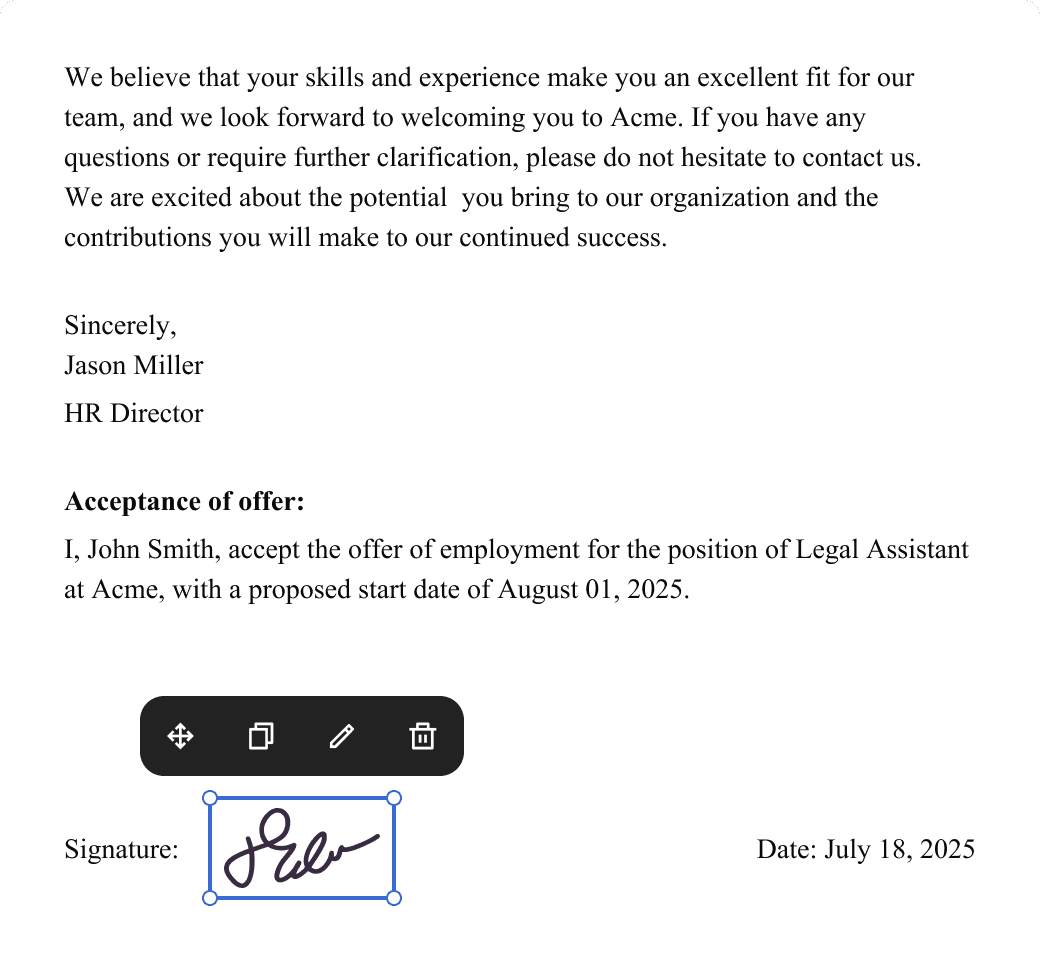
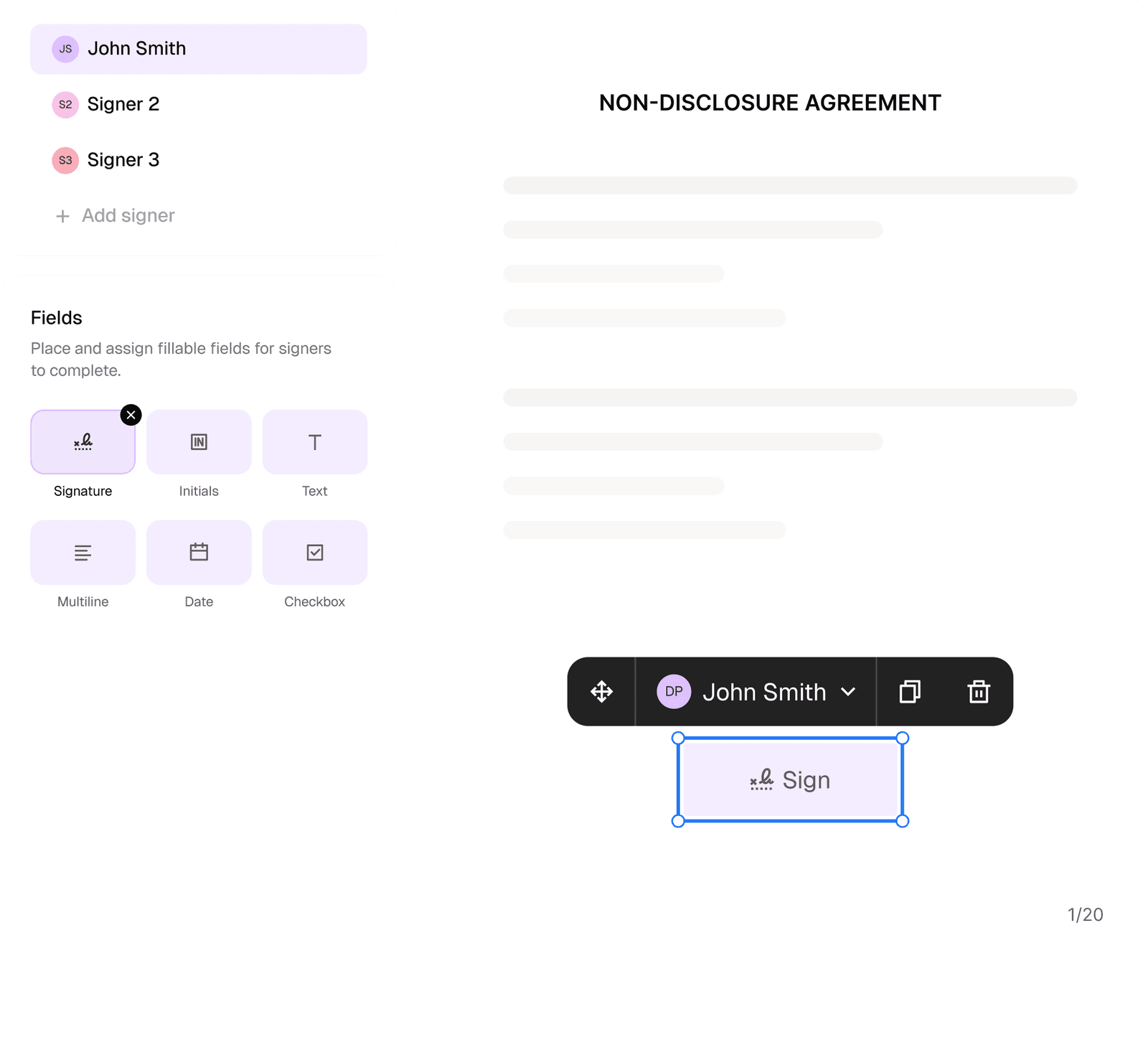
If you are offering a severance package in exchange for a release of claims, you can use e-Sign technology to capture a legally binding signature instantly, ensuring the agreement is finalized before the employee leaves the premises.
Step 5: How to Handle Termination After the Meeting
The work isn't done when the individual leaves the building. A smooth transition is essential to your company's security and the morale of your remaining team.
You must immediately initiate your employee offboarding process. This is a structured approach to retrieving physical assets (laptops, keys, keycards), verifying that all digital access is permanently cut off, and processing final tax and payroll paperwork in accordance with your state's final paycheck laws.
If the termination is due to a skill mismatch rather than misconduct, offering to provide a recommendation letter can de-escalate tension. It shows you value their effort and helps them transition more quickly to a role where they can succeed.

How to End an Independent Contractor Relationship Correctly
If you are parting ways with a freelancer or an outside agency rather than a full-time employee, the process is governed by business contract law rather than labor law. In these cases, you should issue a formal notice to end the professional relationship in accordance with the terms of your service agreement.
Reviewing your independent contractor agreement is essential to guarantee you are providing the correct notice period (e.g., 30 days) and following the "termination for convenience" clauses.
Ending an employee relationship the right way is not just about delivering bad news. It is about protecting your business, documenting your decisions, and managing the process to reduce legal, financial, and operational risk. When you prepare the right records, use clear termination documents, coordinate offboarding carefully, and follow the terms of the employment or contractor agreement, the process becomes more structured and defensible. A professional termination process also helps protect team morale and shows that even difficult decisions are handled consistently and with respect.
More guides
September 15
What Is Contract Redlining?
September 1
7 min read
How to Provide Proof of Employment: Documents and Steps
August 14
11 min read
Right to Work vs. At Will Employment Explained: What's the Difference?

October 15
How to Start a Staffing Agency: Licensing, Pricing, and Cash Flow
September 10
14 min read
How to Protect Your Small Business from Lawsuits
July 26
Employment Background Checks: What Employers Can and Cannot Review
One home for your
agreements
Edit PDFs seamlessly
Tweak agreements before signing or sending for signatures. Update details, add or remove clauses, adjust formatting, and redline changes instantly.
eSign legally and securely
Sign documents and collect legally binding signatures. Invite up to ten people to sign in any order, track the progress, and send reminders.
Request legally binding signatures
Invite up to ten people to sign your document in any order. Get a finalized, audit-ready copy without chasing signatures.
Skip the drafting.
Choose from 2,500+ templates
Browse templatesChoose a template
Fill in details
Sign and download