Updated July 20, 2026
13 min read
How to Value a Business for Sale: Methods and Key Factors
How to Value a Business for Sale: Methods and Key Factors
- The 3 Most Common Ways to Value a Business
- How to Calculate a Rough Business Value Yourself Step-by-Step
- Documents You’ll Need Before Valuing Your Business
- What Buyers Look at When Pricing a Business
- 6 Mistakes That Lead to Wrong Business Valuation
- What Happens If You Price Your Business Too High or Too Low
- What It Means to Value a Business Before Selling
Content
Before you list your business for sale, you need to understand what a buyer would pay for it today realistically. Valuing a business for sale affects how negotiations will go, whether lenders approve financing, how taxes apply to the transaction, and even what structure the deal will take. A clear valuation can help you decide what must be improved before listing the company and what documentation you need ready in advance.
In this guide, you’ll learn how to value a business for sale using the methods most buyers rely on today. Get answers to how different valuation approaches apply to different industries, how to estimate your company’s value yourself, and how to avoid common pricing mistakes that reduce final sale proceeds.
The 3 Most Common Ways to Value a Business
How to value a business to buy or sell if you’ve never dealt with such a task? Most small and mid-size businesses in the US are valued using one of three approaches. Each method answers a different question about the company. The right one depends on how your business earns money and what buyers care about most.
Income-based valuation
Income-based valuation looks at how much money the business generates for its owner each year. For many service businesses, this is the main method used when valuing a company for sale.
Buyers usually start with seller’s discretionary earnings (SDE). This number shows how much income the business provides to one working owner. It includes net profit plus the owner’s salary and some expenses that will not continue after the sale, like:
Owner compensation above market leve
Personal expenses recorded through the business
One-time legal or consulting costs
Unusual repairs or purchases
Larger companies often use Earnings Before Interest, Taxes, Depreciation, and Amortization (EBITDA) instead of SDE because it reflects operating performance without owner-specific adjustments.
Income-based valuation is common when valuing a company for sale in industries such as consulting, agencies, healthcare practices, IT services, and online businesses.
This method is closely connected to enterprise value, which represents the full economic value of the company before ownership changes. Enterprise value includes operating earnings, debt, and available cash.
Asset-based valuation
Asset-based valuation looks at what the business owns after subtracting what it owes. This method is especially important when equipment, inventory, or property make up a large share of the company’s value.
Buyers usually begin with the book value of assets listed on the balance sheet. However, those numbers do not always reflect current market prices. Equipment may be worth less than recorded value, while inventory or real estate may be worth more. Because of this, buyers often calculate an adjusted book value before deciding how assets affect the sale price.
Asset-based valuation is common when valuing a business for sale in industries such as manufacturing, construction, transportation, and wholesale distribution. Even when profit is modest, strong asset value can support a solid asking price.
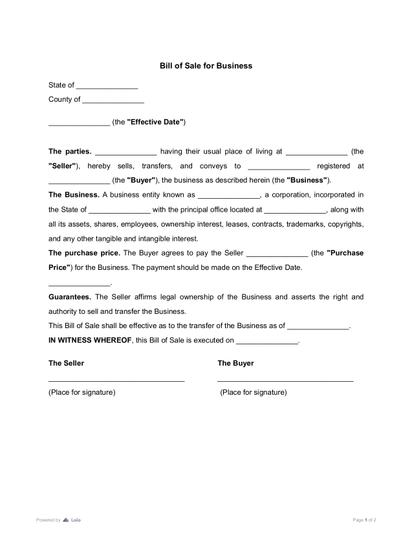
When preparing for a transaction, sellers should clearly identify which assets are included in the sale. These details later appear in transfer documents, often supported by a business bill of sale that lists equipment, inventory, and other property moving to the new owner.
Market-based valuation
Wondering how to value a small business to sell? Market-based valuation is a good option here. It compares your business with similar companies that recently sold. Buyers use these comparable business sales as a benchmark when deciding whether your asking price makes sense.
This method helps answer questions like:
What buyers are currently paying in your industry?
How location affects value?
How company size changes pricing multiples?
How quickly similar businesses are selling?
Restaurants, retail stores, and franchise locations are often priced this way because comparable transaction data is easier to find. Using comparable business sales as a benchmark for your asking price makes negotiations smoother and helps buyers trust your valuation when valuing a company for sale.
How to Calculate a Rough Business Value Yourself Step-by-Step
You don’t always need a formal valuation report to estimate a realistic price range. Many owners start with a simple calculation before speaking with brokers or advisors. Here’s how you can do it.
1. Calculate your SDE
Start with your net profit from the most recent year, and then add back expenses that will not continue under new ownership. Common adjustments include:
Owner salary and benefits
Personal travel recorded as business expenses
One-time legal or consulting costs
Unusual repairs
Non-essential subscriptions
This adjusted number shows how much income the business produces for one working owner. Because future earnings determine business sale valuation, this step forms the foundation of most small business pricing decisions.
If the company runs with managers already in place, EBITDA may provide a more accurate measure than SDE.
2. Find your industry multiple
Most small companies sell within predictable multiplier ranges based on risk, growth potential, and stability. These ranges may include:

These ranges help set expectations when pricing a business for sale, but they are only starting points. Buyers adjust them based on how transferable and reliable the income appears.
3. Adjust for risk factors
Two companies with the same profit can sell for very different prices. Buyers increase or reduce multipliers depending on how risky the business looks after ownership changes. For example, higher multiples are more common when the business has:
Recurring contracts
Predictable revenue
Trained staff who stay after closing
Documented operating procedures
A diversified customer base
Lower multiples are used when the business depends heavily on the owner, a single supplier, or a small group of customers. Pending disputes, unstable suppliers, or declining revenue trends may also reduce value.
Before setting an asking price, subtract business liabilities such as loans, unpaid taxes, or contract obligations. Total assets minus liabilities create a net worth baseline that acts as a floor valuation before listing the business.
4. Add asset value if relevant
Some businesses include inventory, equipment, vehicles, or real estate in the sale. They may increase the final price beyond earnings-based estimates.
Assets and intellectual property increase sale value after liabilities are deducted. This includes trademarks, patents, customer databases, proprietary systems, and any documented intellectual property portfolio that supports future revenue.
Inventory is usually counted separately at closing. Equipment value depends on condition and resale demand. Real estate is often negotiated as its own transaction but still affects how buyers evaluate the overall opportunity.
Documents You’ll Need Before Valuing Your Business
Realistic valuation relies on documentation and records, because buyers will never spend their money based on estimates or verbal explanations. They review documents to confirm what the business earns, what it owns, and what risks they may take on after the purchase. Keeping track of the most important financial documents before it comes to the actual sale negotiations will make things much easier for you.
Prepare these materials early to value a business faster and support your asking price during negotiations.
Financial records buyers expect
Most buyers want at least three years of financial history to understand how stable the business is over time. Common documents include:
Profit and loss statements
Tax returns (you can use a Form 4506 to request a copy of your tax return from the IRS)
Balance sheets
Cash flow reports
Payroll records
These records help them verify that future earnings can support the business sale valuation. Consistent reporting also reduces uncertainty during lender review if the buyer is financing part of the purchase.
Operational information buyers review
Financial performance alone does not explain how easy the business will be to operate after the sale. Buyers also look closely at day-to-day structure. This includes:
Employee roles and compensation
Supplier relationships
Customer concentration data
Lease terms and renewal options
Equipment lists
Operational documentation shows whether the company can continue running smoothly without the current owner.
Legal documents buyers request
Legal documents explain what the buyer is actually acquiring and what obligations transfer with the business. For example:
Licenses and permits
Partnership or ownership agreements
Vendor and service contracts
Lease agreements
Intellectual property registrations
Reviewing these documents can take time, especially if contracts contain complex legal language. If you need a quick summary that explains what a document means and highlights possible risks, tools like our AI Contract Review assistant can help identify key clauses before negotiations move forward.
Fortunately, managing paperwork is much easier today than it used to be. With electronic signature tools, buyers and sellers can review, negotiate, and sign agreements online instead of handling long paper exchanges. Using contract templates along with our online PDF editor also makes it easier to adjust documents quickly as deal terms change.
What Buyers Look at When Pricing a Business
Buyers evaluate several factors before making an offer. Profit matters most, but it is not the only driver of value.
Profit
Buyers focus on profit instead of revenue because it shows how much income the business can generate after the purchase. Most buyers review at least two to three years of earnings to see whether income is stable, growing, or declining. One unusually strong year rarely changes valuation on its own.
They also look at how dependent profits are on the owner’s involvement. If income depends heavily on personal relationships or specialized knowledge, they may adjust their offer downward.
Industry demand
Demand for businesses changes across industries. Some sectors attract more buyers, financing options, and competition between offers.
Companies with recurring revenue, long-term service agreements, or subscription models often sell faster because income is easier to predict. Businesses in shrinking or highly competitive industries may take longer to sell even if current profits look strong.
Risk factors
Risk affects how confident a buyer feels about keeping revenue after the purchase. Higher risk usually leads to lower offers. Common concerns may be:
Reliance on one major customer
Lack of written contracts with clients or suppliers
Short lease terms or uncertain renewal options
Outdated equipment that requires replacement
Pending legal or regulatory issues
Assets
Physical assets include inventory, machinery, vehicles, and equipment. Intangible assets can include brand recognition, domain names, proprietary workflows, customer databases, and supplier relationships.
A documented asset base helps establish a net worth baseline, which shows what remains after liabilities are deducted. Strong assets and intellectual property often increase sale value even when profit growth is moderate. In some cases, intellectual property may define what your business sells for, so make sure your IP is protected.
6 Mistakes That Lead to Wrong Business Valuation
Incorrect pricing is one of the most common reasons business sales slow down or fall apart. Buyers usually test assumptions early in the process, and unrealistic expectations become obvious quickly. Here are some things you shouldn’t do.
- 1
Let personal effort influence the price. Many owners naturally factor in years of work, risk, and personal investment when deciding what the business should be worth. A price based on effort rather than performance often leads to fewer offers and longer time on the market.
- 2
Use revenue instead of profit. Profit is what supports loan approvals, investor returns, and deal structure decisions. For this reason, pricing a business for sale usually starts with SDE or EBITDA rather than total sales.
- 3
Ignore business liabilities. Outstanding loans, unpaid taxes, lease obligations, and pending legal issues directly reduce what a buyer is willing to pay. These business liabilities must be deducted before setting an asking price.
- 4
Overlook hidden operational risks. Heavy reliance on one customer, undocumented processes, or short-term supplier agreements can lower valuation even when profits look stable.
- 5
Choose the wrong valuation method. Different businesses require different pricing approaches. Applying the wrong method can distort expectations and make it harder to justify your number during negotiations.
- 6
Skip market comparisons before setting the asking price. Comparable business sales help confirm whether your expectations match current market conditions. Reviewing recent transactions helps keep pricing aligned with real demand.
What Happens If You Price Your Business Too High or Too Low
If the price is too high, buyers may hesitate to engage. A business that stays on the market too long can raise concerns about hidden risks or unstable performance. Financing may also become harder if lenders believe the price is not supported by the numbers, which often leads to renegotiation later.
On the other hand, if the price is too low, interest usually comes faster, but you risk giving up value built over years of work. It can also limit flexibility when negotiating payment terms or deal structure.
What It Means to Value a Business Before Selling
When you know how to evaluate your small business for sale, you get an understanding of how buyers are likely to see it. Buyers will look into:
Physical assets such as equipment and inventory
Income potential based on past performance
Industry demand and local market conditions
Operational stability and owner involvement
Customer relationships and brand recognition
Many owners start valuing their business six to twenty-four months before selling. This gives time to organize records, reduce risks, and improve weak areas that affect price. Valuation is also useful during partner buyouts, investor exits, retirement planning, estate planning, and ownership disputes, where knowing the company’s market position supports better decisions.
The value of your business becomes much clearer once you understand what buyers actually look for. With the right preparation and realistic expectations, you can set a price that reflects the true strength of what you built. A thoughtful valuation can be the first step toward a smooth sale and a more confident transition to what comes next.
More guides
September 1
7 min read
How to Provide Proof of Employment: Documents and Steps

July 21
Commission vs Bonus in Sales: Pay Rules, Taxes, and When to Use Each
July 26
9 min read
Sales Order vs Invoice: Key Differences and When to Use Each
October 16
7 min read
How to Redact a PDF Safely: Step-by-Step Data Protection Guide
September 24
7 min read
Are Electronic Signatures Legally Binding?

September 15
7 min read
Contract Risk Management: How to Do It Properly
One home for your
agreements
Edit PDFs seamlessly
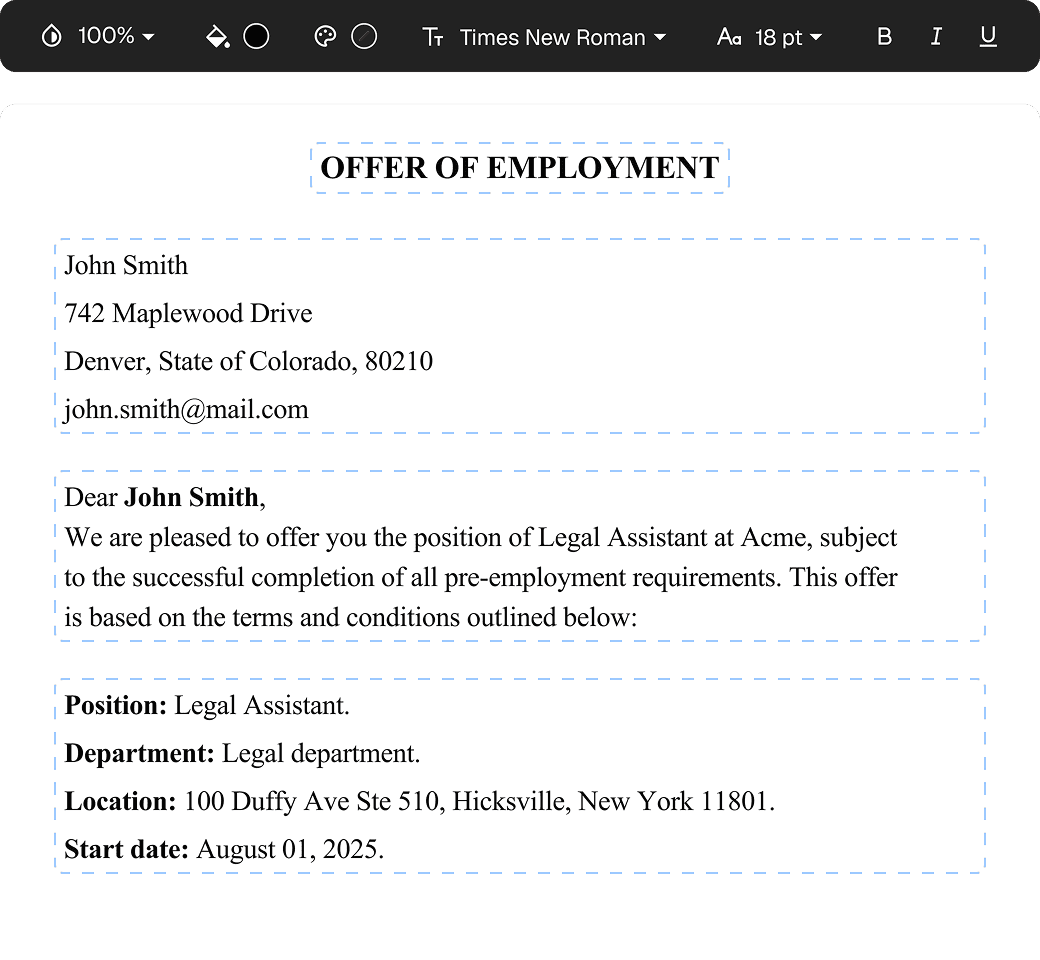
Tweak agreements before signing or sending for signatures. Update details, add or remove clauses, adjust formatting, and redline changes instantly.
eSign legally and securely
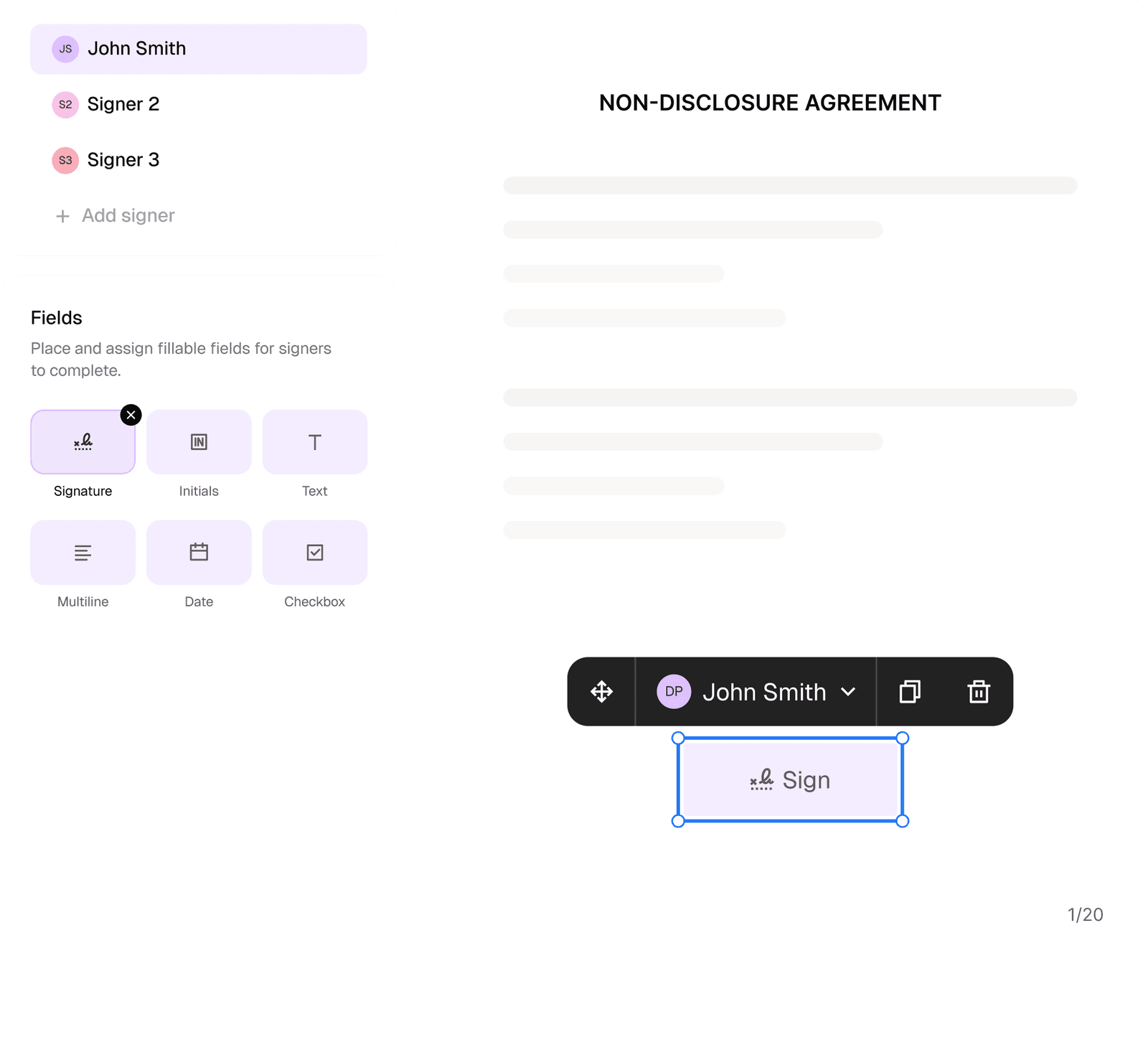
Sign documents and collect legally binding signatures. Invite up to ten people to sign in any order, track the progress, and send reminders.
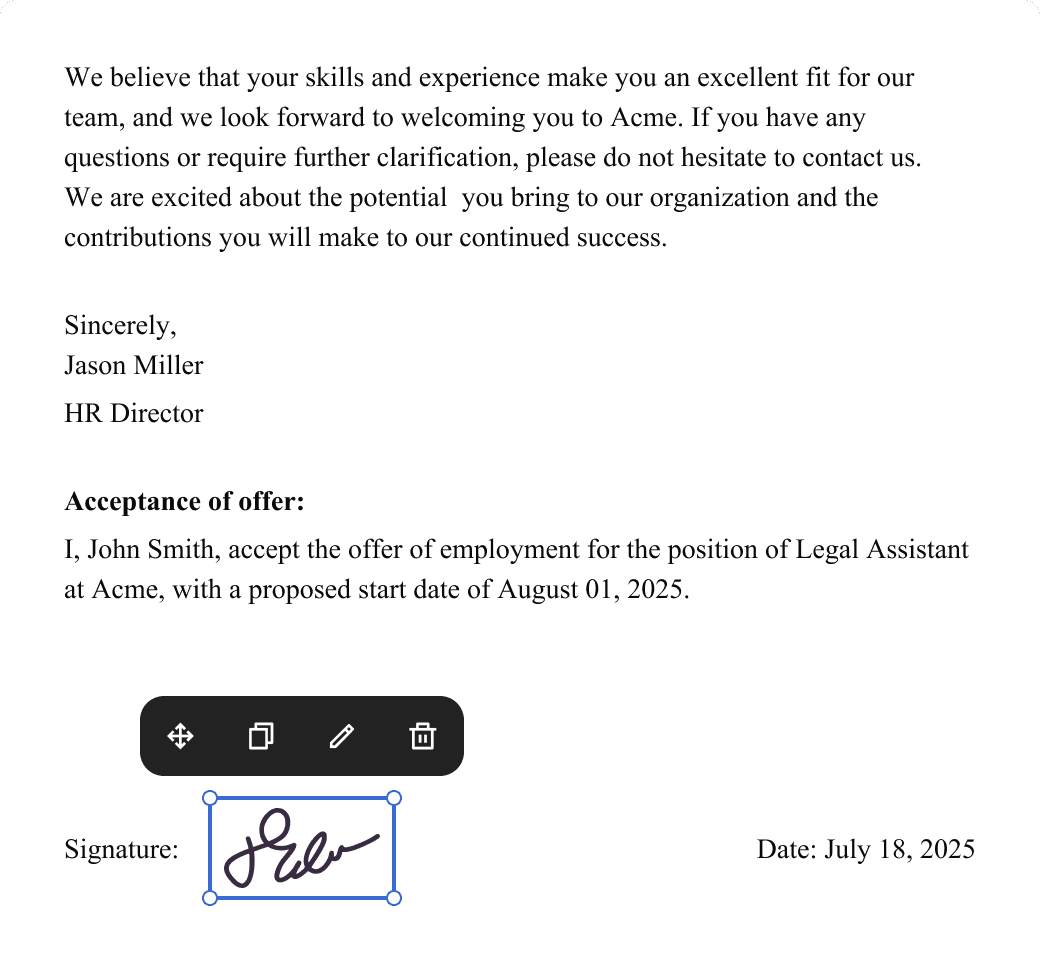
Request legally binding signatures
Invite up to ten people to sign your document in any order. Get a finalized, audit-ready copy without chasing signatures.
Skip the drafting.
Choose from 2,500+ templates
Browse templatesChoose a template
Fill in details
Sign and download