A power of attorney cannot be canceled just because someone disagrees with the agent’s decisions. The law limits who can step in and when. In most situations, authority stays with the agent unless the principal takes action or a court finds a legal reason to intervene.
The principal
The principal has the strongest control over a POA while they remain mentally capable. Сhanging the power of attorney in this case does not require court approval if the principal understands their decision.
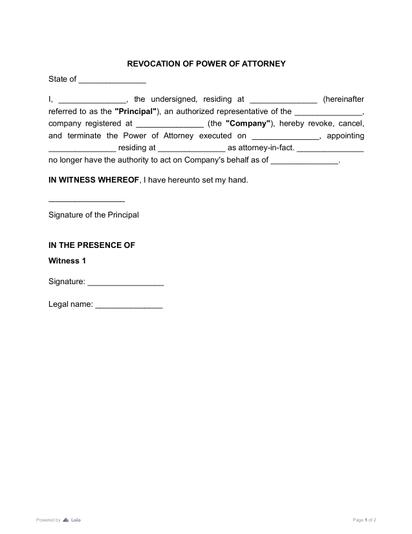
A principal who remains mentally competent can revoke a power of attorney in writing at any time, which immediately ends the agent’s authority to act on their behalf.
If you are trying to understand how to revoke power of attorney, the typical steps include signing a written revocation, notifying the agent, and informing any banks, healthcare providers, or business partners that relied on the document.
Some states also recommend filing the revocation with the same office where the original POA was recorded, especially if property or business authority was involved.
A court
Courts can override a POA if there is evidence of abuse, fraud, incapacity, or conflict with the principal’s interests.
Judges often step in when:
The agent exceeds granted authority
Family members raise concerns about exploitation
The principal becomes incapacitated and oversight is needed
The POA document appears invalid
If misuse is proven, a court can remove the agent from their role under the power of attorney and appoint another decision-maker when necessary. In case the court appoints a guardian or conservator, that person may replace the agent’s authority entirely or share control depending on the ruling.
A guardian or conservator
Guardians usually manage personal or healthcare decisions. Conservators often control financial matters. Their authority comes directly from the court rather than the principal. Once appointed, they may:
Suspend the agent’s authority
Review the agent’s actions
Replace the agent completely
Courts decide the scope of authority case by case.
Family members in limited situations
Family members cannot cancel a POA on their own, but they can ask a court to review the agent’s authority if they believe something is wrong. They usually begin by filing a legal request supported by evidence.
For example, many people ask whether a wife can override a power of attorney simply because she is married to the principal. A spouse cannot override the document automatically because court action is usually required.
Judges may intervene after family members report financial exploitation, pressure during signing, lack of mental capacity at the time the POA was created, or decisions that clearly harm the principal’s interests.
Financial institutions
Banks and other financial organizations cannot revoke a POA, but they can refuse to honor it if they believe something is wrong, for example:
Missing signatures or notarization
Unclear authority language
Conflicts with internal policies
Banks and other institutions may temporarily stop transactions until the agent provides proper verification. This can limit the agent’s authority in practice until the issue is resolved.
Healthcare providers
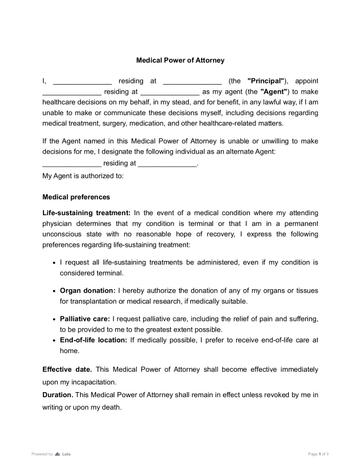
Healthcare providers can limit the use of a medical POA if the document conflicts with other medical instructions or does not clearly apply to the situation. Their role is to confirm that the agent is acting within authorized medical decision-making powers.
Doctors may pause decisions if another legally recognized decision-maker exists, if the agent exceeds their authority, or if authenticity concerns arise. This temporary refusal can override the agent’s instructions until the legal authority becomes clear.