Updated July 20, 2026
5 min read
5 Essential Healthcare Documents Everyone Should Have

5 Essential Healthcare Documents Everyone Should Have
Content
When we think about “being prepared,” most of us imagine first-aid kits, insurance cards, or maybe the number of a trusted doctor. What we often overlook are the documents that tell our story when we can’t speak for ourselves, like a living will declaration, which outlines your medical wishes in case you’re unable to communicate them.
Healthcare isn’t just about treatment — it’s about communication. The proper papers guarantee your wishes are honored, your care is consistent, and your loved ones don’t have to guess what you’d want. Yet, most people only realize this during a crisis, when emotions run high and time runs short.
1. Living Will
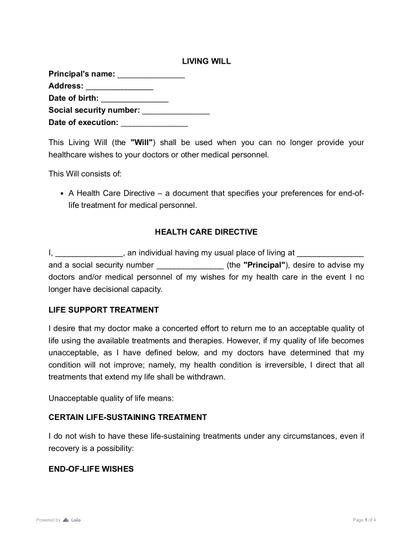
If you could no longer make medical decisions, who would speak for you, and what would they say? That’s exactly what a living will answers.
It’s one of the most important healthcare-related documents because it puts your medical wishes into writing, whether you want life-support measures, pain management, or specific treatments. Without it, doctors must rely on family members, who might disagree or feel unprepared.
According to MedlinePlus.gov (U.S. National Library of Medicine), a living will helps your healthcare providers and loved ones make decisions that match your values and preferences. It’s not only for senior adults, but also for people of all ages to benefit from having one in place.
You can easily prepare your own living will template. It’s written in clear language, reviewed by lawyers, and ready for personalization. A few minutes of preparation today could spare your family confusion and conflict tomorrow.
2. Medical Consent Form
Hospitals and clinics require consent before any procedure, but few patients realize how powerful this form really is. It’s your legal proof that you understand what’s happening to your body and that you agree.
Too often, patients sign stacks of papers without reading them, missing crucial details about risks or alternatives. A well-structured consent form prevents misunderstandings, protects your rights, and promotes transparency between you and your provider.
You can adapt the medical consent form to fit specific treatments or surgeries. Keep a copy for your records and take time to review every clause before signing. Empowerment starts with information.
3. Medical Records Release Form
Your medical history is valuable. It’s the story of every diagnosis, allergy, and medication that shapes your future care. But under privacy laws like HIPAA, your doctor can’t share it without your written permission.
A medical records release form allows you to decide who gets access to a specialist, a new doctor, or a trusted caregiver. It’s one of those hospital document examples that seem bureaucratic until you urgently need test results transferred.
If you’ve ever switched clinics and waited weeks for files to move, you already know how essential this form is. Using a ready-made medical records release can help you stay in control of your health data securely and efficiently.
4. Medical Power of Attorney (POA)
What happens if you’re conscious but can’t communicate clearly? Or recovering from surgery and need someone to make quick medical choices on your behalf? That’s where the medical representative agreement becomes vital.
This legal doc designates someone you trust, such as your spouse, friend, or adult child, to make healthcare decisions if you can’t. It’s one of the most practical examples of medical legal documents because it bridges the gap between personal and professional responsibility.
If you already have one, review it regularly, especially after moving to a new state, since healthcare laws vary. Pairing this with your living will ensures your agent knows your exact wishes.
5. Personal Care Plan
While hospitals handle your immediate treatment, long-term care management is often left to you. A personal care plan keeps track of your medications, upcoming appointments, allergies, and emergency contacts, information your doctor might not always have handy.
Think of it as a bridge between “doctor documents” and your personal wellness routine. It helps you communicate clearly across multiple providers and keeps your family informed. If you or a loved one lives with chronic conditions, this document can prevent errors and save lives.
Bonus: Legal and Administrative Forms You’ll Thank Yourself For Later
Beyond medical charts and hospital forms, there’s a set of administrative healthcare documents most people forget until paperwork chaos hits. These include:
Telehealth consent forms for virtual appointments.
Data-sharing agreements between clinics and labs.
Insurance authorization forms for claims and reimbursements.
Privacy policies or HIPAA acknowledgments you sign at every visit.
All of these are medical legal documents that protect your privacy and privileges as a patient. Understanding how a living will differs from other medical decision documents also helps you choose the right combination for your situation. You can use Loio’s healthcare-related medical record forms to save time and ensure everything signed or sent is legally consistent.
What Most Checklists Forget
Most healthcare blogs stop at “have a living will and insurance.” But real-world care is messier:
- Transitions between facilities: Hospitals, rehab centers, and home care teams often use incompatible systems. Having personal copies of your documents avoids dangerous gaps.
- Digital readiness: Scanning your signed forms and storing them securely (in encrypted cloud folders) ensures instant access anywhere — critical in emergencies. If you scan these forms with a phone camera, make the scanned PDF searchable so a hospital or family member can find the right document by name or date during a crisis.
- Periodic updates: Your medical and personal circumstances change. Revisit your documents every year or after major life events.
Even the most detailed plan won’t help if it’s outdated or unreachable.
Final Thoughts: Paperwork as Protection
No one enjoys paperwork until it’s the one thing protecting their voice. Healthcare documentation may not feel urgent, but it’s deeply personal. These docs — a living will, consent form, medical records release, medical power of attorney, and care plan — work together as your medical safety net and easily make up the list of five hospital documents every patient should have ready.
Creating them doesn’t require a lawyer or hours of research. Loio’s templates turn complex legal language into ready-to-use, customizable files you can fill out directly from your browser.
When life moves fast, being prepared is its own kind of care. Start today — because the best time to organize your health documents is before you need them.
Article by Kate Adkham
Kate Adkham is a Legal Content Manager at Loio with a background in law and hands-on experience in contract support. Her legal education and previous work as a lawyer allow her to ensure the accuracy and clarity of legal content across the platform.
At Loio, Kate is responsible for researching, editing, and proofreading legal templates and guides. She also monitors updates related to U.S. law to keep content current and compliant.
More guides
September 15
The Difference Between First, Second, and Third-Degree Murders
September 4
Living Will vs Last Will: What’s the Difference?

August 31
4 min read
Living Will vs Power of Attorney: Understand What You Need

September 13
11 min read
How to Hire a Nanny in 2026: The Full Legal Process Explained

July 24
5 min read
Do You Need a Counselor Recommendation Letter for College?

July 21
7 min read
Common App Document Requirements: Complete Checklist

One home for your
agreements
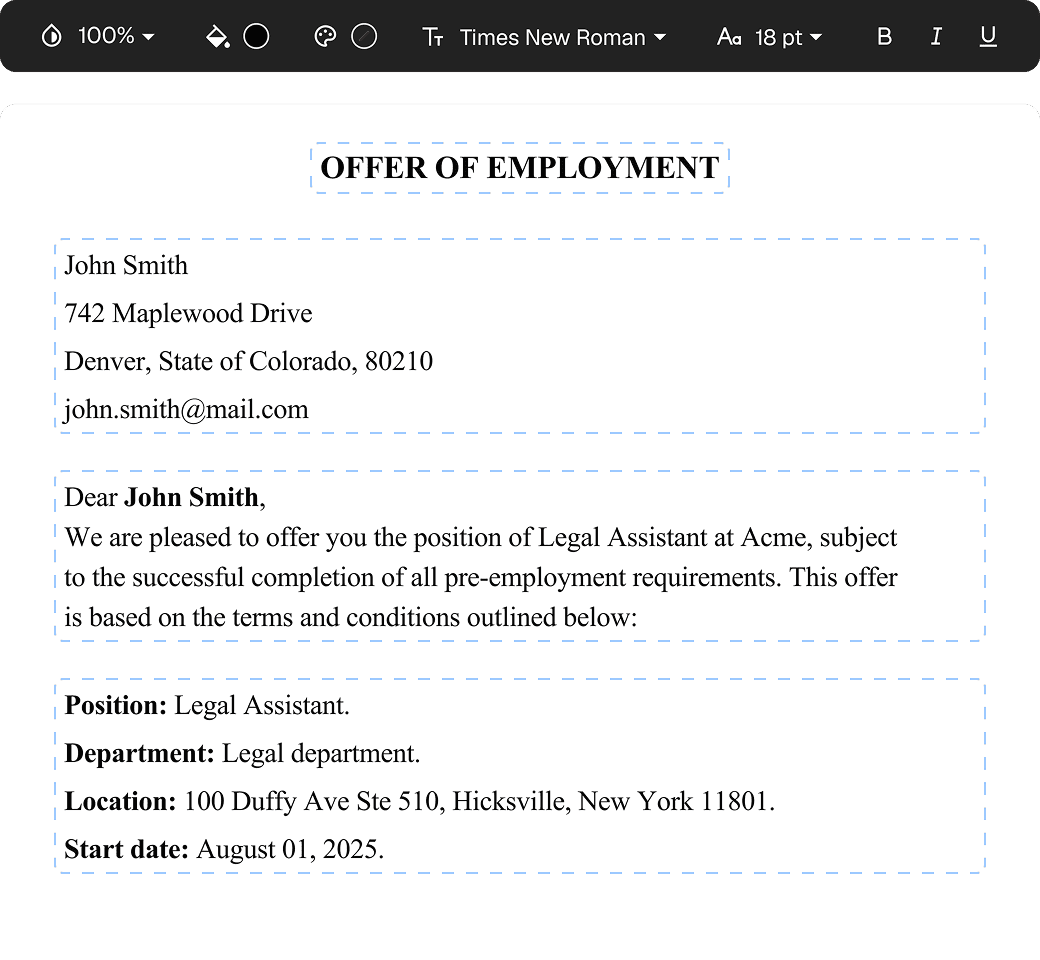
Edit PDFs seamlessly
Tweak agreements before signing or sending for signatures. Update details, add or remove clauses, adjust formatting, and redline changes instantly.
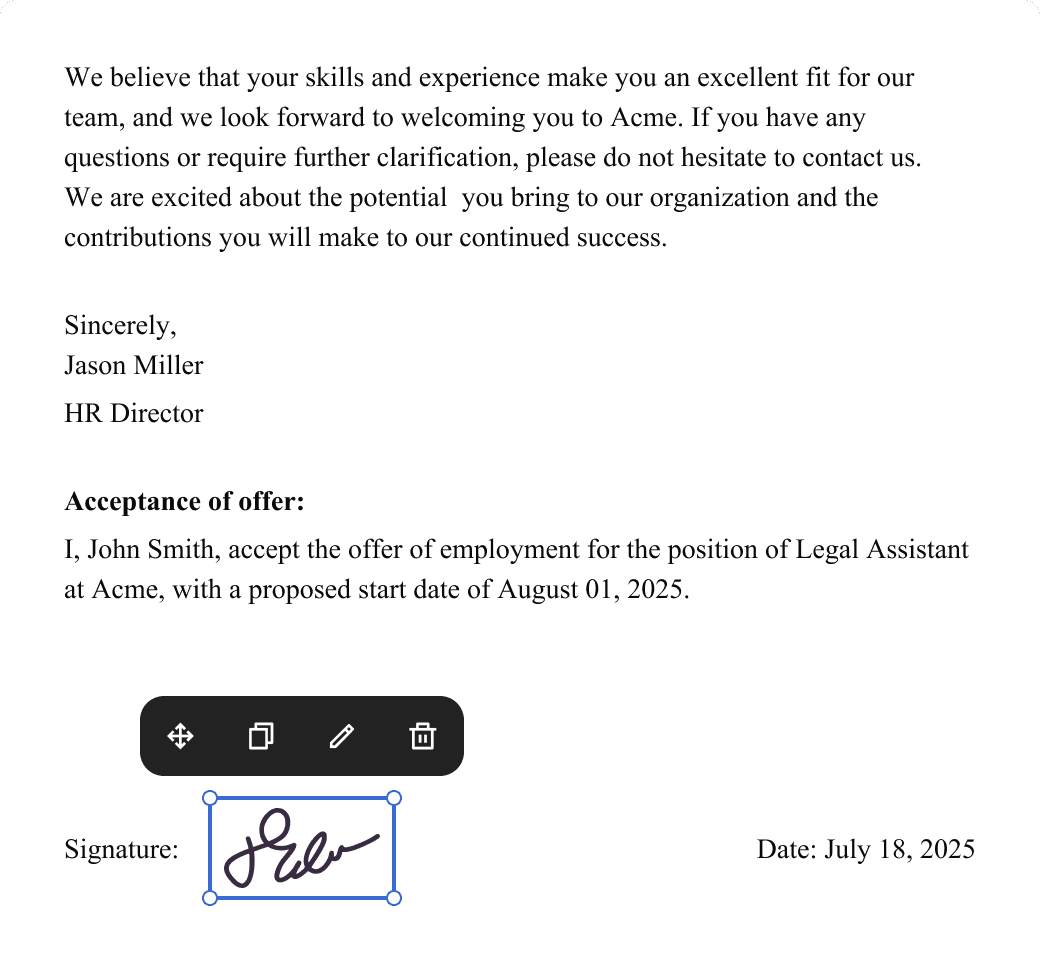
eSign legally and securely
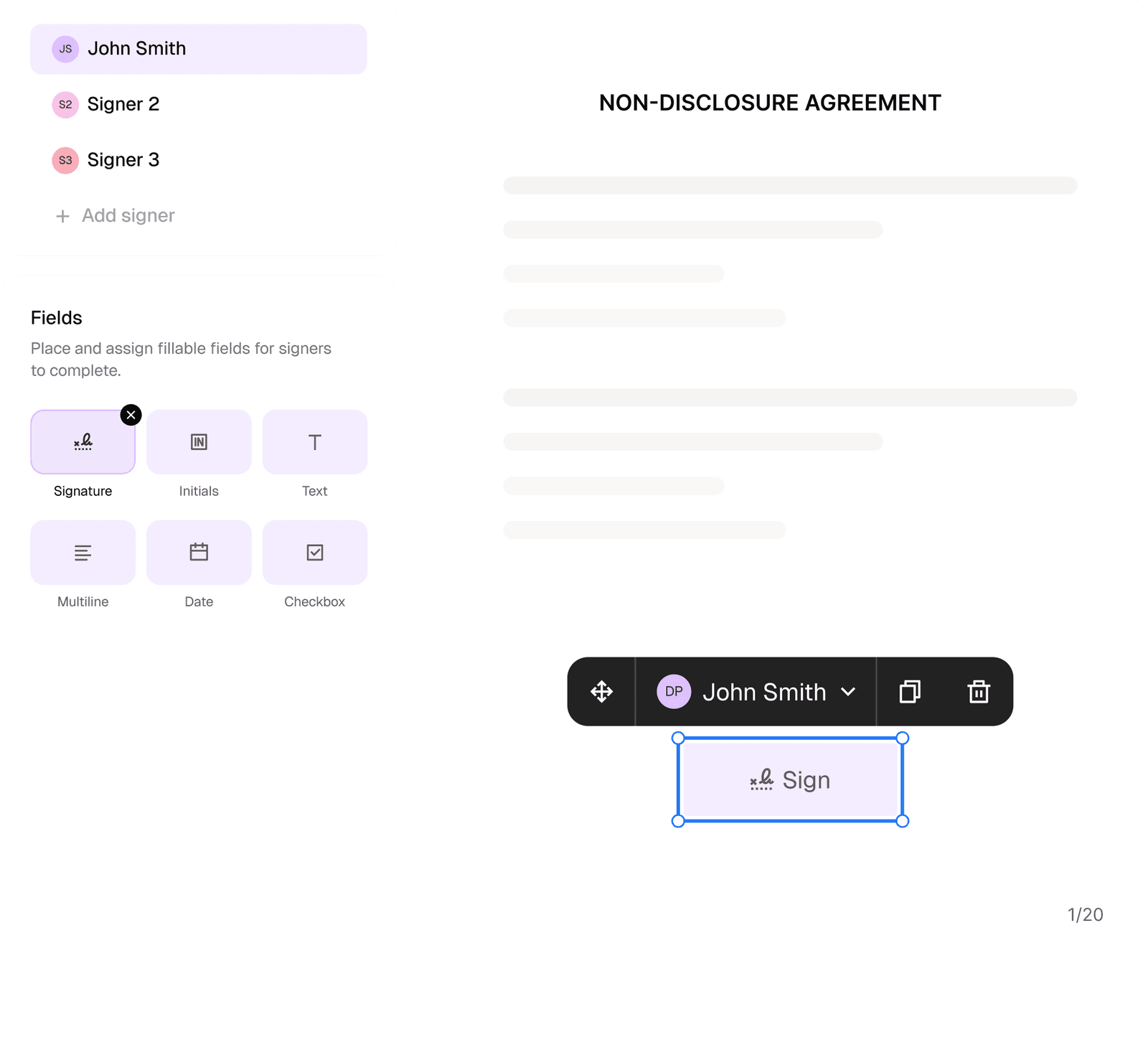
Sign documents and collect legally binding signatures. Invite up to ten people to sign in any order, track the progress, and send reminders.
Request legally binding signatures
Invite up to ten people to sign your document in any order. Get a finalized, audit-ready copy without chasing signatures.
Skip the drafting.
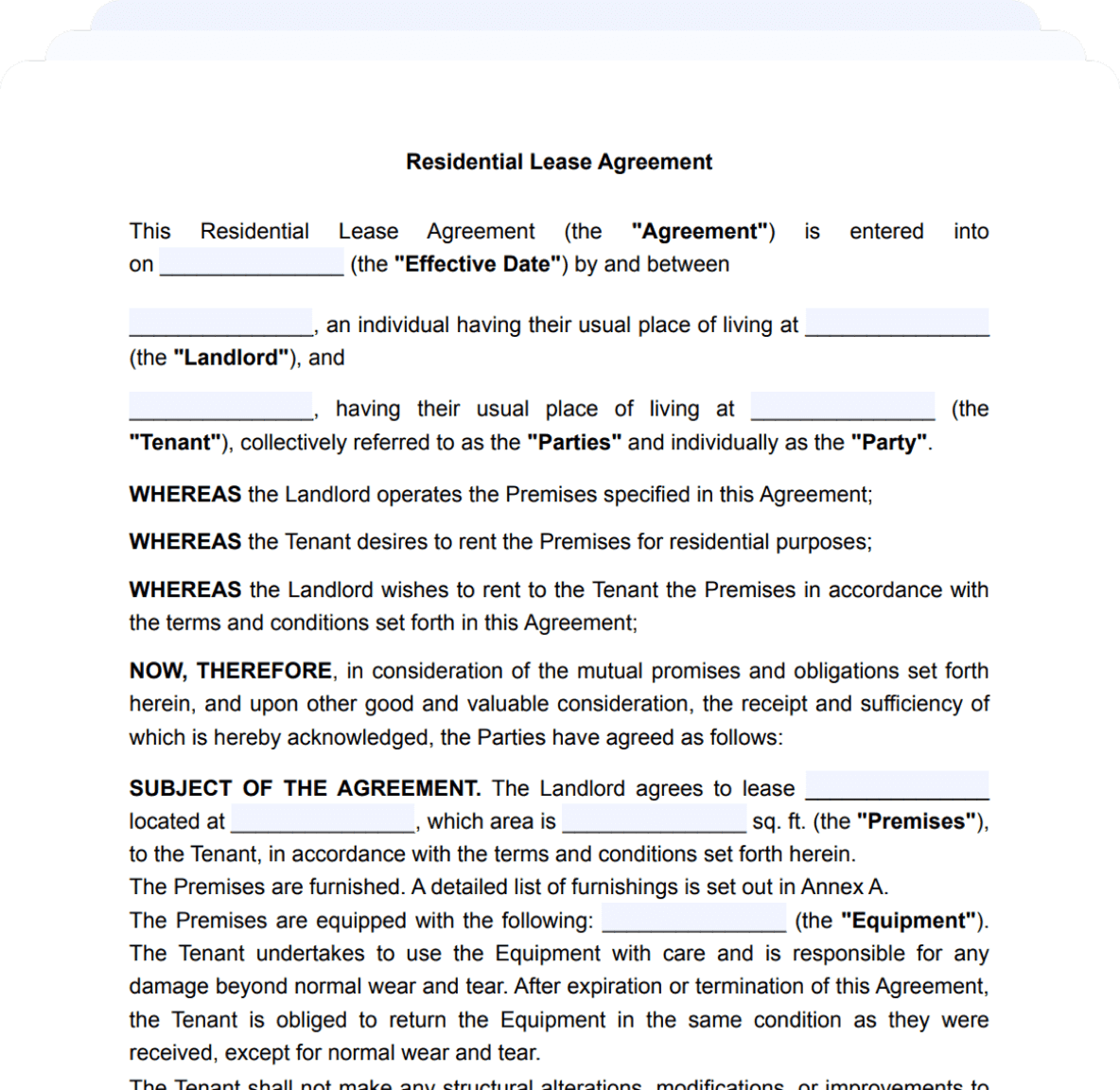
Choose from 2,500+ templates
Browse templatesChoose a template
Fill in details
Sign and download