Updated August 26, 2026
8 min read
When to Hire a Bookkeeper as Your Business Grows

When to Hire a Bookkeeper as Your Business Grows
Content
Business owners always want their venture to grow, but growth also means there are more things to keep track of and more things that can go wrong. More business brings on more invoices, payroll, tax records, inventory and additional income streams, among many other small things.
At some point, keeping the books starts taking attention away from the key operations and scaling. Owners sometimes don't even realize how much time they're spending on financial recordkeeping until they start falling behind.
There is no universal rule for when to hire a bookkeeper. Revenue alone doesn't determine whether you need one. The better question is whether your current system still gives you an accurate picture of your business finances.
What Does a Bookkeeper Actually Do?
A bookkeeper keeps your business's financial records organized, accurate, and up to date. It helps business owners understand where their money comes from, where it's going, and whether the business is actually making a profit.
Many small business owners start by managing their own books. In the early stages, that often works well. However, as transactions increase and operations become more complex, keeping your records accurate requires more time and attention than many owners expect.
Good bookkeeping helps answer many questions that come up throughout the year:
How much profit did the business generate last month?
Which customers still owe money?
How much cash is available after paying taxes and expenses?
Are business costs increasing?
Can the company afford to hire another employee or expand operations?
Without accurate records, business owners often rely on bank account balances or rough estimates when making decisions. Unfortunately, neither provides a complete picture of a company's financial health.
Typical bookkeeping tasks
The exact responsibilities of a bookkeeper depend on the business, but most handle a combination of ongoing financial and administrative tasks, such as:
Recording income and expenses
Categorizing business transactions
Reconciling bank and credit card accounts
Tracking customer invoices and payments
Managing accounts payable and accounts receivable
Maintaining payroll records
Preparing monthly financial statements
Organizing receipts and supporting documentation
Tracking business expenses and deductions
Monitoring cash flow and outstanding balances
Some business owners assume bookkeeping means just entering numbers into accounting software. The work, however, involves maintaining records that support nearly every financial decision the business makes.
For example, a bookkeeper may identify unpaid invoices affecting cash flow, spot unusual increases in expenses, or notice discrepancies between bank records and internal reports before they become larger problems.
Accurate bookkeeping also helps businesses maintain the records required by the IRS. Depending on the type of record, businesses may need to retain financial documentation for several years.
What Bookkeepers Don't Usually Do
Bookkeepers play an important role in financial management, but they don't typically replace accountants, tax professionals, or attorneys. Most bookkeepers do not:
Develop tax strategies
Provide legal advice
Represent businesses during audits
Recommend business structures
Perform business valuations
Prepare complex tax returns
Create long-term financial forecasts
These responsibilities usually fall to accountants or tax professionals, such as a Certified Public Accountant (CPA).
Small businesses eventually work with both a bookkeeper and an accountant. The bookkeeper maintains accurate records throughout the year, while the accountant uses those records for tax preparation, financial analysis, and business planning.
Many owners asking themselves "do i need a bookkeeper for my small business" are actually trying to determine whether they need help with daily financial management or higher-level financial advice.
9 Signs You Should Hire a Bookkeeper
There is no specific revenue amount, employee count, or business age that automatically determines when you need professional bookkeeping support. If some of the situations below apply to your business, it may be time to start considering hiring a bookkeeper for a small business.
You're spending too much time on bookkeeping
At first, recording transactions and reconciling accounts may only take an hour or two each week. As the business grows, those same tasks can begin consuming evenings, weekends, and valuable work hours.
You should consider spending five hours per week a reasonable benchmark. Once bookkeeping consistently requires more time than that, many business owners discover they're losing more money through lost productivity than they would spend on professional bookkeeping services.
You're falling behind on your records
Records usually become disorganized over time. It often starts with you simply postponing reconciling accounts because of a busy week or a bunch of receipts remain uncategorized for another month. The longer you’re falling behind on your records, the harder it gets to reconstruct them correctly.
Warning signs you should definitely take into account are unreconciled bank accounts, missing receipts, unpaid invoices, and incomplete expense records, among others.
The longer records remain incomplete, the more difficult and expensive it becomes to correct them later.
Tax season has become stressful
If tax season requires searching through old emails, downloading missing statements, and trying to remember transactions from months earlier, your bookkeeping process may no longer support your business effectively.
Businesses should strive to keep accurate records throughout the year to reduce errors, improve documentation, and help identify available deductions. Proper bookkeeping can really support tax preparation because accountants can focus on tax strategy and compliance instead of rebuilding your financial records.
You don't know your business's actual profit or cash flow
Many business owners know their current bank balance but fewer know exactly how profitable their business has been during the last quarter. Questions such as these should have relatively clear answers:
How much profit did the business generate last month?
Which customers still owe money?
How much cash should be reserved for taxes?
Which services or products produce the highest margins?
Are operating expenses increasing?
A positive bank balance does not necessarily mean a business is profitable. Without reliable bookkeeping, it might be hard to understand how much money is actually available and whether the business is financially healthy.
Your business is growing quickly
More customers usually mean more invoices, more expenses, more payments to track, and more financial records to maintain. Growth also tends to create new types of expenses and obligations. You may add business software subscriptions, hire outside vendors, open additional accounts, or expand into new markets. Each change, in turn, adds another layer of financial recordkeeping.
Many owners begin hiring a bookkeeper for a small business during periods of growth because they want to maintain visibility into their finances while expanding.
You've hired employees or contractors
Even if you only work with a few contractors, you'll likely need to manage invoices, payment records, reimbursement expenses, and tax documents. Businesses with employees face additional responsibilities related to payroll, withholding taxes, benefits, and employment records.
Businesses that work with independent contractors also have additional reporting obligations. Depending on the type of payment, business owners may need to prepare forms such as 1099-NEC for nonemployee compensation or 1099-MISC for certain other reportable payments.
Some of the records businesses may need to maintain include:
Payroll reports
Contractor payments
Employee compensation records
Tax forms
Reimbursement documentation
Benefits information
Federal tax authorities require businesses to retain certain employment tax records for multiple years. Many owners who decide to hire a bookkeeper for their small business do so shortly after bringing on their first employees.
You're managing inventory
Selling products involves much more than tracking sales revenue. Businesses must also account for:
Inventory purchases
Inventory value
Cost of goods sold
Returns and exchanges
Damaged or obsolete inventory
Inventory stored in multiple locations
Without accurate inventory records, it becomes difficult to calculate your actual profitability. A business may appear profitable based on revenue alone while losing money because inventory costs are not being tracked correctly.
That’s usually why retail businesses, ecommerce companies, manufacturers, and wholesalers often require bookkeeping support earlier than service-based businesses.
This is another reason why there is no universal answer to when to hire a bookkeeper.
You have multiple income streams
Additional revenue sources usually create additional bookkeeping responsibilities. For example, a business may earn income through services and consulting, product sales, subscriptions, affiliate partnerships or rental income, among others.
Dealing with several revenue streams sometimes means tracking different payment systems, expense categories, reporting requirements, and tax obligations.
Additionally, without organized records, it can be harder to determine whether a new product line, service offering, or sales channel is helping or hurting your business.
If you're beginning to wonder whether you should hire a bookkeeper for small business operations, increasing revenue complexity is often one of the strongest indicators.
You're planning to apply for financing or planning expansion
Banks, investors, and lenders expect businesses to provide accurate financial information. You'll likely need documentation such as:
Profit and loss statements
Balance sheets
Cash flow reports
Tax returns
Accounts receivable reports
Beyond evaluating how much money a business earns, they also examine how consistently the business manages its finances and whether its records support future growth plans.
Bookkeeper vs. Accountant: Which One Do You Need?
Many business owners use the terms interchangeably, but bookkeepers and accountants typically perform different functions. Depending on the size and complexity of your business, you may need one, the other, or eventually both.

When you need a bookkeeper
A bookkeeper is usually the right choice when your biggest challenge is keeping financial records organized and up to date. You may benefit from a bookkeeper if you need help with:
Recording transactions
Reconciling bank accounts
Tracking invoices and payments
Organizing expenses
Managing payroll records
Maintaining financial reports
Monitoring cash flow
Many business owners begin looking into hiring a bookkeeper for small business services because they can no longer keep up with routine financial tasks while also running their company.
When you need an accountant
An accountant typically becomes important when your business decisions require financial analysis, tax planning, or specialized expertise. Business owners often work with accountants when they need help with:
Preparing business tax returns
Developing tax strategies
Choosing a business structure
Planning major purchases
Applying for financing
Forecasting future growth
Preparing for audits
Valuing a business
An accountant can also help identify financial risks and opportunities that may not be obvious from bookkeeping records alone.
When you may need both
Many established small businesses eventually work with both a bookkeeper and an accountant because each professional solves a different problem.
The bookkeeper manages day-to-day financial records, while the accountant reviews financial performance and prepares taxes. Then, the business owner uses both sets of information to make decisions.
Businesses preparing for financing, expansion, or ownership changes can benefit from having both professionals involved and prevent costly mistakes and delays.
What Type of Bookkeeper Should You Hire?
There is no single type of bookkeeping service that works for every business. The right choice depends mostly on the size of your company, the complexity of your finances, your budget, and how involved you want to be.
Freelance bookkeeper
Freelance bookkeepers work independently and provide services on an hourly, monthly, or project basis. This option often works well for consultants, service providers, small local businesses, or companies with relatively straightforward finances.
Hiring a freelancer usually costs less than a full-time bookkeeper. It also gives more flexibility if your bookkeeping needs change throughout the year. Before hiring a freelancer, you need to know exactly which services they provide. Some bookkeepers handle payroll and invoicing, while others focus primarily on transaction management and reporting.
Virtual bookkeeping service
These companies typically provide cloud-based bookkeeping support through monthly subscription plans. Depending on the provider, services may include transaction management, bank reconciliations, payroll support, financial reporting, tax document preparation, and dedicated account managers.
Virtual services often appeal to businesses that have outgrown DIY bookkeeping but do not yet need a full-time employee.
In-house bookkeeper
Larger businesses eventually reach a point where bookkeeping becomes a full-time responsibility. An in-house professional may make sense when you have:
High transaction volume
Multiple employees
Complex operations
Extensive reporting requirements
Significant inventory management
An in-house employee develops a deeper understanding of the company's operations and can work closely with management throughout the year. The tradeoff, of course, is cost. In addition to salary, businesses must consider benefits, payroll taxes, software, and training expenses.
Industry-specific bookkeepers
Certain industries have unique accounting and recordkeeping requirements. Industry-specific bookkeepers may be necessary for:
Construction companies
Medical practices
Law firms
Restaurants
Ecommerce businesses
Real estate companies
Manufacturing businesses
What Documents Should You Prepare Before Hiring a Bookkeeper?
Bookkeepers initially spend some time learning how a business operates. The more complete your records are, the faster they can begin providing useful financial information. Most bookkeepers will request several categories of documents.
Financial records: Prepare business bank statements, credit card statements, profit and loss reports, balance sheets, cash flow statements, and previous tax returns. These documents will establish the financial history of your business and give a starting point for bookkeeping review.
Income and expense records: Gather customer invoices, payment records, receipts, vendor invoices, expense reports, and sales records. Documentation of income and expenses can support financial reporting, tax compliance, and day-to-day bookkeeping operations.
Payroll and employment records: If you have employees or contractors, prepare payroll reports, employee information, contractor agreements, tax forms, and benefits documentation.
Business formation and legal documents: Organize articles of organization or incorporation, operating agreements, partnership agreements, business licenses, loan agreements, commercial leases, and other contracts that create financial obligations. Keep them accessible to help your bookkeeper understand ownership structures, debt obligations, recurring payments, and other factors that affect financial reporting.
Many owners now store and manage agreements and other documents digitally using tools such as our eSign tool and PDF editor that simplify document updates and record retention.
If you're unsure which agreements contain important financial obligations, an AI contract review tool can help identify payment terms, renewal provisions, and other details that may affect bookkeeping and financial reporting.
In the end, the right time to hire a bookkeeper looks different for every business. Business owners rarely regret hiring a bookkeeper too early. More often, they wish they had done it before falling behind on records, taxes, or cash flow management.
More guides
September 1
7 min read
How to Provide Proof of Employment: Documents and Steps

August 5
7 min read
How to Accept ACH Payments from Clients

July 22
4 min read
Income Statement vs Profit and Loss Statement: Is There a Difference?
July 25
11 min read
Charitable Donations Tax Deduction: Eligibility, Limits, and Records

July 26
12 min read
How to Read a Profit and Loss Statement

September 1
6 min read
Different Types of 1099: Who and When Files Them

One home for your
agreements
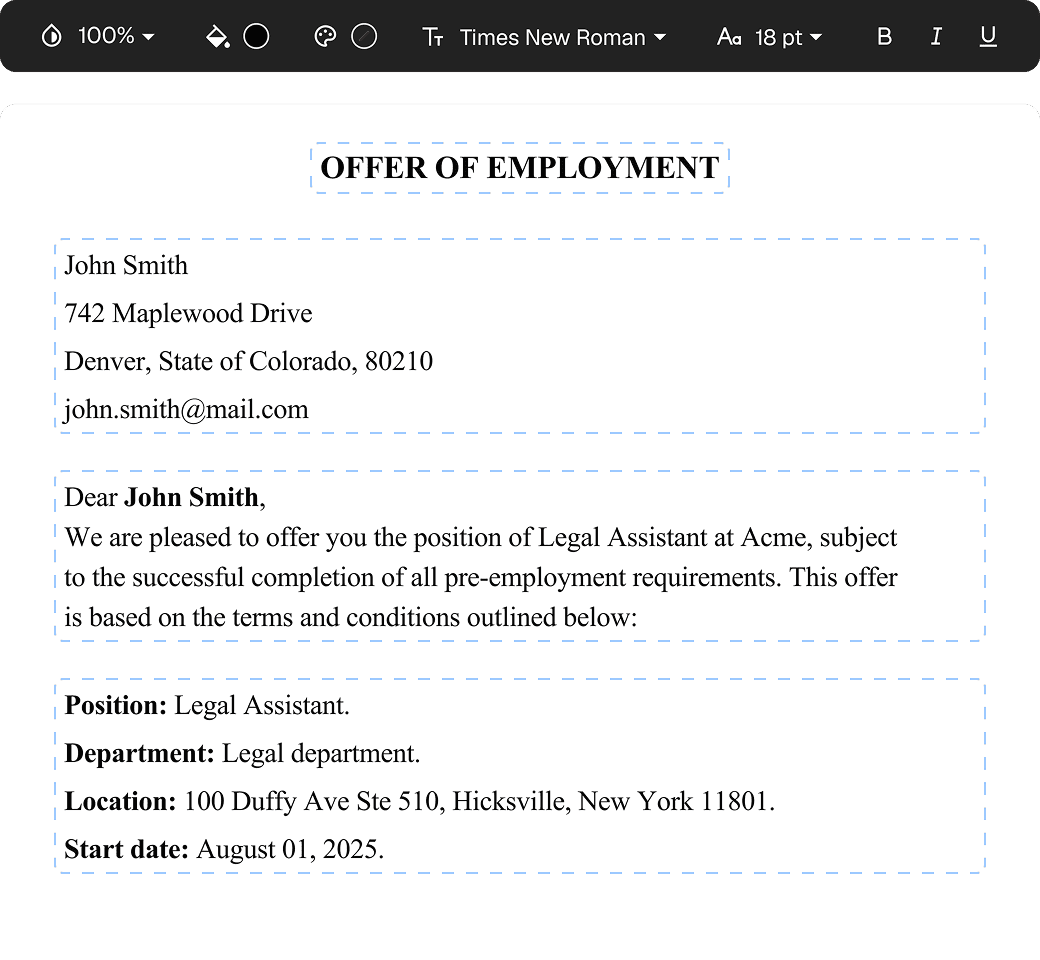
Edit PDFs seamlessly
Tweak agreements before signing or sending for signatures. Update details, add or remove clauses, adjust formatting, and redline changes instantly.
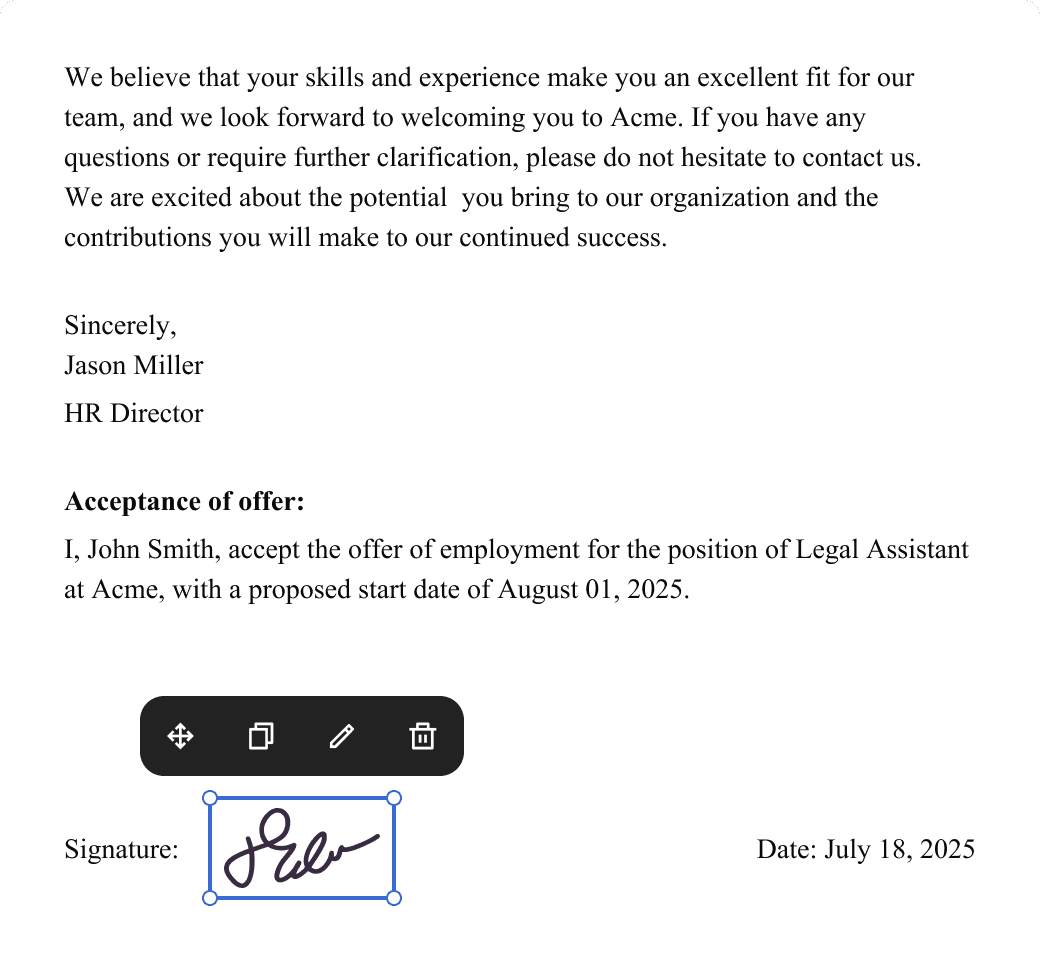
eSign legally and securely
Sign documents and collect legally binding signatures. Invite up to ten people to sign in any order, track the progress, and send reminders.
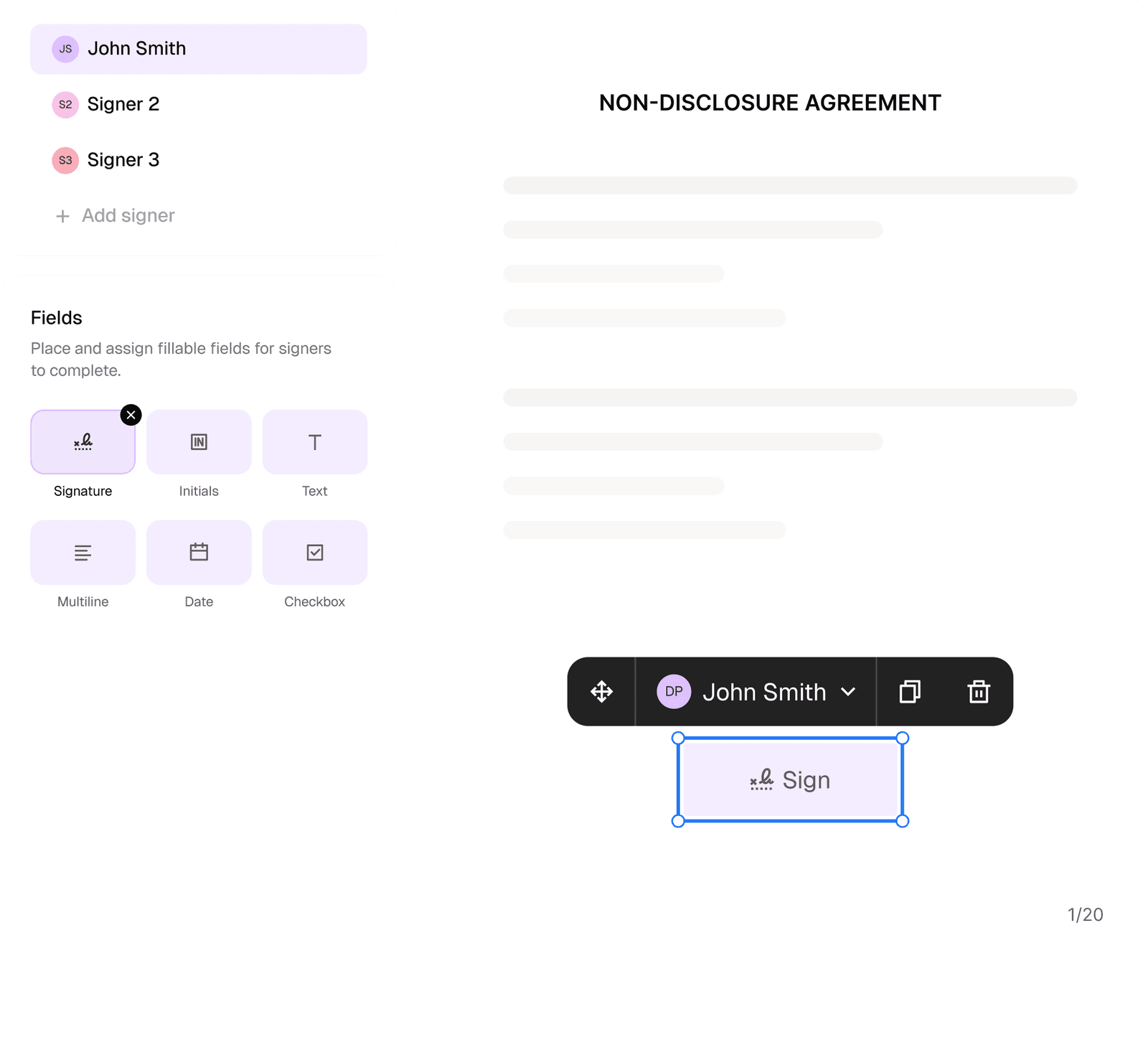
Request legally binding signatures
Invite up to ten people to sign your document in any order. Get a finalized, audit-ready copy without chasing signatures.
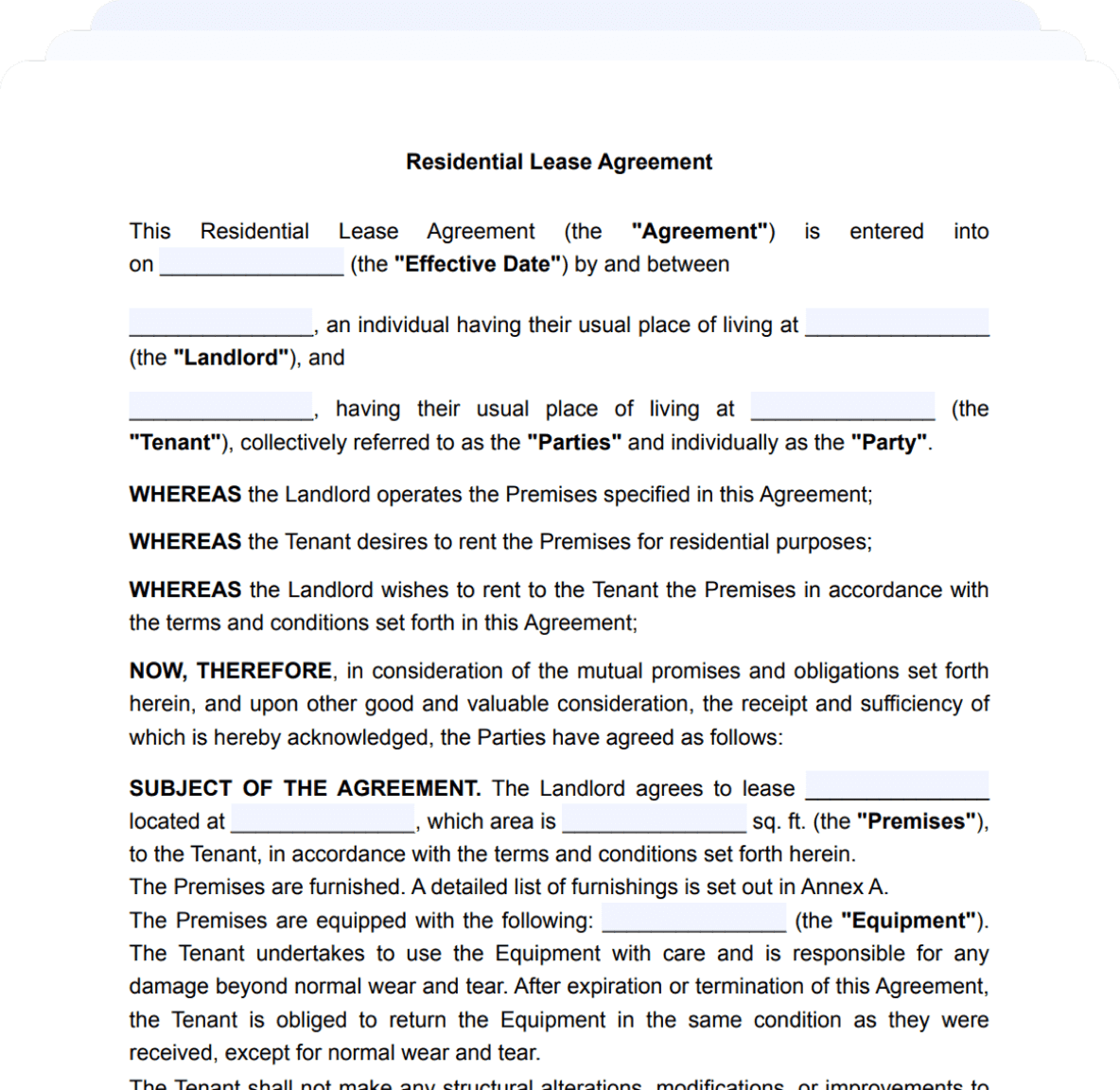
Skip the drafting.
Choose from 2,500+ templates
Browse templatesChoose a template
Fill in details
Sign and download