Updated July 24, 2026
How to Start a Photo Booth Rental Business: Complete Guide
How to Start a Photo Booth Rental Business: Complete Guide
- Choose What Kind of Photo Booth Business to Start
- Choose the Best Photo Booth Machine and Camera Setup
- Calculate Your Photo Booth Startup Costs Before You Buy Anything
- Register Your Photo Booth Business and Protect Yourself
- Handle Taxes and Financial Documents for a Photo Booth Business
- Build Photo Booth Rental Pricing Packages People Can Understand and Buy
- What Makes Wedding Packages Easier to Sell
- Why do prints still matter?
- Get Your First Photo Booth Bookings with Local Marketing
- Avoid the Mistakes That Kill a New Photo Booth Business
- Use a First Booking Checklist for Your Photo Booth Rental Business
Content
Starting a photo booth business can look easy from the outside, but the real challenge starts when you have to make practical decisions with real money. You are not just figuring out how to start a photo booth business. You need to know what people in your area actually book. You need a realistic startup budget, a setup you can manage at real events, and pricing that leads to profit, not stress.
If you have been searching for how to start photobooth business or how to start your own photo booth business, you are probably not looking for vague motivation. You need to know what to buy first, what can wait, what can go wrong at events, and what clients actually pay for.
This guide explains how to start a photo booth rental business step by step. You will learn how to validate local demand, choose the right equipment, protect yourself with the right business setup and contracts, build event packages, and get your first bookings. You will also avoid two common mistakes: copying competitors blindly and overspending on gear you are not ready to run well.
Choose What Kind of Photo Booth Business to Start
Before you compare hardware, decide what kind of service you want to sell. This is the real first business decision.
Which format is easiest for a beginner?
A photo booth business is not just “a booth for events.” A standard open-air booth, a 360 setup, and a roaming booth are different businesses in practice. They require different budgets, space, staffing, and client expectations.
A standard open-air booth is usually the easiest option for a beginner. It is easier to transport, works in more venues, and fits weddings, birthdays, school events, and private parties.
A 360 photo booth can look more premium, but it also needs more space, more supervision, and better crowd control. Someone usually has to direct guests, control the line, explain where to stand, stop people from jumping or crowding the platform, and keep the flow moving when guests freeze or get too excited. Operators in real-world discussions often mention that simple guest direction changes the quality of the event and the footage.
If you are starting a 360 photo booth business, make sure your market actually books it and that your venues can support it. A format that looks exciting on social media can still be the wrong first purchase if you mainly serve smaller halls, birthday parties, or venues with tight floor plans.
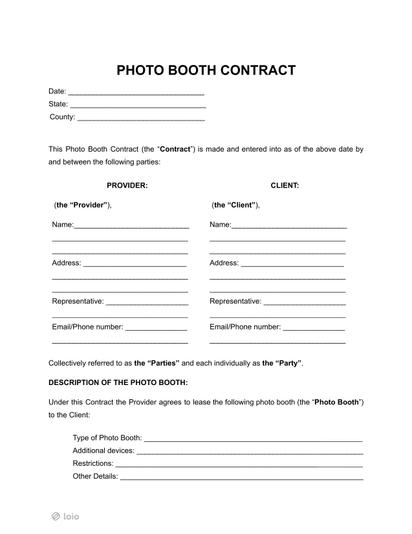
As you start shaping your offer, it is important to think early about how your service will be documented and protected. Even simple bookings can turn into disputes if timing, equipment use, or responsibility for damage is not clearly defined. Using a photo booth lease agreement helps you set clear terms around rental duration, fees, usage rules, and liability before the event, so expectations are aligned and problems are easier to avoid.
Which events are easiest to serve first?
The easiest way to choose is to look at the events you can serve well right now:
Weddings usually need a cleaner design and smoother communication.
School events reward speed and simpler pricing.
Private parties need quick setup and easy packages.
Corporate events often expect branding and faster digital delivery.
Brand activations can justify more visual formats, but usually demand tighter execution.
How do you check local demand?
Local demand matters. Review nearby vendors on Google, Maps, Yelp, venue websites, WeddingWire, The Knot, Facebook groups, and local Instagram posts. Pay attention to their pricing, package structure, event focus, and what reviews say about the experience.
That will tell you more than a simple competitor count. It helps you see what clients in your area actually book, what offers feel repetitive, and where there may be room for a stronger or more practical service. This kind of research can also show whether your market is better for weddings, school events, private parties, or 360 bookings before you spend too much on gear, branding, or ads.

Choose the Best Photo Booth Machine and Camera Setup
You can pick out equipment once you know what you want to market. The best setup is not always the one that looks best in photos. You can set it up quickly, fix problems under pressure, and trust it during a genuine event.
What does a minimum working setup include?
Your minimum working setup usually includes:
A camera or iPad.
A stand or booth shell.
Lighting.
A printer.
Photo booth software.
A backdrop, if your package includes one.
Power strips and extension cords.
Cases for transport.
Spare cables and backup accessories.
Should you choose an iPad or DSLR setup?
An iPad photo booth is usually easier for a beginner. It is lighter, faster to set up, and simpler to run at smaller events. A DSLR photo booth gives you more control and better image quality, but it also introduces more ways for the event to go wrong if your lighting, settings, or workflow are inconsistent.
The real question is not which camera is better. Which setup fits your:
Budget.
Set up speed.
Event type.
Skill level.
What matters most on event day?
when something small goes wrong. At an event, guests will forgive slightly less impressive hardware long before they forgive a booth that stops working, a printer that jams, a light stand that shifts, or a sharing flow that creates a long line.
Printer reliability matters just as much as camera choice. Real operator discussions also suggest that on-site printing remains a major selling point, not an outdated extra. In one Reddit discussion, a DSLR booth owner said the biggest missing item in a low-budget setup was a printer, since most events wanted prints onsite. In contrast, another operator said having prints helped level up bookings. A dedicated event printer is also a real startup cost, not a minor add-on. For example, the DNP DS-RX1HS is currently listed at about $695.00.
- Dark venues.
- Rushed load-ins.
- Tight floor plans.
- Limited power access.
- Late-night teardown.
- Guests who do not use the equipment gently.
- Stable mounts.
- Dependable lighting.
- Printer speed.
- Sharing flow.
- Cable management.
- Backup gear.
Should you buy used gear?
Be careful with used gear. A used shell, case, or backdrop frame can be a smart way to save money. A used printer, an unstable tablet mount, or an aging power setup can cost you more later if they fail during a paid event. Saving money matters, but reliability matters more.
Extra paper, wires, mounts, lights, and a second power plan are not advanced purchases. On the day of the event, they are what make your service more reliable.
Calculate Your Photo Booth Startup Costs Before You Buy Anything
The U.S. Small Business Administration recommends calculating startup costs before launch and organizing them into one-time expenses and monthly expenses so you can estimate how much capital you need, when you will need it, and when the business may become profitable. The SBA also notes that common startup costs often include equipment and supplies, licenses and permits, insurance, advertising and marketing, market research, and website development.
How should you structure the first budget?
The first budget should not just list what you want. It should separate:
One-time setup costs.
Recurring monthly costs.
Backup and replacement costs.
Costs that grow with each event.
What counts as a one-time cost?
Your one-time costs may include:
Booth hardware.
Printer.
Lighting.
Backdrop system.
Cases for transport.
Registration costs.
Website setup.
Branding basics.
To make this more concrete, a commonly used event printer like the DNP DS-RX1HS is about $695 right now. Business registration is often under $300, depending on your state and business structure. If you already own an iPad, your first setup may stay much leaner. If you need to buy more of the hardware from scratch, the total climbs quickly.
A rough one-time startup budget may look like this:
Booth shell or stand: $800-$2,000.
Printer: about $695.
Lighting: $100-$300.
Backdrop system: $100-$300.
Cases and transport gear: $100-$300.
Registration and setup costs: up to $300.
Website and basic branding: $100-$500.
That puts a realistic one-time startup budget for a lean beginner setup at roughly $1,895 to $4,395, not including an iPad, DSLR camera, or a 360 platform. If you are starting a more polished setup from scratch, the number can go higher.
What counts as a recurring cost?
Your recurring costs may include:
Software subscriptions.
Print media.
Replacement supplies.
Storage.
Insurance.
Website hosting.
Bookkeeping tools.
Advertising or lead-generation costs.
Some of these costs add up faster than beginners expect. Photo booth software can start at about $9 per week, while other tools cost about $30 per month.
Print media for the DNP DS-RX1HS is about $199.75 for 1,400 prints, or roughly $0.14 per print before waste and reprints.
General liability insurance may start at about $19 per month, though many businesses pay more depending on location, coverage, and risk.
A rough recurring monthly budget may look like this:
Software: $30-$40 per month.
Insurance: $19-$45+ per month.
Website hosting and tools: $10-$30 per month.
Bookkeeping tools: $0 to $30 per month.
Ads or lead generation: $100-$300+ per month.
Storage and replacement supplies: $20-$100+ per month.
That puts many beginners somewhere around $179 to $545+ per month, before travel, custom props, outsourced help, or heavy print volume. On top of that, print costs increase with bookings, at about $0.14 per print based on current media pricing.

Register Your Photo Booth Business and Protect Yourself
Once you are close to taking bookings, you need to stop thinking like a hobbyist.
What basic business setup do you need?
If you want to start a photo booth business legally, begin by choosing a business structure. The SBA says an LLC can protect personal assets in many cases, though that protection is not absolute. The agency also recommends opening a business bank account, obtaining any required licenses or permits, and securing business insurance as part of launch planning.
That does not mean every beginner must rush into a complicated structure before doing anything else. It does mean you need to make deliberate choices before you take money, sign agreements, or walk into venues with gear.
At a minimum, your setup should cover:
Business registration in your state or locality, if required.
An EIN if your structure or banking setup needs one.
A dedicated business bank account.
Any permits that apply locally.
A clear way to collect deposits and final payments.
The IRS states that you can get an EIN for free directly from the IRS, and warns against third-party sites that charge for it.
Why does insurance matter early?
It's important to keep your business finances separate for more than just bookkeeping. Wedding industry lawyers advise photo booth enterprises to keep their personal and corporate money separate. This is because mixing the two might make it harder for owners to protect their personal assets from business debts. The same advice also says that some venues may need vendors to have insurance before they can set up on-site.
Insurance should be part of your startup budget from the beginning. General liability coverage may start at around $19 per month for some small businesses, but many pay more depending on location, coverage limits, and risk.
Business insurance matters here, too. The SBA says business insurance helps protect against unexpected costs from accidents, disasters, and lawsuits. That matters in a photo booth business because guests interact with your setup, venues can impose restrictions, and event timelines leave little room for conflict.
What should every contract cover?
This is also where contracts stop being optional. Every paid event should have a written agreement that clearly covers:
Event date and time.
Load-in and setup access.
Package inclusions.
Deposit amount.
Final payment deadline.
Cancellation and rescheduling.
Overtime.
Guest damage or misuse.
Weather or force majeure.
Delivery timing for prints, gallery links, or final assets.
A vague contract turns small misunderstandings into expensive ones. If the client assumes setup starts whenever the room opens, and you assumed you would get one hour of access beforehand, that problem becomes yours on event day.
Venue policies, floor plans, insurance requirements, and client PDFs are not always easy to review quickly, especially when details change close to the event. A PDF editor tool makes it easier to update details, highlight restrictions, and keep event documents usable before the event. A dedicated photo booth contract can help you define those terms early, while both sides are still calm and aligned.
One of the most human things about this profession is that many problems don't start as legal ones. They begin as guesses. The client thinks you can get ready in twenty minutes. The venue thinks you already know how to get there. You think there will be power at the booth's location. A good contract is helpful because it makes these elements clear before the event.
Handle Taxes and Financial Documents for a Photo Booth Business
Once you start taking paid bookings, taxes and paperwork are no longer optional. A lot of beginners focus on equipment and pricing, but get surprised later by tax filings, missing forms, or messy records that make reporting income harder than it should be.
If you are running a photo booth rental business as a self-employed owner, you are usually responsible for reporting your income and tracking your expenses throughout the year, not just at tax time.
What tax forms you may need
Most photo booth business owners fall into one of these situations:
Sole proprietors / single-member LLCs. You typically report income and expenses using Schedule C (Form 1040).
Self-employment tax. If your net earnings are $400 or more, you usually file Schedule SE.
Quarterly estimated taxes. Many small business owners pay taxes during the year using Form 1040-ES to avoid penalties.
These are not “advanced” steps. They are part of running the business correctly from the start.
The IRS says you generally must pay self-employment tax if your net earnings from self-employment are $400 or more, which is why even a small photo booth business cannot afford to ignore recordkeeping early on.
Why financial tracking matters early
- Equipment purchases.
- Software subscriptions.
- Travel costs.
- Print supplies.
- Insurance.
- Deposits and partial payments.
- How much do you actually earn per event?
- Which packages are profitable?
- How much to set aside for taxes?
That is how people think they are making money, but actually are not.
Separate business and personal finances
One of the simplest but most important steps is opening a dedicated business bank account.
It helps you:
Keep clean records for tax reporting.
Avoid mixing personal and business expenses.
Show financial separation if you are operating as an LLC.
Mixing finances is one of the fastest ways to create problems later, both for tax purposes and for liability.
Use templates to avoid missing documents
Instead of recreating everything manually, it is easier to use ready-made templates for recurring tasks.
You can also find common legal and financial document templates in Loio’s library, including forms related to business operations and agreements, which helps keep your paperwork consistent instead of improvising every time.
Build Photo Booth Rental Pricing Packages People Can Understand and Buy
Bad pricing usually starts with one bad assumption: that you are charging only for the time the booth is open.
You are not.
A real package usually includes travel, load-in, setup, testing, live support, troubleshooting, teardown, and follow-up. If your photo booth rental pricing only reflects visible booth hours, you are probably hiding unpaid labor inside every booking.
What is the easiest package structure to start with?
The easiest starter structure is:
A basic package.
A mid-tier package.
A premium package.
That is enough for most beginners. The point is not to sound fancy. The point is to help buyers compare clearly.
Booth hours.
Set up and teardown.
On-site support or attendant time.
Print allocation, if included.
Digital sharing.
Basic template or overlay customization.
Standard travel within a defined area.
Extra prints.
Idle hour coverage.
Extended travel.
Premium backdrop options.
Extra attendants.
Branded screens or custom event assets.
360 upgrades.
Rushed delivery or last-minute changes.
Why do beginners underprice?
A smart pricing strategy packages rental hours, prints, and digital sharing in a way that reflects your real labor, setup time, support level, and event conditions, not just a number copied from a local competitor. In other words, your pricing strategy packages rental hours, prints, and digital sharing around the full job, not just the visible booth time.
This is where many new owners quietly lose margin. Clients often assume setup, teardown, waiting during dinner, extra prints, and minor customizations are included. If you do not define these boundaries, you end up donating labor and materials without noticing it until the event is over.
Another beginner mistake is making packages too complicated. If a client has to decode your pricing, compare ten add-ons, and email you twice just to understand what is included, your conversion rate drops before price even becomes the issue.
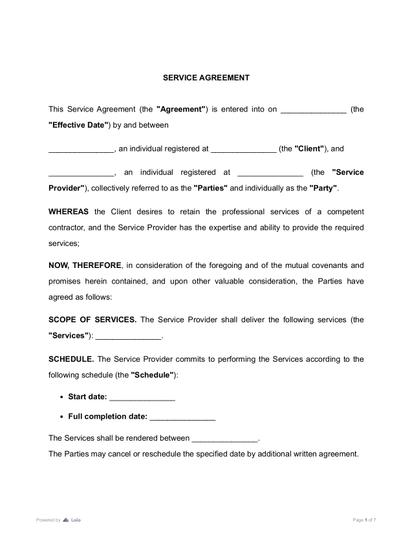
A clear service contract also helps here, because it lets you match each package to specific deliverables, payment terms, and extra charges before the client assumes something is included for free.
What Makes Wedding Packages Easier to Sell
Weddings are not just another event type. They are usually the first category where presentation, trust, and smooth logistics matter as much as the booth itself.
What do wedding clients care about most?
A wedding buyer usually wants quick answers to a few practical questions:
Will the booth look clean in the room?
Will guests actually use it?
Will someone need to manage it?
Will prints be ready onsite?
Will this create stress on the wedding day?
What should a wedding package include?
That is why wedding packages are often easier to sell when they include:
A clean backdrop or open-air design that fits formal decor.
Instant prints, not just gallery delivery later.
One clear guest book option, if you offer one.
Custom overlays with names, initials, or the date.
An attendant, if the setup needs active guidance.
A defined setup window and breakdown plan.
Why do prints still matter?
Prints deserve special attention here. In operator discussions, prints are still described as a major booking driver because guests take them back to their tables, keep them after the event, and treat them as part of the experience, not just a file transfer.
Weddings also show a weaker workflow faster than birthdays do. If the booth is in the wrong spot, the queue gets too long after dinner, or the setup takes longer than planned, the problem seems worse because the event is on a tighter schedule and people have higher expectations. A wedding package shouldn't merely sound fancy. It should help the buyer not become tired of making decisions.
Get Your First Photo Booth Bookings with Local Marketing
Many new booth owners spend too much time posting and not enough time building a booking path.
What should you set up first?
If you want steady first bookings, focus on three things:
Being findable locally.
Being easy to trust.
Being easy to book.
Google says you can add or claim a Business Profile and verify it so your business can appear on Search, Maps, and other Google services. For a local service business, that matters because many early buyers search by city and service type, not by brand name.
That means your early marketing should include:
A Google Business Profile.
A simple website or service page.
Clear city + service wording.
Real event photos.
A booking inquiry path that does not feel confusing.
How do you get leads from venues and vendors?
Venue partnerships matter too, but only when they are relevant. DJs, venues, planners, coordinators, and other event vendors can become repeat lead sources when your setup is easy to work with, and your packages are easy to explain.
What content actually helps people book?
Reviews matter because they answer the buyer’s most important question: will this vendor actually show up, set up smoothly, and deliver what they promised?
Your content should prove that the service works in real life. A short load-in clip, one clean shot of the booth running at an event, one close-up of the print design, and one testimonial from the host usually do more than a polished montage with no context. Buyers are not just looking for “fun.” They are looking for proof that you can handle an event without creating friction.
Social content still helps, but it should support the booking funnel rather than replace it. Good content shows:
Real event setup.
Real guest interaction.
Booth output.
Clean package presentation.
Short proof that the experience works.
Avoid the Mistakes That Kill a New Photo Booth Business
This business looks easy from the outside, which is exactly why beginners make expensive mistakes.
The biggest ones are:
Buying gear before validating the offer.
Underpricing to get traction.
Offering too many booth types too early.
Using weak contracts.
Taking deposits without clear terms.
Having no backup plan for the printer, lighting, cables, or power.
Promising more than the setup can deliver.
Ignoring venue load-in and teardown logistics.
One bad event can cost more than money. It can cost referrals, reviews, and confidence.
What venue problems do people miss early?
Venue logistics are among the most common beginner blind spots. Confirm parking, stairs, elevator access, booth footprint, outlet location, tape restrictions, setup window, and teardown timing before event week. Some venues may also require proof of insurance before vendors can set up onsite.
When venue policies or client PDFs get long and messy, AI contract review can help you review key terms faster and catch setup restrictions, access rules, or liability language before the event.
Use a First Booking Checklist for Your Photo Booth Rental Business
Before your first paid event, stop relying on memory.

More guides
July 25
12 min read
How to Register a Company in the US: What No One Tells You in 2026
September 1
7 min read
How to Provide Proof of Employment: Documents and Steps
October 15
How to Start a Staffing Agency: Licensing, Pricing, and Cash Flow
July 25
12 min read
How to Start a Flooring Business and Get Your First Clients in 2026
October 8
8 min read
A Comprehensive Guide to Starting a Child Care Business
July 22
10 min read
How to Start a Storage Unit Business: What You Need to Know
One home for your
agreements
Edit PDFs seamlessly
Tweak agreements before signing or sending for signatures. Update details, add or remove clauses, adjust formatting, and redline changes instantly.
eSign legally and securely
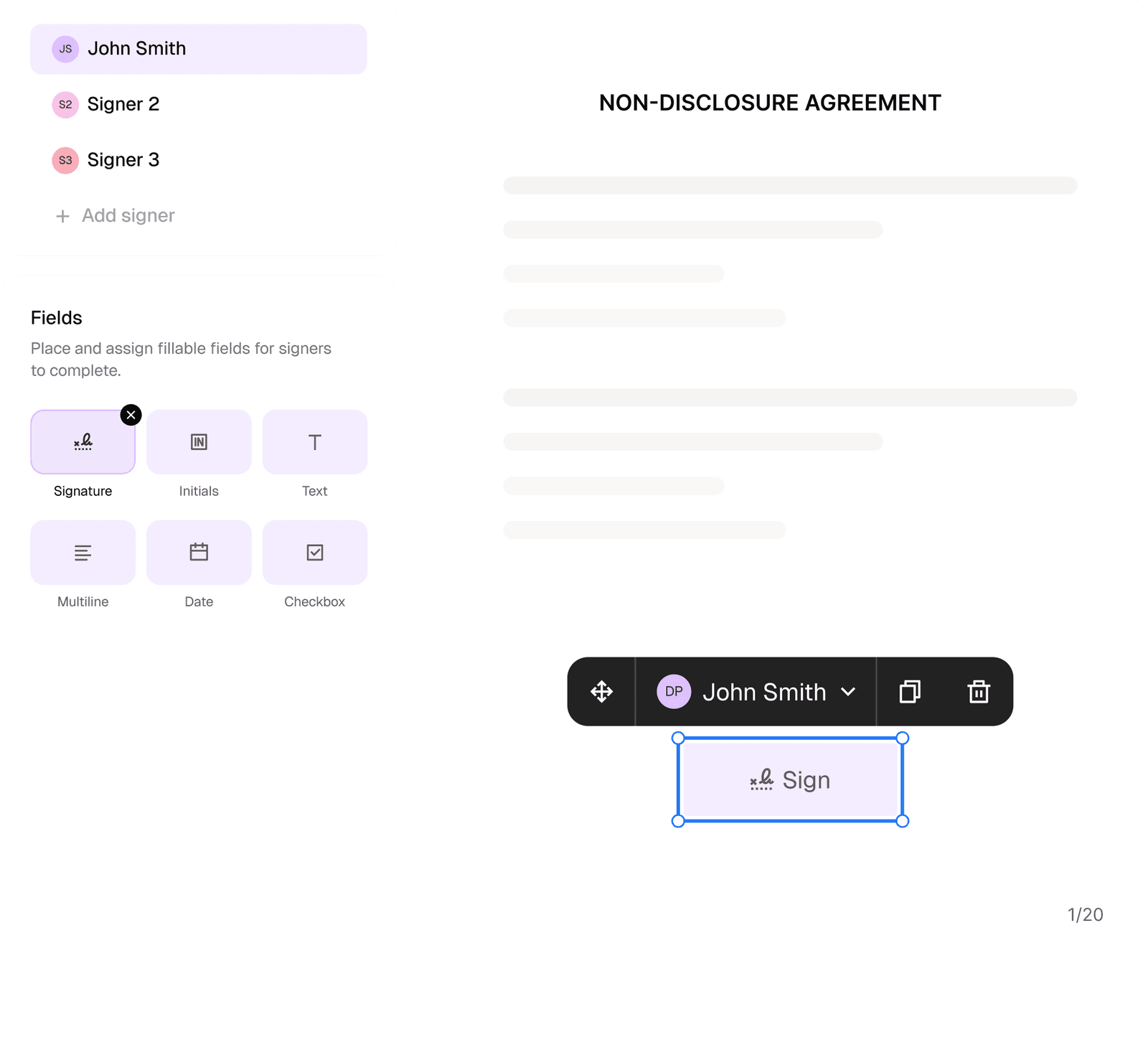
Sign documents and collect legally binding signatures. Invite up to ten people to sign in any order, track the progress, and send reminders.
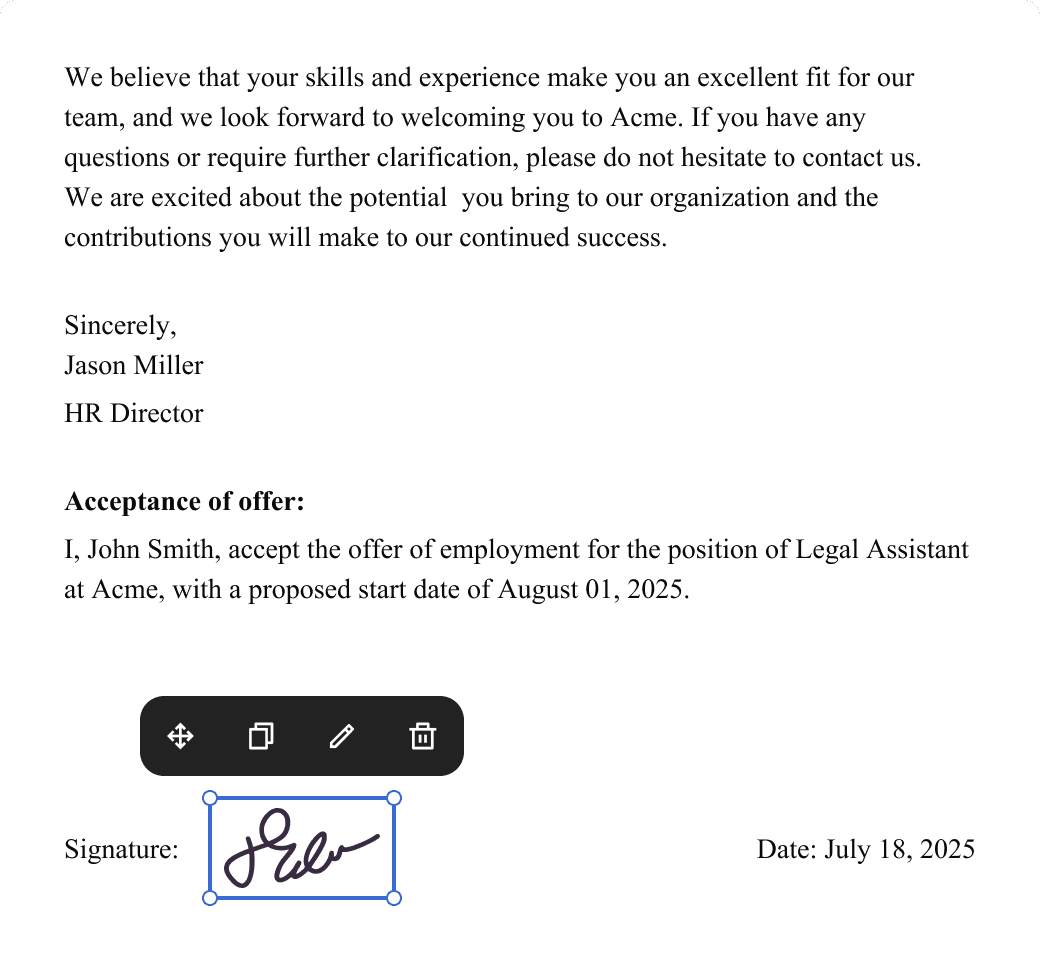
Request legally binding signatures
Invite up to ten people to sign your document in any order. Get a finalized, audit-ready copy without chasing signatures.
Skip the drafting.
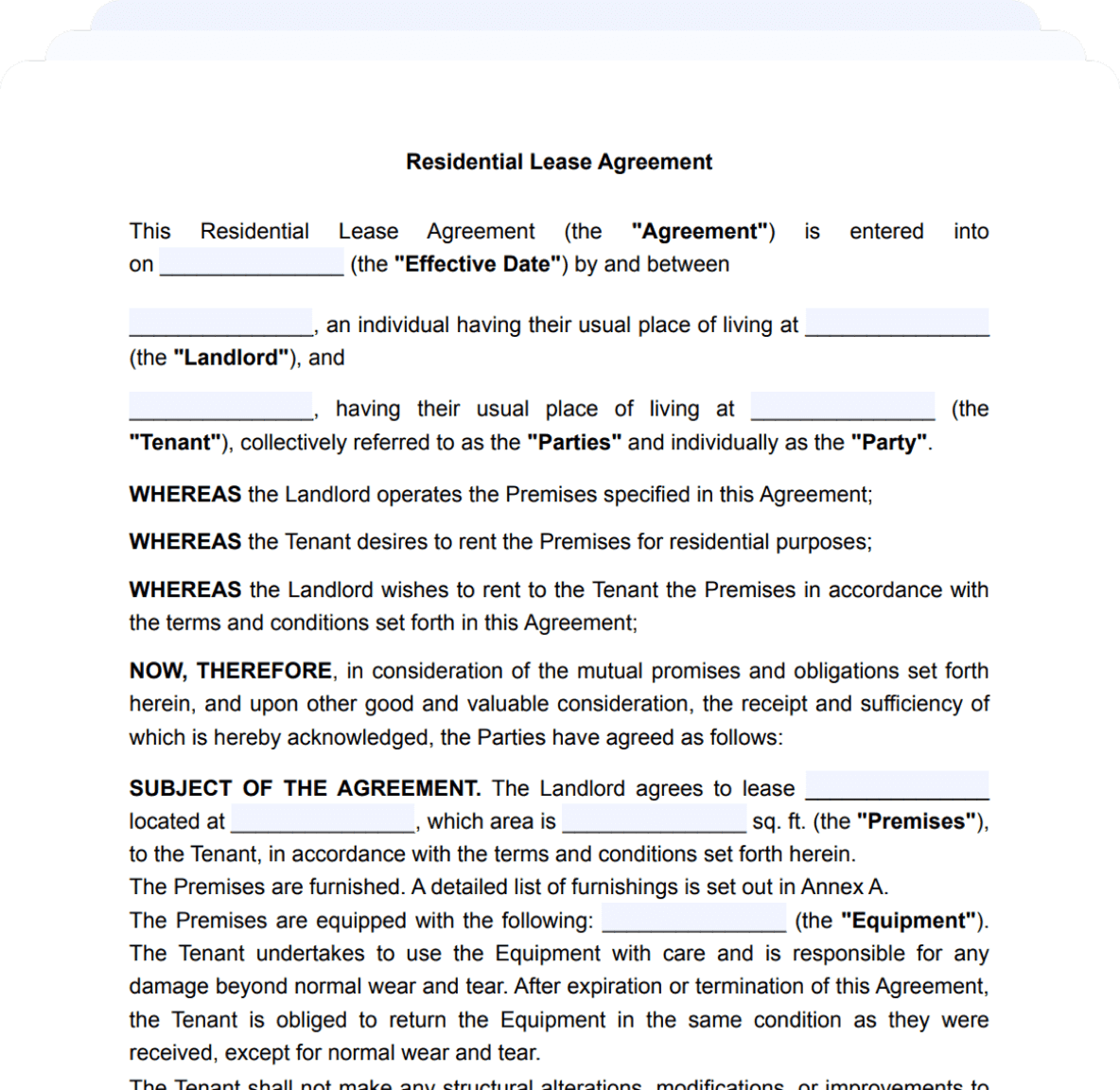
Choose from 2,500+ templates
Browse templatesChoose a template
Fill in details
Sign and download