Updated September 9, 2026
8 min read
First-Time Landlord Checklist & Guide
First-Time Landlord Checklist & Guide
- Becoming a Landlord for the First Time: What It Involves?
- Learn the Laws and Rental Requirements for Landlords That Apply to Your Property
- How to Set Up a Rental Property Before Listing It
- Set a Rental Price
- Screen Tenants Consistently and Legally
- Create a Strong Lease Agreement
- Build a Simple System for Managing the Rental
- 4 Most Common Mistakes New Landlords Make
Content
Owning a rental property can give you steady income, but many underestimate how much work happens behind the scenes. Collecting rent is only one part of the process. Landlords also deal with maintenance requests, lease agreements, legal rules, tenant screening, inspections, and financial tracking.
In 2026, rental rules continue changing across many states and cities. Fair housing enforcement is stricter, tenant protections are expanding in some areas, and documentation matters more than ever.
This first-time landlord guide explains what new landlords should prepare before listing a property, how to manage tenants properly, and which mistakes create the biggest legal and financial problems later.
Becoming a Landlord for the First Time: What It Involves?
Many people start researching how to rent out your house without realizing how many responsibilities continue after a tenant moves in. While some call it a good source of passive income or a “side-hustle,” real estate works more like a small business. Landlords usually handle:
Rent collection
Repairs and maintenance
Lease agreements and notices
Tenant communication
Property inspections
Financial tracking
Legal compliance
Emergency situations
Estimate your real costs beyond the mortgage
Mortgage payments are only part of the total cost of owning a rental. Smaller expenses quickly add up during vacancies or repair periods and should not be underestimated. Common landlord expenses include:
Property taxes
Insurance
Repairs
Utilities during vacancies
Landscaping
Appliance replacement
Legal or accounting fees
Cleaning and turnover costs
Older properties often need more maintenance than new landlords expect. Issues like water leaks, plumbing problems, heating failures, or roof damage can appear suddenly and affect both tenant safety and rental income.
Vacancies also cost more than many people realize, because every empty month usually means lost rent while you still pay utilities, taxes, insurance, and maintenance. Anyone becoming a landlord for the first time should build an emergency reserve before listing the property.
Decide whether to self-manage or hire a property manager
Some landlords prefer managing the property themselves and others hire a property manager to handle daily operations. Self-management gives you more direct control over tenant communication, repairs, screening, lease enforcement and scheduling.
Property managers can help with advertising, inspections, rent collection, maintenance coordination, and legal notices. This option is useful for owners who travel frequently, live far from the property, or own multiple units.
Before deciding how to set up a rental property, think realistically about how involved you want to be once tenants move in.
Learn the Laws and Rental Requirements for Landlords That Apply to Your Property
Many landlord problems begin because owners rely on general advice instead of checking their own state and local rules. Rental laws can vary heavily between cities.
Federal fair housing rules every landlord must follow
Every landlord should understand the Fair Housing Act before advertising or screening tenants. Federal fair housing rules prohibit discrimination based on protected characteristics: race, color, religion, sex, disability, familial status, or national origin.
Fair housing complaints do not always involve intentional discrimination. Problems may appear when landlords apply different standards to different applicants or ask inappropriate questions during conversations. For example:
Advertising preferences for certain types of tenants
Applying different income rules to applicants
Refusing reasonable disability accommodations
Steering families toward specific units
Some states and localities also prohibit discrimination based on source of income, including housing vouchers.
State and local rental laws can be very different
Federal rules are only one part of the legal picture. State and city laws often create additional requirements for landlords.

California, New York, Oregon, and several large cities continue expanding tenant protections in 2026. Some locations now require very specific notices and timelines before landlords can raise rent or begin eviction proceedings.
Check local landlord-tenant laws every year to prevent outdated lease language and compliance mistakes.
Understand when a tenant can legally withhold rent or sue
Tenants generally have the right to safe and livable housing. Serious maintenance problems sometimes allow tenants to file complaints, withhold rent, or pursue legal action depending on local law. Disputes often involve:
Heating or plumbing failures
Mold or water damage
Pest infestations
Unsafe electrical systems
Repeated ignored repairs
Improper security deposit deductions
Landlords also face legal risk when entering units improperly or retaliating after tenant complaints. Many disputes become harder to defend when repair requests were handled informally through phone calls or undocumented conversations.
How to Set Up a Rental Property Before Listing It
Small maintenance issues often become larger legal and financial problems after move-in. Any guide to being a landlord would emphasize prevention rather than quick cosmetic fixes.
Complete safety and habitability checks
Before listing the property, inspect all major systems carefully.
Poor maintenance can create unsafe conditions that lead to tenant complaints, lawsuits, insurance issues, or expensive emergency repairs later. Routine inspections also help identify hidden problems before tenants depend on those systems daily.
Document the property’s condition
Detailed move-in records help protect both landlords and tenants later. Before tenants move in, always document walls and flooring, appliances, windows and doors, any existing damage, outdoor areas, and utility meter readings.
Photos and videos create a much clearer record than memory alone. Many security deposit disputes begin because neither side documented the property condition carefully at move-in.
Organized records are a major part of any reliable rental property guide because disputes often depend on documentation instead of verbal explanations.
Decide on rules and policies you want to set
Clear rules reduce confusion later. Your policies may cover pets, smoking, parking, guests, noise, maintenance requests, rent payment methods, and subleasing, etc.
Written policies also help apply rules consistently between tenants. Anyone researching how do you rent out a house should understand that unclear policies usually create bigger problems than strict policies.
Set a Rental Price
A price that is too high may leave the property vacant for months. A price that is too low may attract rushed applications and reduce your ability to cover repairs and future costs. Research similar local rentals based on:
Property size
Condition
Location
Parking
Included utilities
Lease length
Amenities
Don’t overprice your first rental
Your personal attachment to the property may not always match local market demand. Long vacancies usually cost more than slightly lower rent. Empty units still require maintenance, insurance, utilities, and mortgage payments.
The 2026 rental market is also changing in many cities. Some areas continue seeing affordability pressure while others now have more available inventory. This means you need to monitor local rental activity closely instead of assuming prices will continue rising automatically.
Decide how you will handle deposits and fees
Security deposits and application fees are heavily regulated in many states. Before listing the property, decide:
How much deposit you will charge
Whether pets require additional deposits
Which payment methods you accept
How deposits will be stored
What deductions may apply after move-out
Many states now require detailed itemized deductions within strict timelines.
Learning about local rental property requirements early helps avoid disputes involving deposit returns later.
Screen Tenants Consistently and Legally
Tenant screening is one of the most important parts of successful property management. Strong screening focuses on consistency, documentation, and clear criteria.
Create standard screening criteria before you list
Establish your screening standards before applications arrive. Common screening criteria include minimum income levels, credit history, rental history, employment verification, occupancy limits, and background checks.
If you use a consumer report for tenant screening and take an adverse action based partly or entirely on that report, the FCRA requires an adverse-action notice explaining the applicant’s rights and identifying the consumer reporting agency.
Apply the same standards to every applicant to reduce discrimination risk and keep the process organized. A detailed rental application form also helps collect consistent information from every applicant.
Verify income, employment, and rental history
Income verification helps confirm whether tenants can realistically afford monthly rent. Landlords commonly request pay stubs, tax returns, bank statements, employer verification and previous landlord references. If applicants send these as phone-camera scans, make the scanned PDF searchable before filing them, so you can search your records quickly later.
Good rental verification processes often reveal problems that basic applications miss. Previous landlords may help confirm:
Payment history
Property condition after move-out
Lease violations
Noise complaints
Communication problems
Some landlords also send a rental application approval letter after final review to create a clear written acceptance record.
What questions and policies may create legal problems
Tenant conversations can create legal risk when landlords ask questions unrelated to screening standards. Avoid questions about religion, disability, pregnancy, family plans, national origin, or medical conditions.
Policies that seem neutral can also create problems if they affect applicants inconsistently. That’s very important for landlords handling first-time renter houses where screening decisions may feel more informal or personal.
Create a Strong Lease Agreement
Many disputes begin because landlords rely on vague templates or verbal explanations instead of detailed written agreements. A strong lease is one of the most important parts of learning how to run a rental property successfully.
Every lease should clearly explain the basics
Before signing a lease, use this checklist to make sure the agreement clearly covers the basics:
Rent amount
Payment due dates
Lease term
Security deposits
Utility responsibilities
Maintenance responsibilities
Occupancy limits
Late fees
For most housing built before 1978, federal law requires landlords to disclose known lead-based paint hazards before the tenant signs the lease. Landlords must also provide available lead-related records and the EPA’s Protect Your Family From Lead in Your Home pamphlet, and include the required Lead Warning Statement in the lease or an attachment.
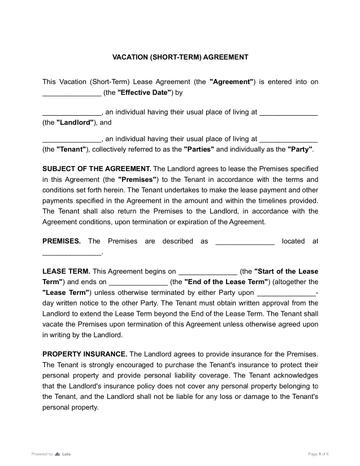
Some landlords prefer longer fixed leases while others use a month-to-month rental agreement for flexibility. Short-term properties may also require a separate short-term rental agreement depending on local regulations and rental duration. Landlords renting rooms within occupied homes sometimes rely on a room rental agreement to clarify shared living expectations.
- Room Rental Agreement
 4581 downloads
 - Short-Term/Vacation Lease Agreement
 6254 downloads
Include policies that prevent future disputes
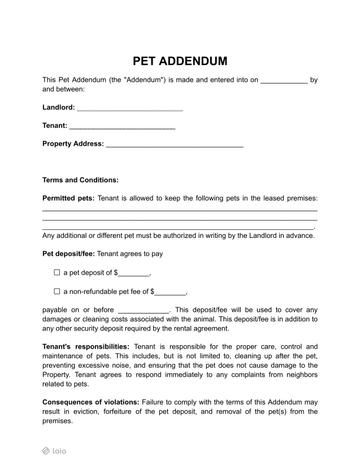
Strong leases usually explain how common situations will be handled before disagreements happen. Important policies may include maintenance request procedures, guest limitations, parking rules, entry notices, pet policies, smoking restrictions, and early termination procedures.
Clear policies reduce confusion because tenants understand expectations from the beginning. Many landlords can also benefit from our online eSign tool to simplify lease signing and maintain organized records for future reference.
Keep signed copies and important notices organized
Good recordkeeping becomes extremely important once tenants move in. Landlords should keep copies of, among others:
Lease agreements
Addendums
Inspection reports
Repair invoices
Notices
Payment records
Communication logs
When agreements become difficult to review, an AI contract review tool can help you quickly review documents and contracts to spot red flags and identify unclear terms before larger disputes develop.
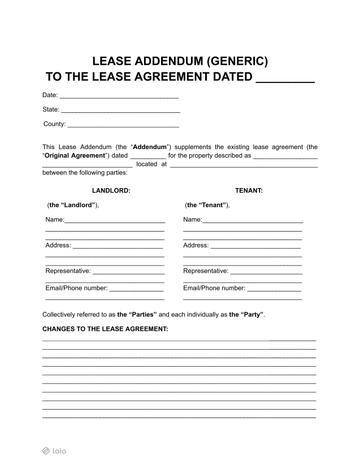
With our online PDF editing tool, you can also update notices, lease addendums, and agreements more efficiently when property rules or tenant situations change.
- Lease Addendum
 8459 downloads
 - Pet Addendum Form
 8737 downloads
Build a Simple System for Managing the Rental
A rental property becomes much easier to manage when systems are organized early. Landlords who rely entirely on memory usually struggle more once repairs, payments, notices, and multiple tenants overlap.
Track rent, repairs, and expenses from day one
Good financial records help with taxes, budgeting, and future disputes. Always track rent payments, maintenance costs, utility expenses, vendor invoices, appliance purchases, and insurance payments.
The IRS also expects landlords to maintain records supporting rental expenses and deductions. Anyone learning how to run a rental property should treat documentation like part of daily operations instead of optional paperwork.
Respond to maintenance requests quickly
Even small leaks can turn into water damage, and minor electrical issues may become safety hazards. Ignored tenant complaints also increase frustration and legal risk.
Tenants are usually more cooperative when landlords respond consistently and communicate clearly about repair timelines. Maintenance logs will also help show when problems were reported and how they were handled.
Keep communication professional and written
Friendly communication is key, but written communication protects everyone when disagreements appear. Important discussions should usually happen through email, tenant portals, text messages, and written notices. Written records help clarify:
Payment discussions
Repair requests
Lease violations
Move-out expectations
Notice delivery
This is especially important for landlords still taking their very first steps through the guide to renting a house.
4 Most Common Mistakes New Landlords Make
Most expensive landlord problems come from preventable mistakes. Good systems and realistic expectations usually make all the difference even if your property is not perfect.
Treating the rental like informal side income
Rental properties require ongoing management, documentation, and legal compliance. Landlords often struggle with missing records, inconsistent screening, delayed repairs, deposit disputes or unclear lease terms.
Using a structured first-time landlord checklist will help you stay organized before tenants move in.
Using outdated lease templates
Rental laws change regularly. Generic leases that weren’t customized properly often miss local disclosures, notice rules, or updated legal requirements. Poor lease language may also create confusion about maintenance responsibilities, fees, or tenant obligations.
Anyone researching renting a house requirements should review lease agreements carefully before relying on templates.
Templates are a great tool for new landlords but using them doesn’t mean they shouldn’t research local laws and compliance requirements. Always customize any template carefully depending on your situation.
Ignoring local housing law updates
Housing laws continue evolving in many states and cities. New rules may affect rent increases, screening procedures, eviction notices, deposit limits and disclosure requirements.
Follow local updates to avoid outdated practices that create compliance problems later. This is one of the most overlooked rental requirements for landlords in 2026.
Waiting too long to address problems
Small problems rarely stay small for long. Unpaid rent, unauthorized occupants, lease violations, or ignored maintenance requests become more expensive once they continue for months.
Many people searching for a landlord guide or guide to renting a house focus heavily on getting tenants into the property. Long-term success usually depends more on organization, communication, and consistency after move-in.
Learning all the ins and outs of how to run a rental property well takes preparation, but strong systems make the process much easier over time. Always rely on clear leases, organized records, fair screening, and consistent communication to prevent many of the potential issues discussed above. Whether or not you rely on a guide to being a landlord, treating the property like a real business from the beginning.
More guides
September 1
7 min read
How to Provide Proof of Employment: Documents and Steps
September 16
9 min read
Lease vs. Rent: What’s the Difference and What to Choose
September 11
10 min read
Rules for Renting a Room in Your House: How to Become a Landlord
September 4
How To Break a Lease in Florida Without Penalties
September 3
12 min read
The Biggest Red Flags on a Rental Application Explained
September 8
10 min read
What Is the Difference Between Joint Tenancy and Tenancy in Common?

One home for your
agreements
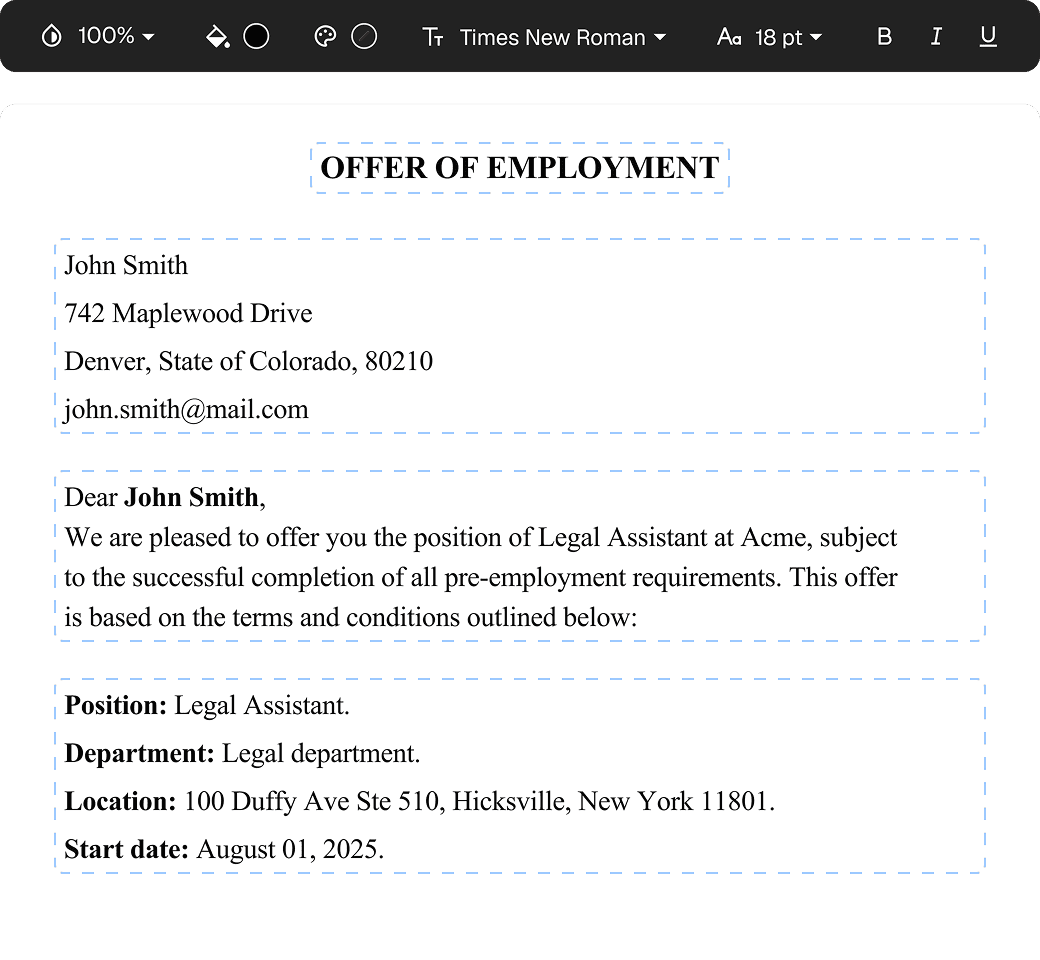
Edit PDFs seamlessly
Tweak agreements before signing or sending for signatures. Update details, add or remove clauses, adjust formatting, and redline changes instantly.
eSign legally and securely
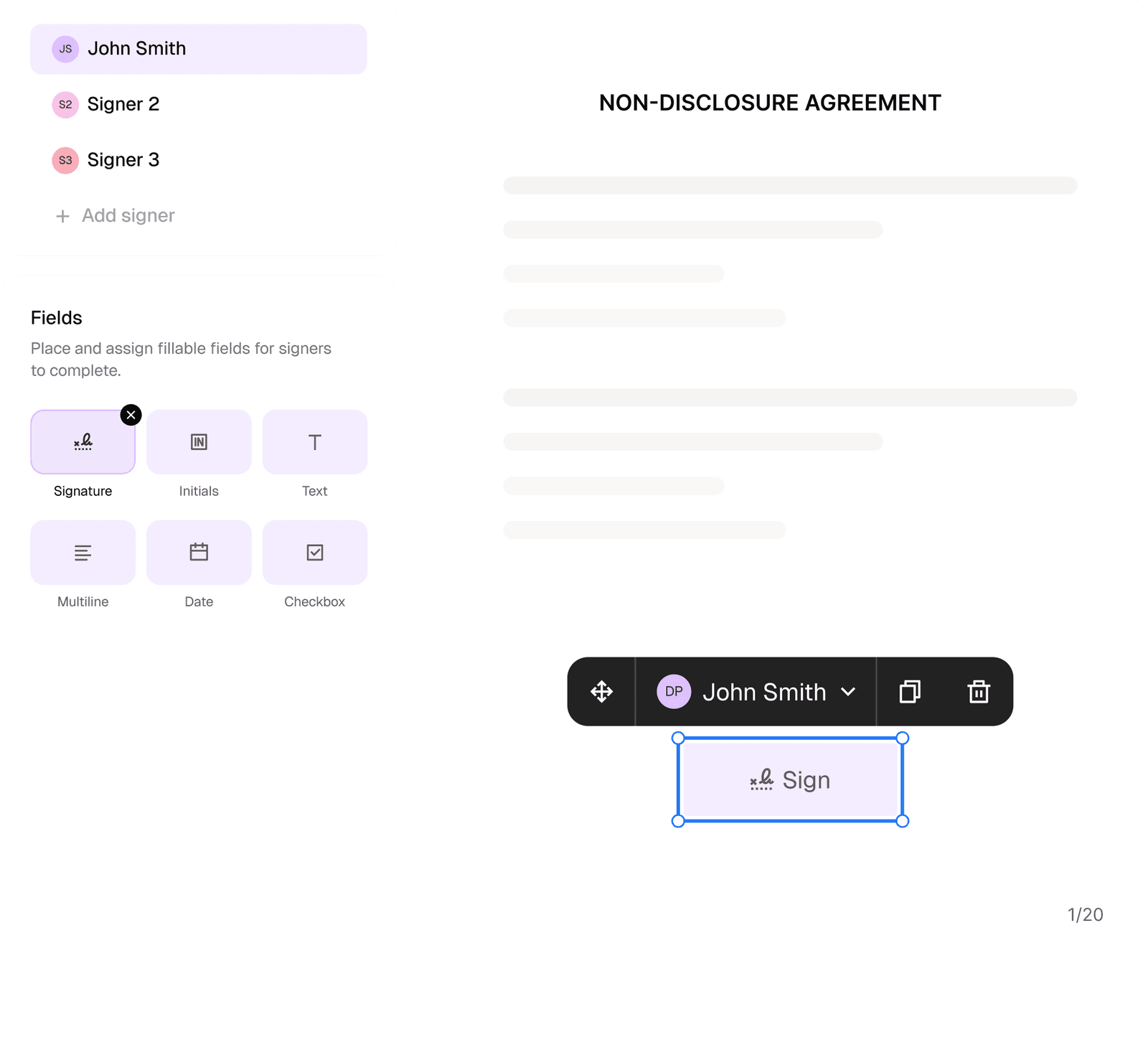
Sign documents and collect legally binding signatures. Invite up to ten people to sign in any order, track the progress, and send reminders.
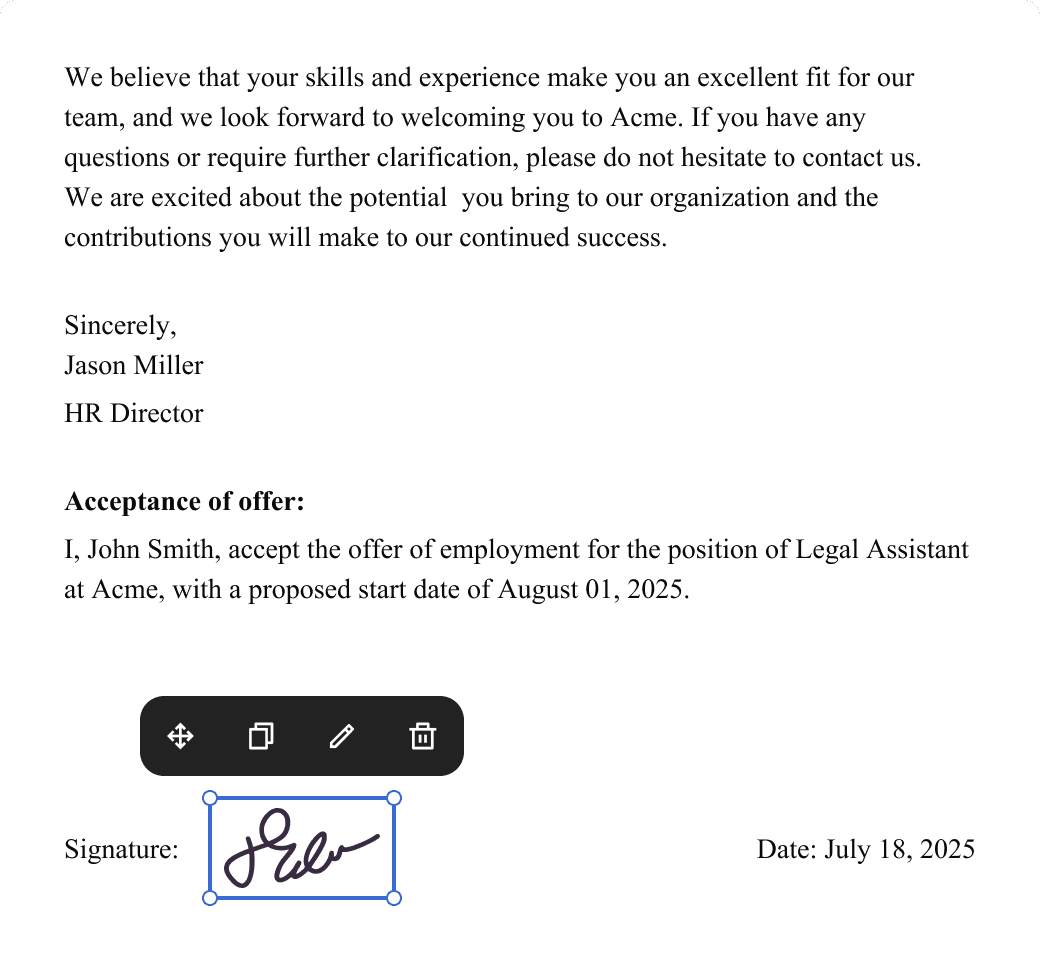
Request legally binding signatures
Invite up to ten people to sign your document in any order. Get a finalized, audit-ready copy without chasing signatures.
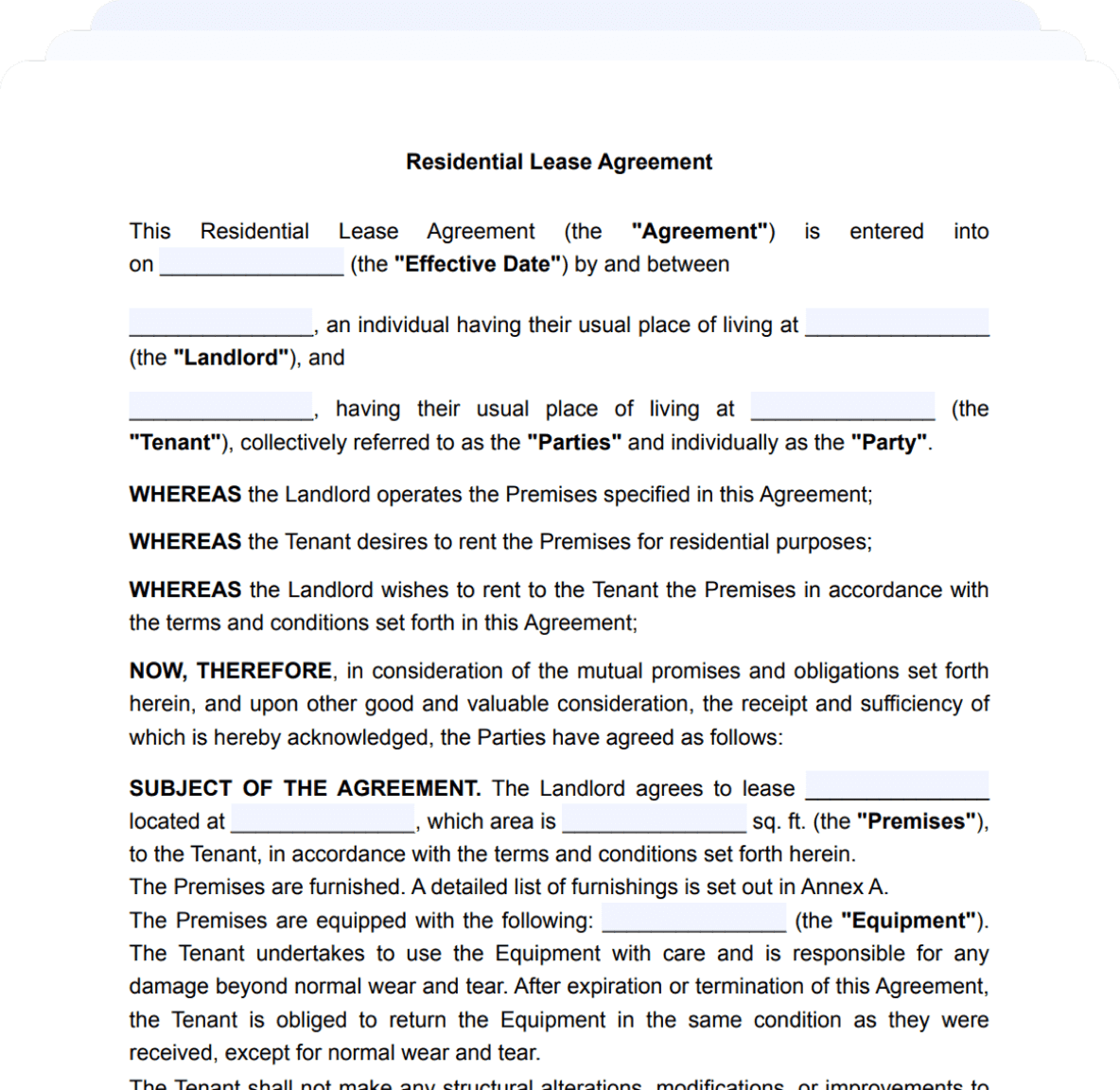
Skip the drafting.
Choose from 2,500+ templates
Browse templatesChoose a template
Fill in details
Sign and download