Updated September 16, 2026
9 min read
Lease vs. Rent: What’s the Difference and What to Choose

Lease vs. Rent: What’s the Difference and What to Choose
Content
In 2025, renters constituted 80% of all household growth. While buying a home remains a difficult goal, millions of Americans are navigating the housing market by signing contracts rather than taking out mortgages. But many people treat the words “rent” and “lease” as synonyms — legally, though, they have different meanings. This article explains the difference between rent and lease, which one suits your situation, and how to watch for hidden risks as a tenant or landlord.
Rent vs. Lease: What’s a Lease Agreement?
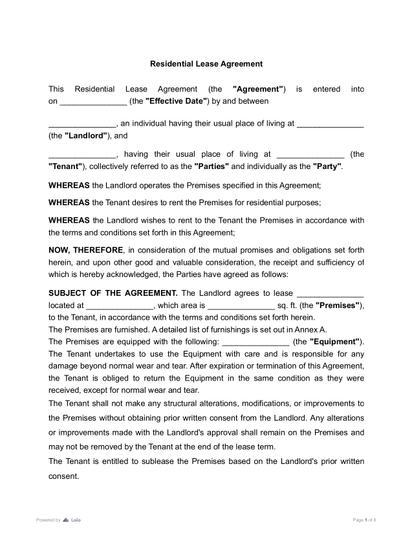
A lease agreement, when properly executed, is a legally binding contract in which the property owner grants the tenant the right to occupy and use a specific property (such as an apartment) in exchange for regular payments. The lease provides a long-term fixed tenancy; both sides trade the flexibility they could have gotten for stability and protection.
A lease is most suitable for tenants who look to establish roots, such as placing children in a local school district or staying close to a permanent job. At the same time, landlords choose the lease when they want to minimize turnover and secure a stable cash flow.
Advantages/disadvantages of a lease
The lease has multiple advantages, but being aware of the potential drawbacks will help you decide whether it’s what you need at the moment.
Advantages of a lease are:
Predictable financial planning. Both sides benefit from having a stable financial position — whether to predict their return on investment (ROI) for a year ahead or to plan expenses for months to come. A lease eliminates uncertainty and provides protection against sudden market fluctuations or cost increases.
Eviction protection. Tenants don’t have to fear eviction simply because a landlord feels like it or wants to rent to someone else. Otherwise, they may receive an eviction notice informing them to leave the premises.
Lower operational burden. Finding new tenants is exhausting and time-consuming. Plus, a landlord typically has to go through “empty” months when no one is renting the property. A lease ensures that once a qualified tenant is found, the vacancy risk drops.
And yet, a lease agreement presents several disadvantages:
Mobility restrictions. For a tenant, a lease can be a barrier if their life suddenly changes and they have to move across the country. Breaking a lease early can result in losing your security deposit, facing lawsuits for the remaining rent balance, or taking a massive hit to your credit score.
Missed potential market gains. If prices in the area skyrocket, a landlord will miss out on the increase because they will use the old price until the end of the lease.
Difficult contracts. Sometimes, a tenant and a landlord simply don't match — personality-wise or because the other party is objectively difficult. They can’t simply break the lease in a day without consequences.
Because failing to notice a hidden risk can lead to a severe financial loss, take your time reviewing a contract. If you need a second glance, an AI contract reviewer can identify red flags for you.
Types of lease
- 1
Fixed-term residential lease. The standard long-term contract that locks in the rent price and duration for a specific residence.
- 2
Commercial lease. Used for business spaces (retail, office, industrial). Commercial tenants often choose between NNN and gross leases, facing an entirely different set of conditions.
- 3
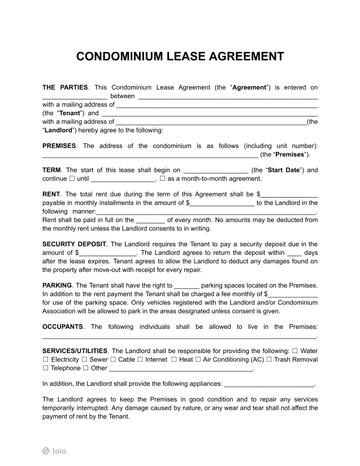
Condo lease. A specialized residential lease that outlines the rules for leasing a privately owned unit inside a condominium building dictated by a Homeowners Association (HOA) or Condo Board.
- 4
Roommate lease. A contract for an individual renting a single room within a larger property with distinct rules for shared spaces.
- 5
Rent-to-own. A hybrid rent-to-own agreement may include an option for the tenant to buy the property at the end of the term, and add each portion of the monthly rent to the down payment.
- Condominium Lease Agreement
 8116 downloads
 - Rent-to-Own Agreement
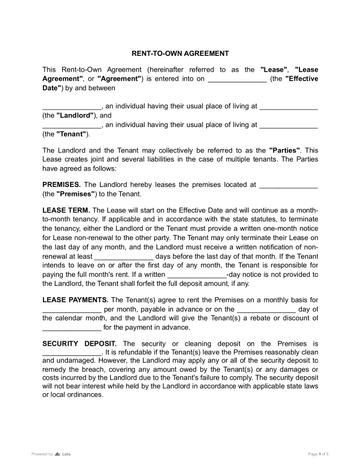 4242 downloads
 - Commercial Lease Agreement
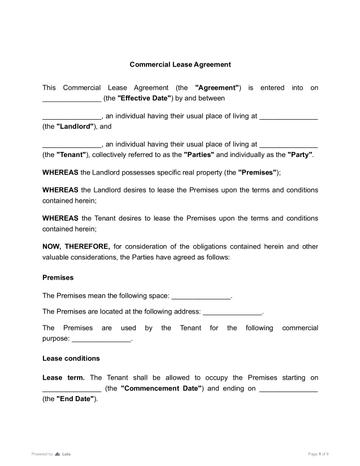 5433 downloads
Lease Versus Rent: What’s a Rental Agreement?
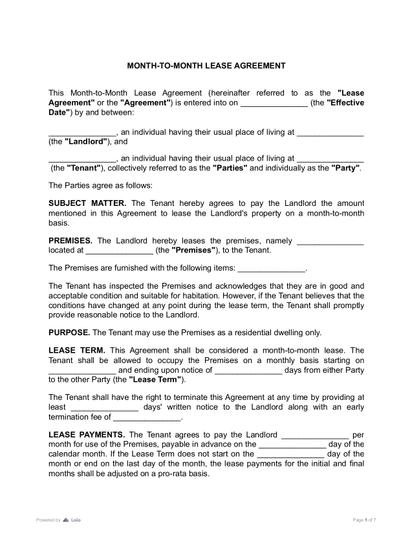
A rental agreement is a contract in which a landlord allows a tenant to use and live on their property for a set period in exchange for a one-time payment. Unlike a lease, a rental agreement allows month-to-month flexibility: in case the tenant wants to continue renting the property, they must make another deal with the landlord, and the price may change each time. This option is most suitable for people who aren’t sure in which position (or place) they will be months from now.
Tenants choose a month-to-month rental agreement when they are moving for work, studying, or need a stay before a more stable arrangement. Meanwhile, landlords can choose a rental agreement for several reasons: it’s their business model (e.g., seasonal rent) or because they have other long-term plans for the property.
Advantages/disadvantages of a rental
Because it differs from the lease, a rental agreement includes other considerations you need to weigh. Before we consider what you actually need to rent an apartment, let’s check whether a rental agreement suits you.
The advantages of a rental agreement are:
Ease of movement. If an unexpected life event occurs or a tenant simply dislikes the neighborhood, they can cleanly sever their housing liability within the agreed period without issue.
Agile pricing. Landlords can easily adjust pricing to match peak seasons or combat inflation.
Simple separation. If there’s a problem and both parties don’t like each other, neither side needs to work on a complex legal case. They can sever their relationship faster and easier.
And yet, the rental has these cons:
Higher costs. Tenants may pay a slightly higher price. Landlords typically charge a 10% to 20% premium on month-to-month agreements in the event of an unexpected vacancy.
Housing instability. A tenant can lose their place to stay with minimal notice. If they live in an area where finding a home without long waits is difficult, they may need to move elsewhere to still have housing.
More turnover-related work. Cleaning units, replacing carpets, marketing listings, and screening applicants every few months takes a lot of the landlord’s time. Landlords often have to be much more hands-on with a property they rent out for shorter periods.
When drafting your rental agreement, it’s easiest to use a PDF editor to make quick changes if the other party demands them.
Types of rental agreements
- 1
Standard month-to-month rental agreement. A classic agreement that renews monthly unless either party terminates it.
- 2
Short-term or vacation rental agreement. An agreement for a short stay, typically under 30 days, and is usually governed by guest policies and property damage waivers.
- 3
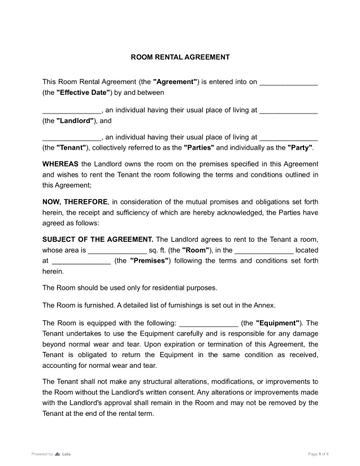
Room rental. Similar to a lease, a room rental agreement operates on a month-to-month basis with comparable terms.
- 4
Commercial month-to-month rental. Used by companies that need a temporary space during transitional phases.
- 5
Storage rental agreement. A specialized, low-overhead agreement strictly for leasing out storage units, garages, or parking spaces.
- Short-Term/Vacation Lease Agreement
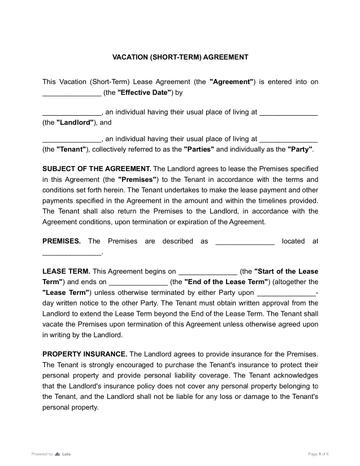 6254 downloads
 - Room Rental Agreement
 4581 downloads

Difference Between Renting and Leasing: Rent, Notice, and Early Termination
Now that we know the answer to “What’s the difference between rent and lease?,” let’s dive into the contract specifics between the two agreement types. Landlords and tenants sign housing contract terms that cover rent, notice, and early termination, to name a few. They directly affect renters’ rights in the relationship they establish with landlords.
Rent price. Under a fixed lease, the rent price is frozen. It cannot change unless there is an explicit, pre-negotiated escalation clause written into the original document — it’s rare in residential leases (unlike the commercial ones). For example, if property taxes jump or inflation surges 8% mid-year, the landlord absorbs the loss, not the tenant.
It’s different with a month-to-month rental agreement: the price is highly dynamic. Since the agreement technically changes monthly, the landlord has the right to adjust prices according to the market.
Notice window. Written notices to terminate the agreement are strictly required for both contracts. A rental lease, with its flexibility and agility, requires a simple standard notice. A notice period usually ranges from 30 to 60 days.
A lease agreement may contain an automatic renewal clause. It states that if neither party informs the other about their desire to renew the contract and provides a written notice (usually 30 to 60 days before the lease expires), the contract turns into a month-to-month rental agreement.
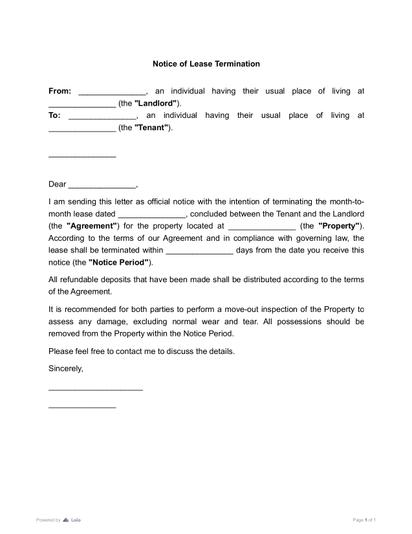
Informal agreements, even in text, aren’t considered a formal notice. Using a lease termination letter will help you end the lease in advance. A properly written document establishes the terms for early termination, including compensation based on the terms of the previously signed lease agreement, and helps both sides prevent disputes afterward.
Early termination. If a tenant wants to break a long-term lease early, it may present additional issues. Essentially, a landlord incurs significant financial loss due to the early lease termination.
However, a landlord must take reasonable, good-faith effort to find a qualified replacement tenant. This expectation is pretty widespread (check out official resources from the District of Columbia and Maine) across states. Meanwhile, the remaining tenant liability depends on state law and the lease itself.Many modern lease agreements include an early termination clause that specifies a set fee for early termination. If a tenant terminates the lease early, they can walk away after paying the sum.
Leasing vs. Renting: Situational Breakdown
Landlords and tenants consider different factors when choosing between a rental and a lease.
Landlord success strategy
If you’re a landlord, choose a long-term lease in case:
Your area is located in a seasonal market.
Losing a tenant presents high turnover costs.
Your property is in an area with flat real estate growth.
A lease will secure long-term stability without worrying about market fluctuations.
However, there are cases when it’s far more beneficial to opt for a month-to-month rental agreement:
Your asset is located in a touristy spot.
If you are looking to sell the property in the relatively near future.
Your property is in a rapidly growing area.
It allows you to quickly adjust pricing to combat inflation or sell a vacant property to a potential buyer quickly, without missing any opportunities.

Tenant’s evaluation checklist
A tenant is always making a serious financial commitment when signing an agreement — and when it’s a long-term contract, the stakes can be extremely high, whether it’s a physical contract or one they e-signed online.
Sadly, the rent price at the top of the contract is very rarely the only cost you’ll have to pay as a tenant. Landlords often use unbundled fee structures to preserve their margins.

Ensure the contract explicitly states who pays for water, sewage, and trash. If a fee is not explicitly authorized in the signed contract and applicable law, a landlord cannot unilaterally impose it on you mid-cycle.
In addition to the lease contract, you will typically see an addendum that clarifies the lease’s rules. You may want to look at a pet addendum (which may outline non-refundable fees alongside arbitrary weight or breed restrictions) or guest policies (e.g., you can’t allow any non-resident to stay on the premises for more than 7-14 consecutive days) — violating these will mean you have broken the contract.

The choice between leasing vs. renting always depends on what the landlords and tenants are looking for. Stable, predictable relationships that presuppose long-lasting tenancy and financial obligations can be gained through leasing, while renting gives the parties more flexibility. Analyze your goals and opportunities and choose what fits them.
More guides
September 11
10 min read
Rules for Renting a Room in Your House: How to Become a Landlord

September 4
How To Break a Lease in Florida Without Penalties
September 3
12 min read
The Biggest Red Flags on a Rental Application Explained

September 1
7 min read
How to Provide Proof of Employment: Documents and Steps

September 8
10 min read
What Is the Difference Between Joint Tenancy and Tenancy in Common?

July 24
4 min read
What Is a Fixed-Term Lease, and How Is It Different From an Automatic Renewal Lease?

One home for your
agreements
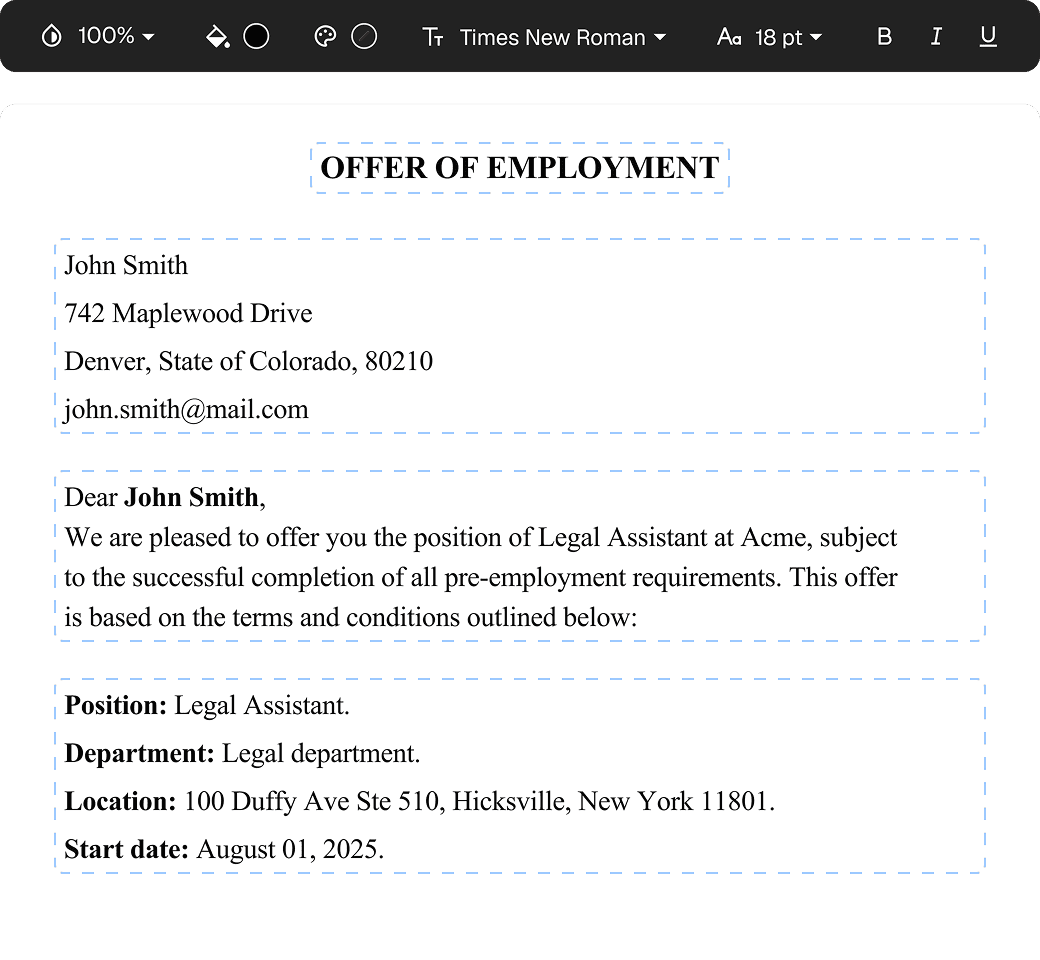
Edit PDFs seamlessly
Tweak agreements before signing or sending for signatures. Update details, add or remove clauses, adjust formatting, and redline changes instantly.
eSign legally and securely
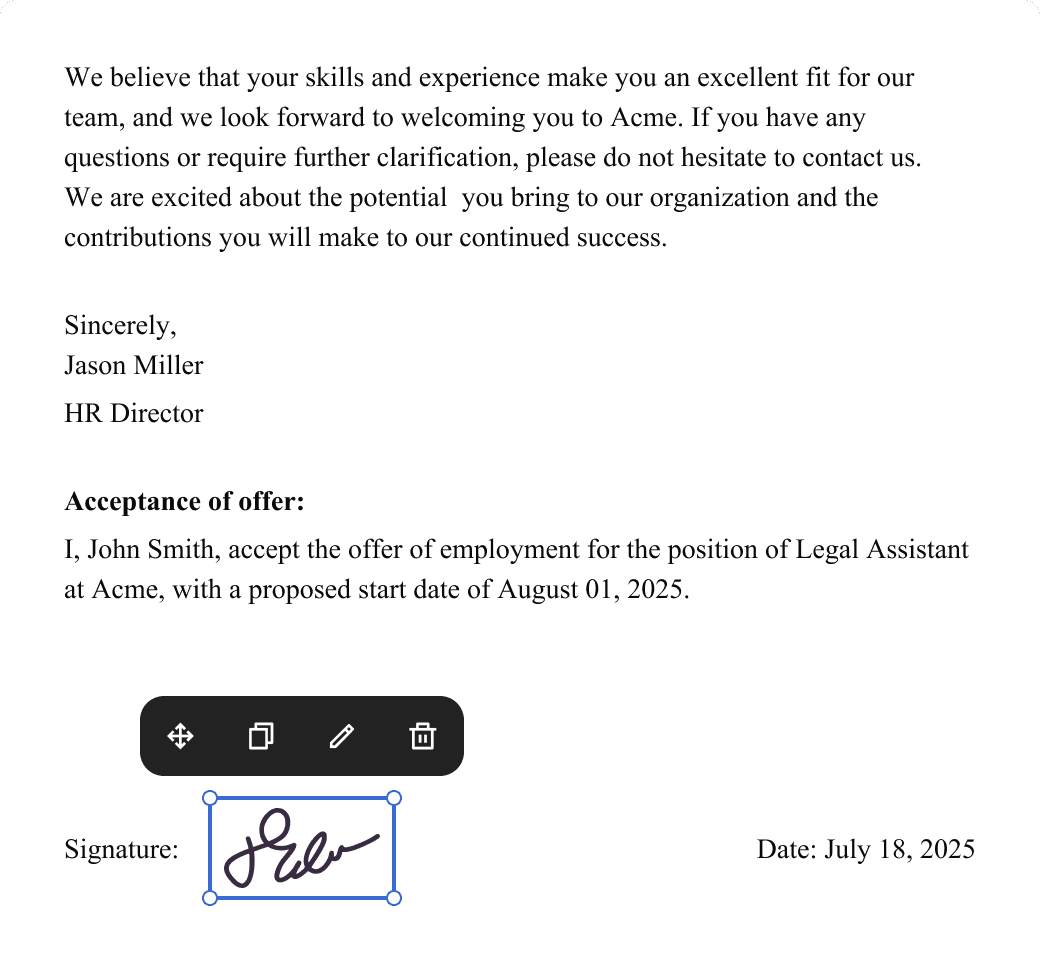
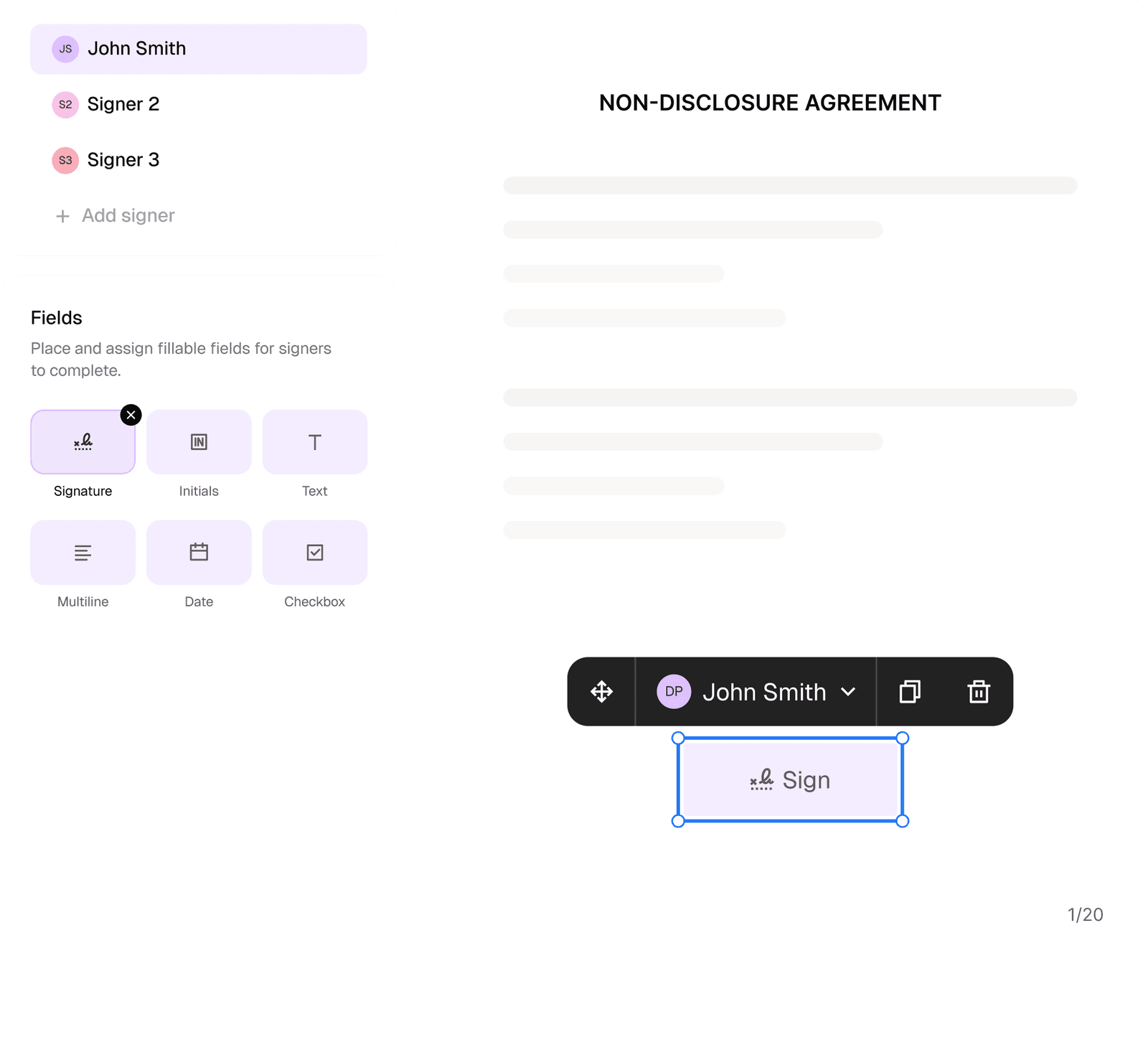
Sign documents and collect legally binding signatures. Invite up to ten people to sign in any order, track the progress, and send reminders.
Request legally binding signatures
Invite up to ten people to sign your document in any order. Get a finalized, audit-ready copy without chasing signatures.
Skip the drafting.
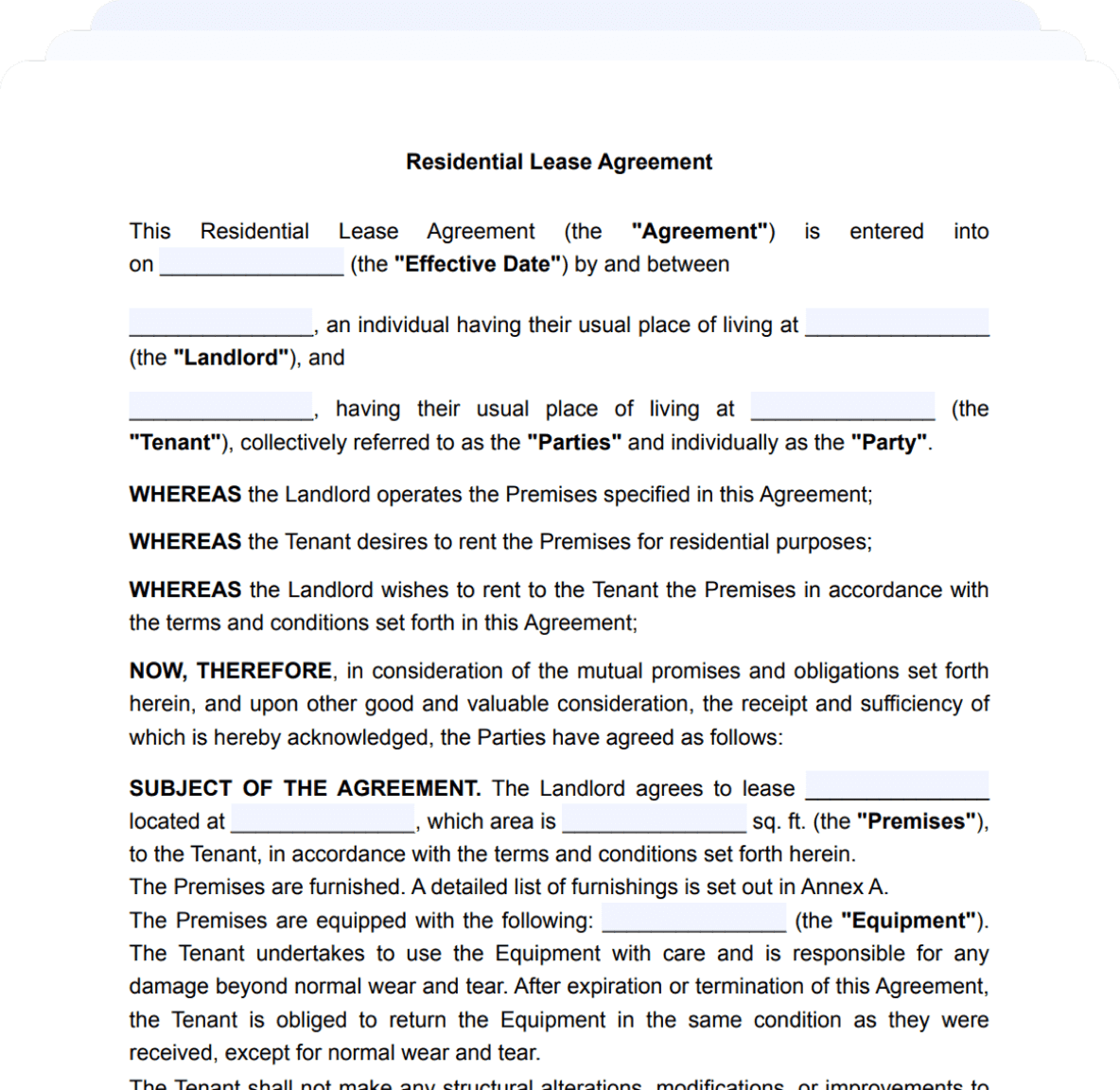
Choose from 2,500+ templates
Browse templatesChoose a template
Fill in details
Sign and download