Updated September 16, 2026
8 min read
Promissory Note vs. Loan Agreement: Which One Do You Need?
Promissory Note vs. Loan Agreement: Which One Do You Need?
Content
Private lending in the U.S. has surged in recent years. According to Statista, private credit assets in the U.S. have surpassed $1 trillion. Many people rely on private lending to get the money they need, either to get a startup business loan or to address a financial problem with the help of friends and family members. Legally securing mutual obligations, however, is a slightly painful and potentially even uncomfortable process. Some don’t want to ask for a formal note from their friends or family members — a decision that can cause financial and emotional losses along the way.
Using a promissory note or a loan agreement is a far safer way to secure that you, as a lender, can get your money back. This article explains the difference between a promissory note and a loan agreement and helps you decide which one suits your situation most.
Loan Agreement vs. Promissory Note: What Is a Promissory Note?
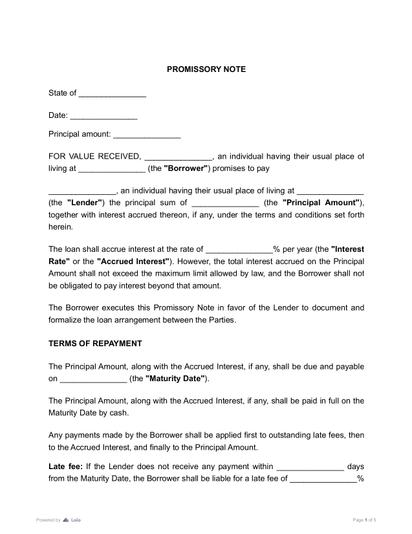
A promissory note is an unconditional, written promise to pay a specific amount of money to another party. It records the borrower’s promise to repay debt. The lender usually doesn’t have to sign it — only the borrower does, because the borrower is making the promise (they can easily use an eSign tool online and send a copy to the lender). Some consider it a formalized version of the phrase “I owe you this much, and I’ll pay it to you.”
Loan vs. note: When is a promissory note used
A promissory note is used under low-risk and unconditional conditions, including:
High-trust relationships. If you borrow money from a family member or a close friend, a promissory note is usually enough.
No ongoing lender duties. A promissory note is relatively simple and doesn’t involve any specific milestones or lines of credit to manage.
Short-term or small-scale capital. It works perfectly for relatively small amounts of money or covering a specific need for 30-60 days.
Crucial elements of a legally binding promissory note
A promissory note may include the following:
Identity of the parties. Clearly stated legal names and addresses of both the Maker (borrower) and the Payee (lender).
The principal amount. That’s when you indicate a specific amount of money being borrowed.
The promise. Here, a promise is unconditional — the borrower must clearly state their intention to pay the sum to the lender.
Interest rate and repayment terms. Clarify the interest rate and the exact date or repayment schedule.
Signature. Only the borrower must sign.
Using an online PDF editor will help you make the necessary changes to your promissory note without having to retype it manually.
Types of promissory notes
Usually, we examine promissory notes by how they are repaid.

Promissory Note vs. Loan: What Is a Loan Agreement?
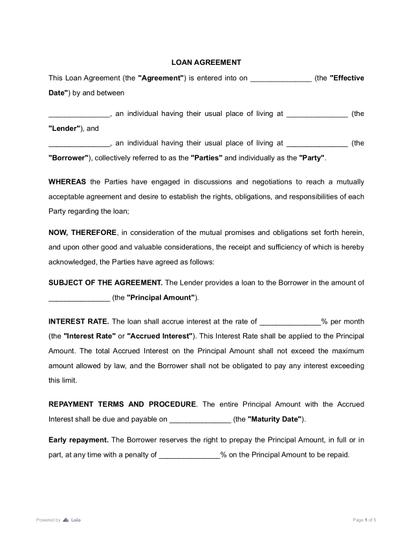
A loan agreement is a legally binding contract between the two parties (a lender and a borrower) that defines their mutual obligations. Both parties must sign it because they have legally binding duties to fulfill. It is among the critical documents required for a business loan, scholarship loans, or any extensive lending case.
This document acts as an active operational roadmap. It creates a system of checks and balances known as covenants (promises to do or not do certain things). If either party violates their obligations, a loan agreement provides legal remedies to address the breach.
When is a loan agreement used?
A loan agreement is typically used in higher-risk conditions, such as:
High-stakes or substantial capital. It is the standard for large financial sums when a threat of default has severe consequences for both sides.
Ongoing restrictions. A loan agreement is used when a lender needs a system of mechanisms to influence and ensure they will receive their money back.
Commercial and corporate lending. Unlike informal or small private loans that rely on mutual trust, this document is commonly used for professional and business relationships.
Crucial elements of a legally binding loan agreement
A loan agreement is far more complex than a promissory note and includes many more elements. To be actually enforceable, a loan has to include:
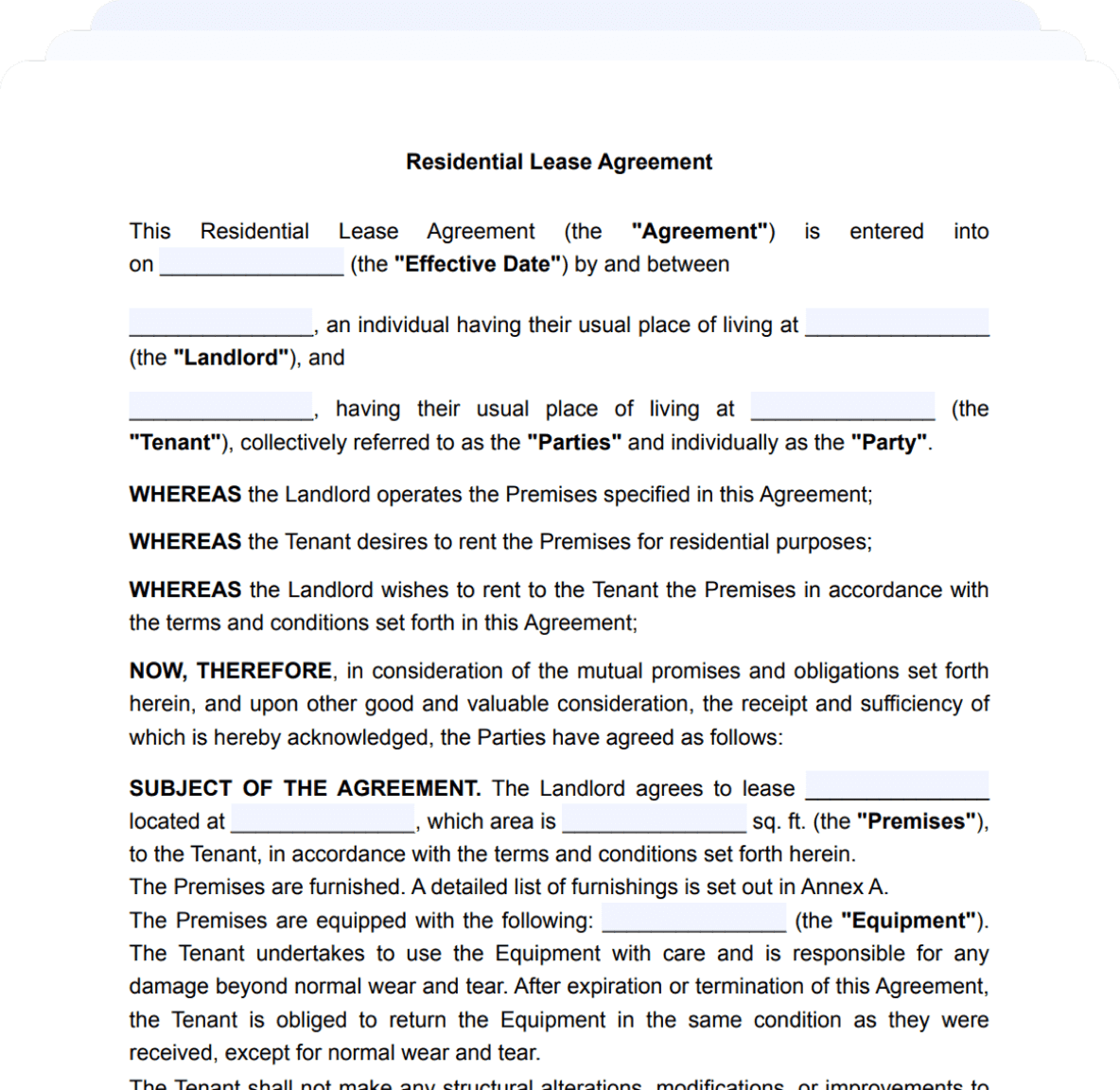
Preamble and recitals. This covers names of the parties, their official business addresses, and the effective date of the contract.
Subject of the agreement. That’s when the amount of money being borrowed is specified.
Interest rate and repayment date. As with the promissory note, the document covers the interest rate and the repayment date. This is when late and/or early repayments are mentioned.
Security. A borrower offers collateral to be received by the lender if they default.
Covenants. These are the contract’s ground rules that define obligations and expectations.
Force majeure and confidentiality. The document covers both criteria for securing mutual commitment and acknowledges factors that might be outside both sides’ control.
Other:
- Term and termination;
- Notice;
- Governing law and dispute resolution;
- Other binding conditions;
- Both sides’ signatures.
Loan agreements are legally binding, so you must make sure you know what you’re agreeing to. When lost, using AI contract review may help identify provisions for closer examination, but it shouldn’t replace legal advice.
Types of loan agreements
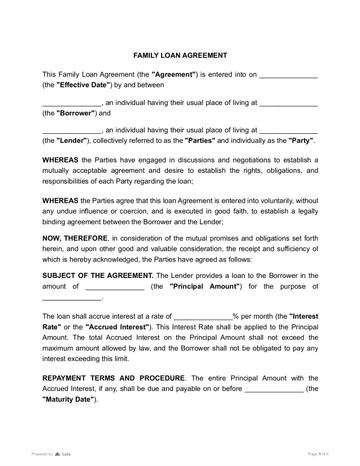
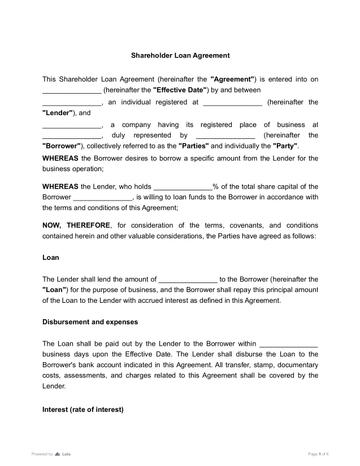
The structure of a loan agreement changes with who is involved and how the money flows. For example, although promissory notes are more common among family members, it’s still absolutely possible (and useful) to sign a family loan agreement with the same criteria as any other. At the same time, you might see something like a shareholder loan agreement between an entire corporation and a shareholder.

- Family Loan Agreement
 5495 downloads
 - Shareholder Loan Agreement
 5731 downloads

How collateral works
Although a simple promissory note usually relies on an uncollateralized promise to pay, adding collateral (typically formalized through a detailed loan agreement) fundamentally strengthens a lender’s position by making them a secured creditor.
Collateral isn’t limited to tangible goods like real estate or equipment; it can also include intangible assets like bank accounts, accounts receivable, or securities. When a lender properly attaches and perfects a security interest (e.g., through a UCC filing or mortgage recording), they gain priority over other creditors and direct legal remedies against specific assets rather than relying solely on a breach-of-contract lawsuit, debt acceleration, or negotiation.
Still, collateral enhances recovery options rather than making them automatic. In fact, enforcing a security interest under rules like UCC Article 9 still requires formal default notices, repossession without breaching the peace, and a commercially reasonable sale. Meanwhile, a borrower’s bankruptcy triggers an automatic stay that temporarily pauses collection efforts for secured and unsecured lenders alike.
Loan vs. Promissory Note: How to Structure Debt, Interest, and Repayment
Regardless of whether you choose a promissory note or a loan agreement, don’t leave either option with ambiguity. Both can leave room for interpretation, and this will only put you at a disadvantage.
Documenting repayment of a debt
Although a promissory note and a loan agreement structure the flow of money differently, you can and should specify one of these repayment structures in both:
Lump sum repayment. In this case, the borrower doesn’t pay anything (or pays interest-only) until a specific date — that’s when the entire amount has to be repaid.
Installment repayments. This setup breaks the debt down into a schedule that requires the borrower to pay a set amount.
Balloon repayments. A borrower can make small, manageable monthly installments for a fixed period (e.g., 3 years), followed by a massive payment that covers the remaining balance.
Installment repayments can be either amortized or interest-only. An amortized payment is a payment that includes both the portion of the initial sum and the accrued interest. An interest-only type is when the person pays only the accrued interest and has to make a large principal payment at the end.
Interest rates and repayment terms
Some things, especially interest rates, are strictly regulated by federal and state laws to prevent predatory practices.
The highest interest. Maximum lawful interest rates and related fees depend on the jurisdiction, type of lender, borrower, loan purpose, amount, collateral, and governing law. Consumer and commercial loans may be treated differently, and banks or licensed lenders may be subject to special rules or federal preemption. Determine which lending and usury laws actually govern the transaction before setting interest, default interest, late fees, or prepayment charges.
The lowest interest. Interest-free and below-market loans can have federal tax consequences. Under IRC § 7872, the IRS may impute forgone interest and characterize the corresponding transfer as a gift, compensation, dividend, or other payment, depending on the parties’ relationship. Limited exceptions apply, including a conditional exception for certain loans of $10,000 or less. AFRs are published monthly, but correct tax treatment depends on whether the loan is a demand or term loan, and whether it’s a gift, compensation-related, or corporation-shareholder loan. Consult a tax professional before relying on an exception.
Tips on establishing a secure agreement
Regardless of what type of document you plan to choose, consider adding these clauses:
Prepayment penalty or lack thereof. Explicitly state whether the borrower has the right to pay off the debt early without facing a financial penalty.
Late fees and grace periods. Define exactly how many days a payment can be late before a fee triggers.
Default interest rate. Clarify what interest rate becomes (often, lenders increase it) if the borrower defaults on the debt.
1. Do you need ongoing oversight or business controls?
- Promissory note. Fits simple repayment setups without operational rules.
- Loan agreement. Required if the lender demands financial reporting, spending restrictions, or veto power over major decisions (covenants).
2. Is the financing structure simple or multi-layered?
- Promissory note. Ideal for one-time, lump-sum loans with straightforward terms.
- Loan agreement. Essential for revolving credit lines, milestone-based disbursements, or deals with multiple lenders.
3. Are you securing the debt with collateral?
Either document works.
4. Is a third party guaranteeing repayment?
Either document works.
More guides
September 1
7 min read
How to Provide Proof of Employment: Documents and Steps
July 26
12 min read
How to Read a Profit and Loss Statement

July 25
12 min read
How to Open a Business Bank Account for Your Company
July 26
9 min read
Borrowing Money from Family and Friends for Your Business in 2026: How to Do It Right

July 20
9 min read
Financial Documents Checklist for Small Businesses: 2026 Guide

July 25
10 min read
Grant vs. Loan: What's the Difference?
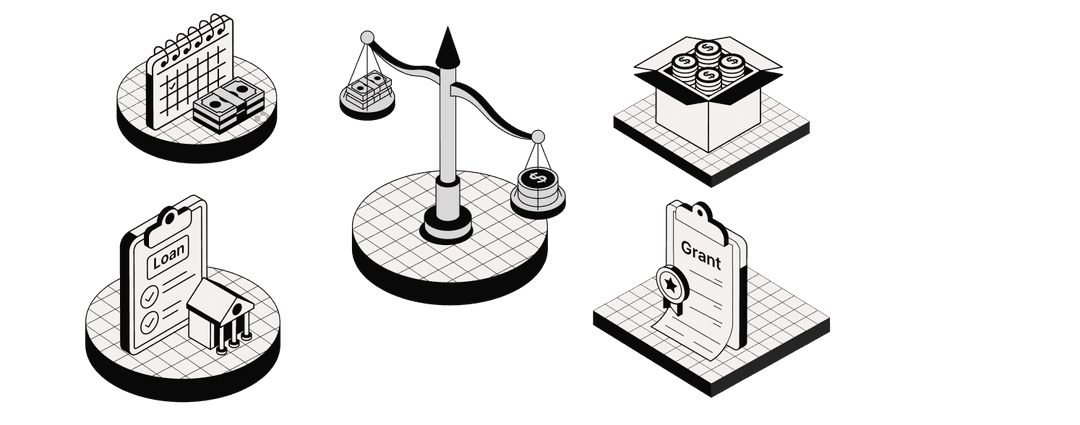
One home for your
agreements
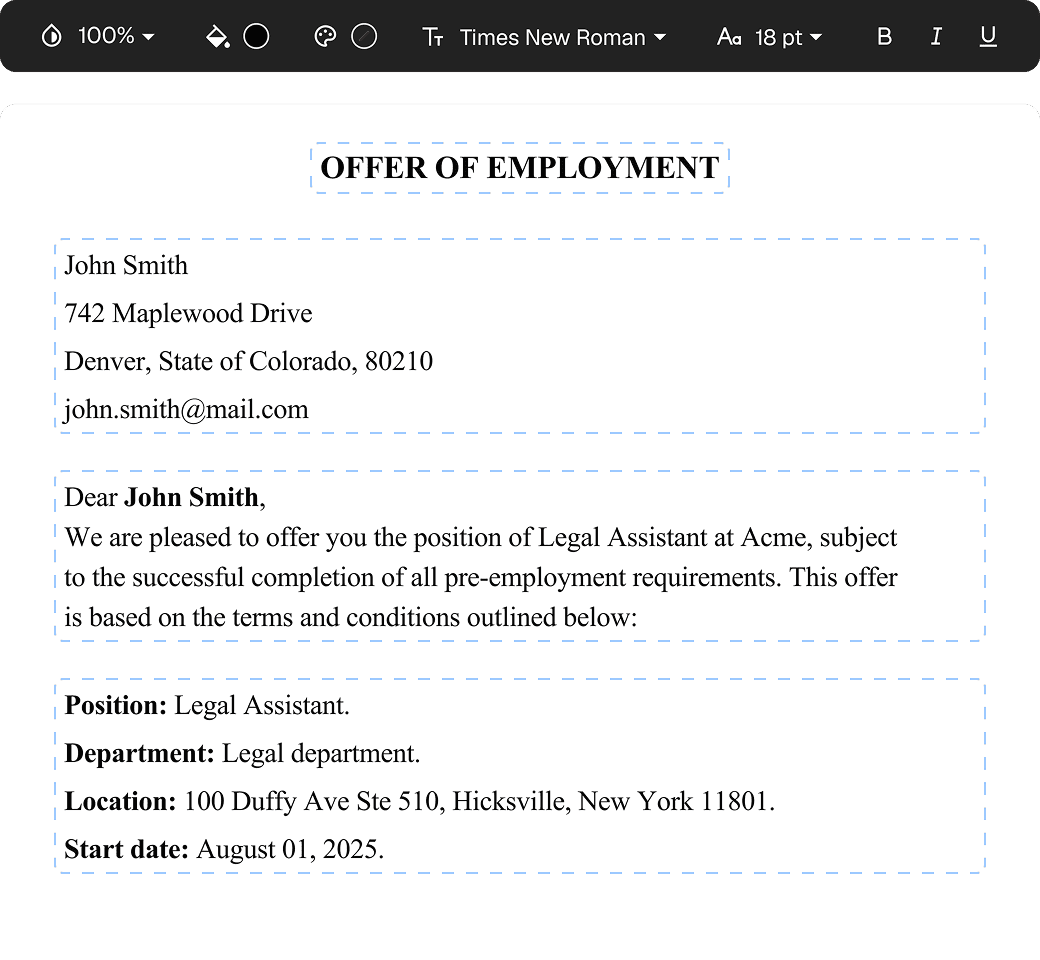
Edit PDFs seamlessly
Tweak agreements before signing or sending for signatures. Update details, add or remove clauses, adjust formatting, and redline changes instantly.
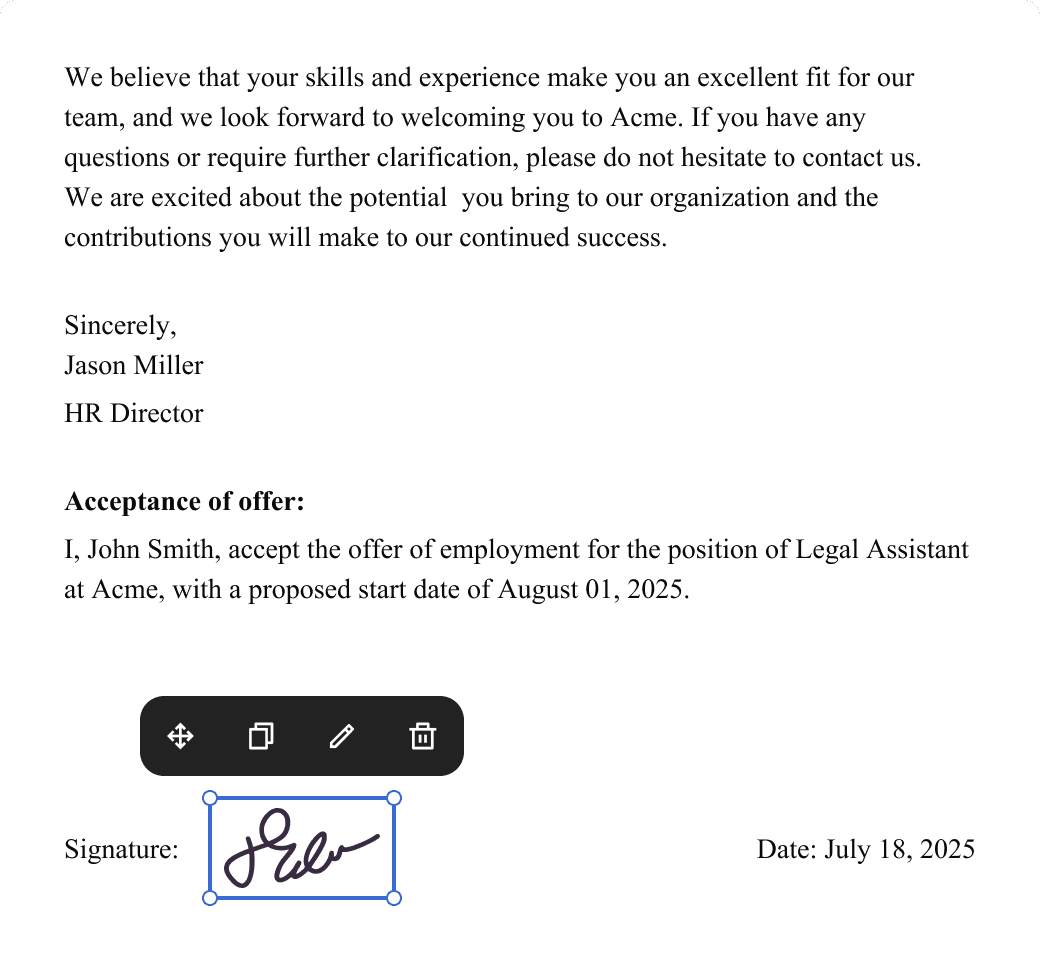
eSign legally and securely
Sign documents and collect legally binding signatures. Invite up to ten people to sign in any order, track the progress, and send reminders.
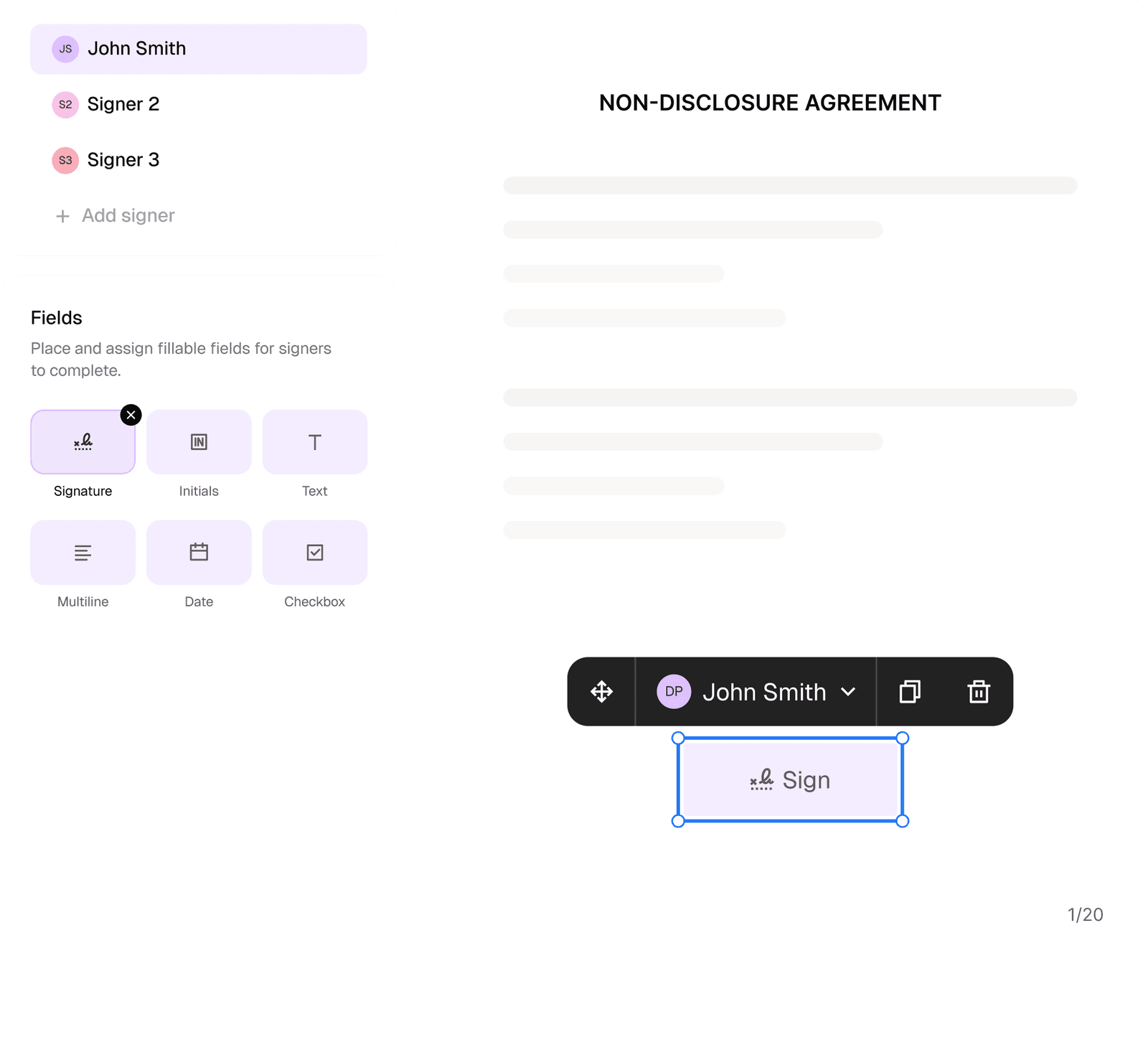
Request legally binding signatures
Invite up to ten people to sign your document in any order. Get a finalized, audit-ready copy without chasing signatures.
Skip the drafting.
Choose from 2,500+ templates
Browse templatesChoose a template
Fill in details
Sign and download