Updated September 2, 2026
10 min read
How To Start a Pool Cleaning Business?

How To Start a Pool Cleaning Business?
Content
A pool cleaning business can be a strong entry point into home services: recurring customers, clear value, and relatively low startup costs compared to many other trades. Still, you must treat it as a serious service business, not a weekend side job. So, what do you need for starting a pool company and growing it?
Benefits of Starting a Pool Business
A pool-cleaning business can be a great choice for those who want a service company that serves locally and attracts repeat customers. Depending on the state and season, pools may require weekly or biweekly visits because water quality can change quickly, especially in warm weather. For pool cleaning companies, it means a stable workload for months. Besides, starting this type of business offers other benefits:
- 1
High demand: As pools are becoming standard facilities or amenities in most homes, hotels, resorts, and other commercial spaces, there is a corresponding need for pool cleaning services.
- 2
Flexible schedule: You can decide when and how much you work and what you earn. During the low season, it is easy to combine this job with other part-time projects and adjust the schedule without risking client loss.
- 3
Profit potential: A pool service cleaning business can be lucrative, especially during warmer months when pool usage is at its peak. So, if you manage to grow your customer base steadily, you’re sure to have a consistently growing income. Besides, your company may offer additional services, such as pool repair and water treatment, to increase profits.
- 4
Low cost: You don’t need to purchase expensive equipment or materials to get started. A few pool-cleaning accessories, such as poles, vacuum heads, nets, brushes, and hoses, will not cost much.
- 5
Outdoor work environment: If you enjoy working outdoors, this business allows you to do just that. For those tired of traditional cubicle-office settings, a pool service cleaning business can provide a refreshing change with pecuniary benefits.
The pool cleaning and maintenance services market is expected to grow to $38.4 billion in 2030.
How to Start a Pool Service Business
No business becomes successful by luck. Before you sign your first pool service contract, you need to ensure there is a demand for certain services, set the price correctly, meet legal rules, and, most importantly, win the clients’ trust. Let’s see what the whole process of starting a pool service business looks like.
1. Do some market research
Before you spend money on equipment, make sure you have the “material” to work on. Are there enough pools near you? And what about other pool cleaning services? If your company is going to be the third in the area with only two pools, even a perfect business plan won’t work. Here are the questions you need to answer:
- 1
How many pools are there in your area? Use Google Maps satellite view and scroll through the neighborhoods you want to serve. If you see lots of backyard pools close together, that is a good sign. A tight area means less drive time and more clients per day.
- 2
Are there high/low seasons for pool cleaning in your area? In warm states, such service can be relevant year-round. In colder states, workload may drop in winter, so you may need seasonal pricing or extra services.
- 3
What are the commercial options? Make a list of nearby apartments, hotels, gyms, and community pools. Such customers can pay well, but they often expect proof of insurance and reliable service records.
- 4
Who are your competitors? Pick 5–10 local companies and call like you are a customer. Ask what they charge per month, what the price includes, and how soon they can start. If most are booked out, demand is strong. If everyone is available right away and prices are low, you will need to stand out.
- 5
What do customers hate? While choosing the service, customers do not look for positive reviews; they look for red flags. Your task is to list them all and avoid them in your company. On Google and Yelp, look for recurring complaints such as missed visits, poor communication, or algae returning. Those complaints tell you how to compete.
2. Estimate how much money you need
You can start a pool cleaning business with a lean budget, but you should plan your finances upfront. A starter range is typically about $2,000 to $8,000 if you already have a reliable vehicle. If you need a special car or truck for your business needs, your budget can jump by $10,000 to $30,000+, depending on what you buy. Your common expenses will include:
Vehicle setup and running costs: $200–$600 for racks, bins, and basic storage, plus ongoing fuel and maintenance.
Chemicals and water testing: A quality test kit often runs $80–$200, and initial chemicals for your first clients will cost approximately $150–$500, depending on pool sizes and local water peculiarities.
Basic tools: A starter set will cost you around $200–$600.
Vacuum or pump equipment for cleanups: Many new business owners start without a high-end system, but if you want to handle green-pool cleanups, budget $300–$1,500 for a reliable vacuum or pump setup.
Business registration and fees: State and local filing costs vary, but get ready to spend $50–$500 to register an LLC or file a DBA, plus get a local business license.
Insurance premiums: General liability often starts around $400–$1,500 per year for small operators and depends on coverage limits, services offered, and location. Commercial auto can add more.
Basic marketing: A simple website plus a domain costs $100–$500, and door hangers or local ads can add $50–$300, depending on volume.
Many new pool cleaning businesses start with the essentials and 5–10 weekly clients. Then, they reinvest profit into better equipment and marketing. Your total will depend mainly on two things: whether you already have the right vehicle and what services you will offer.
3. Create a pool cleaning business plan
Like any other enterprise, a pool-cleaning business requires a business plan to prevent undercharging or overbooking. Do not go into too many details. The basic plan should contain the information about the:
Services you will offer (weekly service, chemical-only, green-pool cleanup, filter cleans);
Target customers (residential vs. commercial);
Pricing model and expected gross margin;
Startup budget and monthly expenses;
Route capacity (how many stops per day you can reliably complete);
Marketing plan and sales process;
Basic operating procedures (service agreement, checklist per visit, photo log, reporting).
4. Get necessary licenses and permissions
Pool cleaning is a local-regulated service in the U.S., so your requirements depend on where you operate and what you offer. Before you take your first client, check both city/county rules and state rules.
At a basic level, your pool cleaning business needs:
Local business license from your city or county.
Sales tax permit if you sell taxable items (for example, chemicals, filters, or parts).
Public pool compliance is required if you service pools open to the public, such as apartments, hotels, and gyms, as they are often subject to county health department rules.
If you plan to do repairs, confirm contractor license rules in your state before you advertise that service. Maintenance and cleaning usually have fewer restrictions than repair work.
Finally, consider chemical safety. Pool chemicals are regulated under federal Hazard Communication Standards (OSHA rules) and product labeling standards. Keep Safety Data Sheets (SDS) for all the chemicals you carry, store them securely, and never transport incompatible products together in a way that creates spill or reaction risk.
5. Register your business
To operate without troubles, you must do it legally. Entrepreneurs offering pool-cleaning services may choose either a sole proprietorship or an LLC. The right choice depends on how much personal risk you are willing to carry and whether you plan to hire employees.
To function as a sole proprietor, you need a local business license and a DBA filing if you use a trade name. The downside of this option is the legal exposure: if a customer claims you have damaged their property, your personal assets (such as savings) can be at risk.
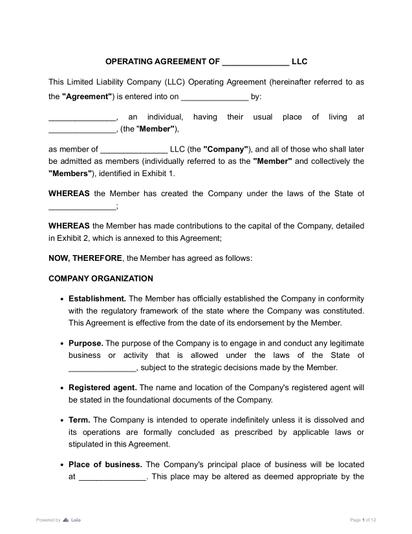
An LLC registration costs more, but it creates a legal wall between you and the business. That means you need an LLC operating agreement, use a separate business bank account, and sign contracts under the LLC name. For a pool-cleaning company, an LLC is a good choice because you work on client property and handle chemicals, so the risk of claims is real.
Besides, once you register a company in the U.S., you may need to apply for an EIN as it will be required to open a business bank account and file payroll taxes if you hire employees.
6. Prepare the equipment

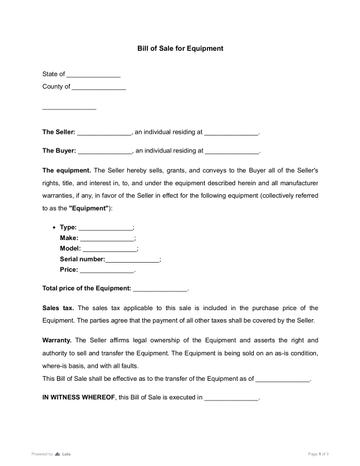
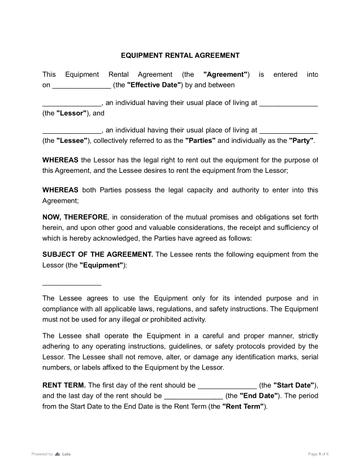
How to start a pool cleaning business with minimal expenses? You can begin with a basic kit and upgrade as your business grows. Depending on your finances, you may either buy or lease the necessary equipment. The second option is especially relevant for expensive tools that require regular service and repairs. Most pool-cleaning companies mix approaches: they purchase the tools they use on every visit and rent higher-cost equipment.
- Bill of Sale for Equipment
 4271 downloads
 - Equipment Rental Agreement
 5427 downloads
7. Set the price for your services
The final cost of your services should cover labor, chemicals, travel time, insurance, and profit. Do not price based solely on what competitors charge.
Here’s how you can calculate a base price for the pool cleaning:
Estimate the time per visit (e.g., 20–60 minutes on average).
Add drive time per stop based on route density.
Add chemical cost per pool (varies by pool size, season, and water conditions).
Add overhead per stop (insurance, phone, software, marketing).
Add your profit margin.

Prices vary by state due to many factors, including labor costs in your area and the season. Warm states with year-round service often have lower pricing but high volume. Seasonal states may have higher prices during peak months, but winter revenue drops unless you offer off-season services.
How much do pool cleaners make? According to the recent study, in 2026, an average pool cleaner in the United States earns $35,001 a year. Depending on the state, season, and experience, the salary range may vary from $19.5K to $49K. However, pool-cleaning business owners can expand their operations by providing services in multiple areas simultaneously.
8. Prepare the service contract
Every time you provide pool cleaning services, either to new or repeat clients, you should ask them to sign a pool service contract. This document will give you legal protection in case any misunderstanding or unexpected situations arise. The contract should typically contain:
Names and contact information of the service provider and the client;
The list of services to be provided;
The start and end dates when the services are to be performed;
The payment terms;
The payment method;
Contract termination terms;
Warranties;
What happens if a force majeure occurs;
The date and signatures of the parties.
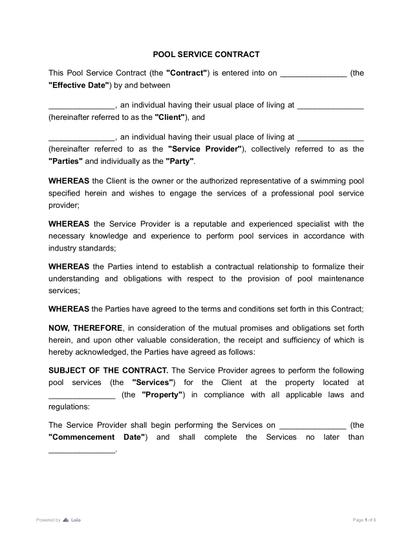
It is more convenient to send the pool service contract to clients online and ask them to sign it electronically, so you both have digital copies. Besides, if you use a PDF template, it is easy to make corrections and update it in a few clicks without the need to reprint all the papers.
9. Get business insurance
In the pool cleaning industry, accidents can happen all the time, and it is important to protect your business from the legal consequences they may bring.
Discuss with your insurance broker the following options:
General liability insurance (protects from slip-and-fall claims, property damage);
Commercial auto insurance (if you use a vehicle for business);
Workers’ compensation (required in most states once you hire employees);
Tools and equipment coverage (optional, but helpful).
If you crack a pool tile, flood an equipment pad, or a client slips near the pool after service, a good insurance policy will cover the costs and protect you from the liability you do not want.
Best Ways to Market Your Pool Service Cleaning Business
When you are new, your goal is not “brand awareness.” Your goal is a small route close to home. Pool owners usually pick a service provider based on two things: trust and proof that you show up.
Here is how you can get your first customers:
Set up a Google Business Profile. Add real photos (your truck, your tools, before/after shots), list your services, and ask every happy customer for a review. Even 5 strong reviews can help you win calls because many people search “pool service near me” and pick from the map results.
Work one neighborhood at a time. Choose an area with visible pools and drive it. Leave door hangers or simple flyers with a clear offer (for example, “weekly service,” “green pool recovery,” “first service discount”).
Post where pool owners gather. Join local Facebook/Reddit groups and respond to posts from people who need a new pool service. Keep your message short: your service area, what you offer, and how to reach you. Do not spam; answer real requests.
Ask for referrals. After you complete the first month of service, ask the customer directly: “Do you know anyone nearby who needs pool service?” Offer a small referral credit to both sides.
Partner with related service businesses. Landscapers, pest control, pressure washing, and pool repair shops meet homeowners every day. Bring them business cards and offer a referral fee or reciprocal referrals.
Connect with real estate agents. New homeowners often need help fast. Agents and property managers want a reliable vendor they can call.
A pool cleaning company can become a reliable and stable source of income if you treat it as a real business and approach it with due responsibility. As it operates locally, you should win the trust of clients and demonstrate to them that your services are better than those competitors provide. Treat your customers (and their pools) with respect and attention, and they will boost your business growth better than any marketing strategy.
More guides
September 11
6 min read
How to Start a Moving Company

July 25
12 min read
How to Start a Flooring Business and Get Your First Clients in 2026

August 20
8 min read
How to Start an HVAC Business in 10 Steps

July 25
12 min read
How to Register a Company in the US: What No One Tells You in 2026

September 1
7 min read
How to Provide Proof of Employment: Documents and Steps

October 8
8 min read
How to Start a Videography Business: 8 Essential Steps

One home for your
agreements
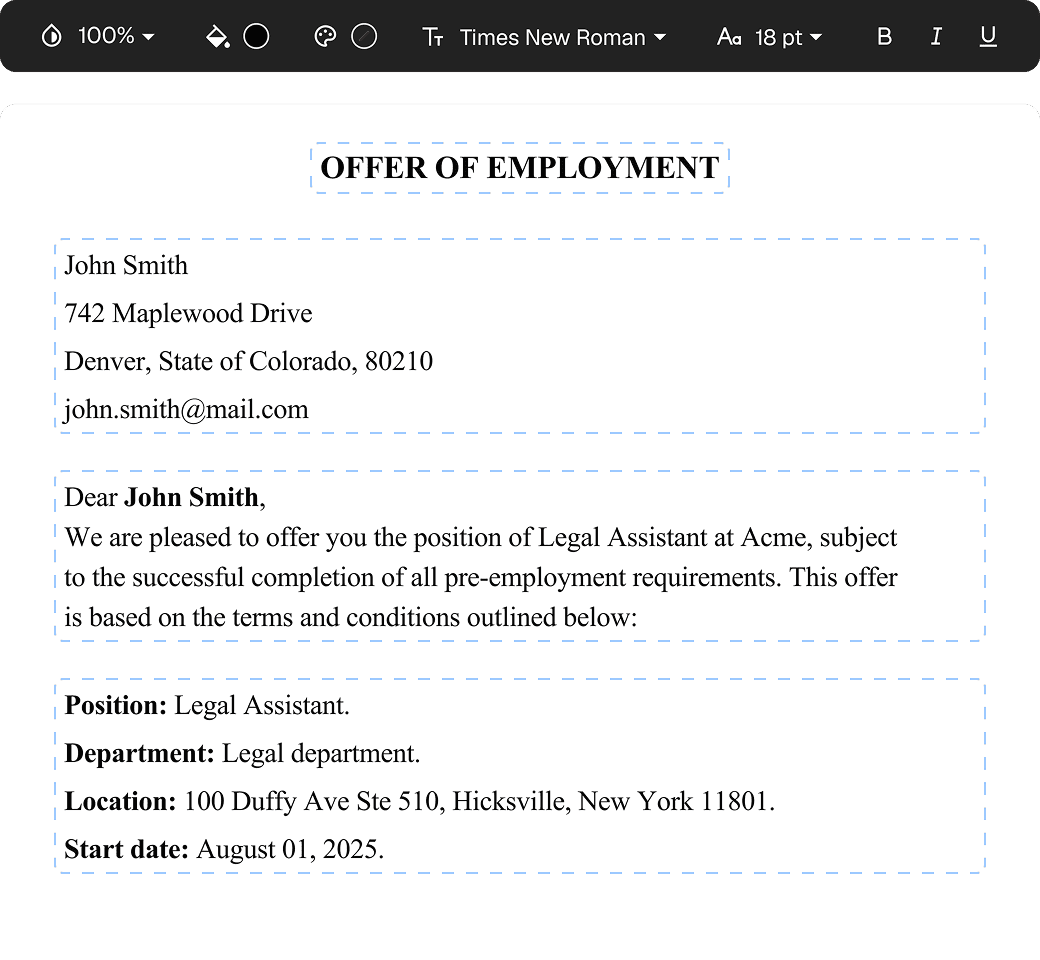
Edit PDFs seamlessly
Tweak agreements before signing or sending for signatures. Update details, add or remove clauses, adjust formatting, and redline changes instantly.
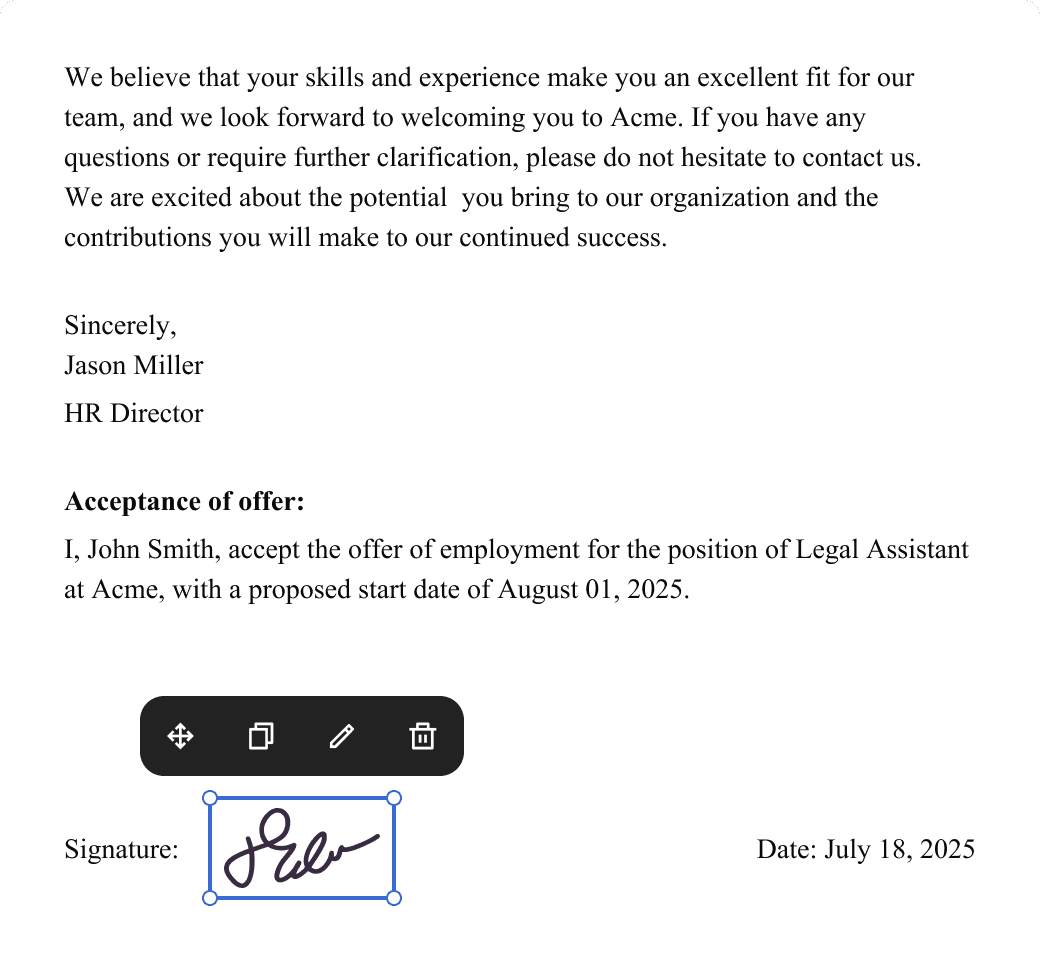
eSign legally and securely
Sign documents and collect legally binding signatures. Invite up to ten people to sign in any order, track the progress, and send reminders.
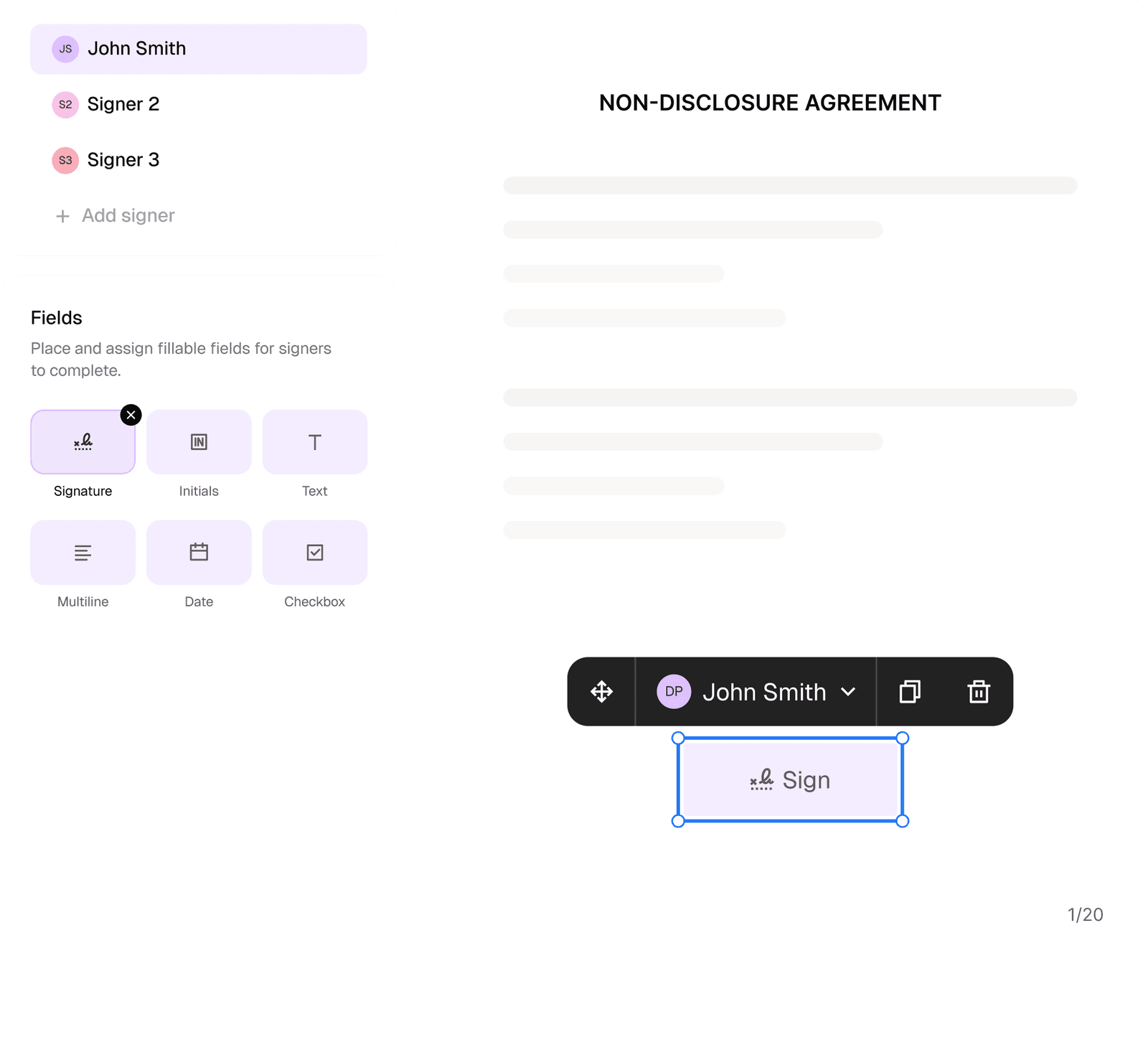
Request legally binding signatures
Invite up to ten people to sign your document in any order. Get a finalized, audit-ready copy without chasing signatures.
Skip the drafting.
Choose from 2,500+ templates
Browse templatesChoose a template
Fill in details
Sign and download