Updated September 4, 2026
6 min read
Asset Purchase vs. Stock Purchase: How to Choose in 2026
Asset Purchase vs. Stock Purchase: How to Choose in 2026
Content
Sometimes, buying a part of an existing business instead of starting a new one is a wise choice. The risks are lower, the operations are more predictable, and the income can be counted. So, if you purchase a working business, you typically have two options: to buy assets or stocks. This guide explains the differences between asset purchase vs. stock purchase in terms of liabilities, documentation, and tax obligations. Check them out and choose what fits your business goals best.
- Stock Purchase Agreement
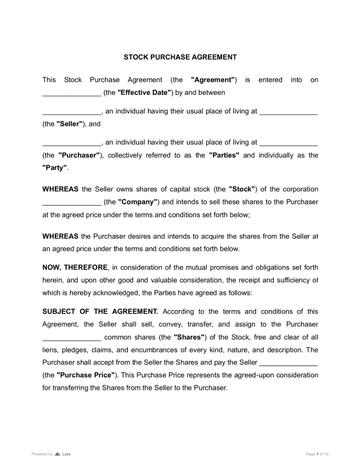 5314 downloads
 - Asset Purchase Agreement
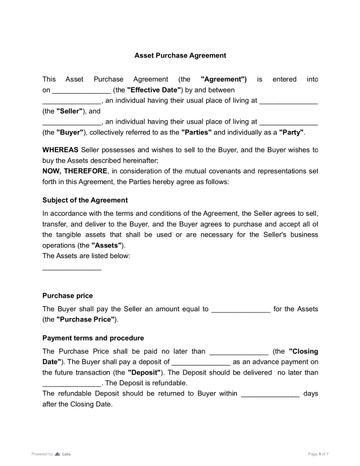 5339 downloads
Stock Purchase vs. Asset Purchase: What’s the Difference?
Though both these options are ways of business extension, they differ greatly, and your choice will determine everything – from the responsibilities you gain to the taxes you pay. So, here are the key aspects to consider in the stock acquisition vs. asset acquisition opposition:
1. Contracts and “what carries over”
When you buy stocks, the company stays the same legal entity, so most contracts remain in place automatically. However, some agreements may include a change-of-control clause: if the company gets a new owner, the other party can terminate the contract, renegotiate it, or require advance notice and written approval. In this case, you’ll need to settle everything right after you sign the stock purchase agreement.
For instance, a commercial lease contract may state that a sale of more than 50% of the company counts as a change of control, and the landlord must consent before the sale closes. If you skip this requirement, you risk having the lease terminated earlier.
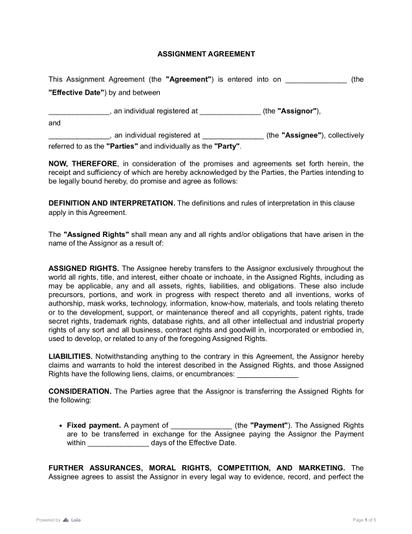
Meanwhile, after an asset purchase, contracts do not automatically move to you. To transfer them, you and the seller will need to sign an assignment agreement – a legal document that moves the seller’s rights and obligations to you. Many contracts ban assignments without consent, so you may need the customer, vendor, or landlord to approve the transfer in writing. If they refuse, you may not get the contract even after you buy the assets.
Licenses and permits require separate review in an asset purchase. Do not assume they transfer automatically with the assets. Depending on the license and the issuing authority, the buyer may need approval to transfer it or may have to apply for a new license or permit before operating the business.
2. Papers to be signed
In a business purchase, documents do two main jobs: they prove what you bought and explain what happens if something turns out to be wrong after the deal. In other words, they are your legal protection for any unexpected situation.
In an asset purchase, the paperwork states which assets move to you, because nothing transfers “automatically.” The core documents are:
- 1
An asset purchase agreement lists the assets you buy, the liabilities you accept (if any), the price, and the closing conditions.
- 2
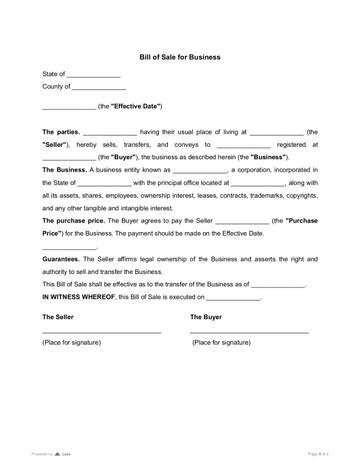
A bill of sale proves that the assets were actually transferred at the deal closing.
- 3
An assignment agreement transfers contracts (and your responsibility to perform under them) when the assignment is allowed.
- 4
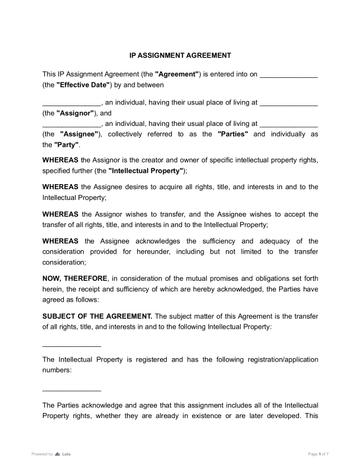
IP assignments transfer the ownership rights for trademarks, domains, software rights, or other intellectual property. They are important if you buy the brand or technology.
- 5
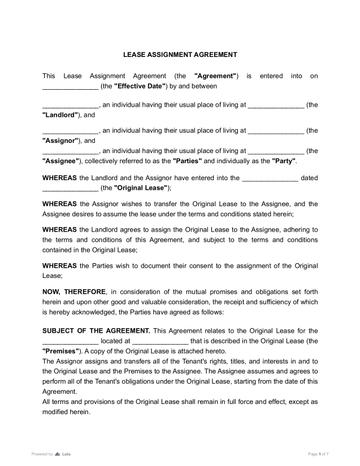
A lease assignment or a new lease is required if the business rents a specific location and you need legal rights to occupy the space.
- 6
A novation agreement may be required if the assets include federal government contracts. Under FAR 42.1204(a), the Government may recognize a third party as the successor to a government contract when all of the contractor’s assets, or the entire portion of the assets involved in performing the contract, are transferred. By contrast, FAR 42.1204(b) states that a novation agreement is unnecessary in a stock purchase when the contracting party remains legally unchanged, stays in control of the assets, and continues performing the contract.
- Bill of Sale for Business
 4158 downloads
 - IP Assignment Agreement
 5515 downloads
 - Lease Assignment Agreement
 5338 downloads
In a stock purchase, the paperwork focuses on the shares and the seller’s promises about the company’s condition and includes:
- 1
A stock purchase agreement (SPA) sets the price, shareholders’ rights, restrictions on shares, warranties both parties provide, and termination terms.
- 2
Due diligence documents that include information about the company’s finances, taxes, contracts, and lawsuits. It also explains what happens if the data the seller provides is inaccurate.
- 3
Board and shareholder/member approvals to prove the sale is valid.
- 4
Stock certificates that represent the specific number of shares bought.
3. Liabilities
A stock purchase puts you in the shoes of the company. That means you can inherit problems you did not cause, like old tax issues, past contract breaches, or employment claims.
An asset purchase is usually safer because you can generally limit the liabilities you expressly agree to assume. However, this does not eliminate successor liability.
In some cases, state successor liability rules can make the buyer responsible for certain seller obligations (such as unpaid sales taxes, some employee wage claims, or environmental liabilities). Solid due diligence and a carefully drafted asset purchase agreement can help you spot these issues early and control the liabilities you acquire.
Before closing an asset purchase, check whether state bulk-sale or successor-tax rules apply. In a New York bulk sale, the purchaser must file Form AU-196.10 with the Tax Department at least 10 days before paying for or taking possession of the business assets, whichever comes first. A purchaser who does not follow the bulk-sale procedure may be held liable for the seller’s unpaid sales and use taxes.
Texas also requires purchasers to address potential successor tax liability before closing. A purchaser must generally withhold enough of the purchase price to cover taxes due unless the seller provides proof from the Comptroller that no amount is due or the purchaser requests and receives a Certificate of No Tax Due. The certificate must be requested before the sale closes, and the seller and purchaser must jointly submit Form 86-114. If the sale closes without a Certificate of No Tax Due and the seller owes taxes, the purchaser may be liable for the unpaid amount up to the purchase price.
4. Taxes and IRS filings
Taxes do not work the same way in asset and stock deals. All business sale deals are regulated by the IRS that determines:
What the seller pays, which affects the price you negotiate.
What tax deductions the buyer gets after closing.
If you buy assets, the IRS treats the deal as a sale of separate asset types (equipment, inventory, vehicles). According to IRC §1060, the parties must allocate the total price across categories, such as inventory, equipment, vehicles, and goodwill. After closing, both the buyer and the seller file IRS Form 8594, and your allocations must match.
In some states, like New York, Oklahoma, and Colorado, you may also owe sales or use tax on certain tangible assets.
Meanwhile, if you buy stocks, you usually do not file a special tax form just because you bought shares. You typically report tax only when you sell the shares (capital gain or loss) or when you receive dividends by filing:
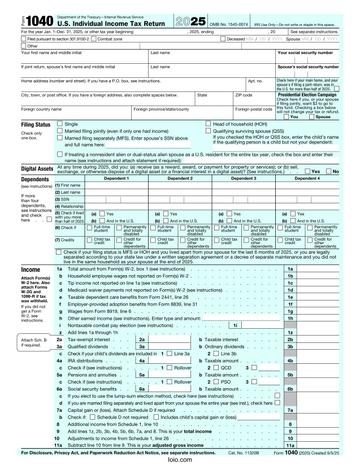
Form 1040, where you report overall income, deductions, and tax due.
Form 8949 that lists each stock sale and calculates gain or loss for each transaction.
Schedule D that summarizes totals from Form 8949 and determines your net capital gain or loss for the year.
At the same time, the broker issues:
- 1
Form 1099-B to report your proceeds, dates, and often cost basis for stock sales and similar transactions.
- 2
Form 1099-DIV to report dividends and certain distributions you received during the year.
- Form 1040
 5334 downloads
 - Form 1099-B
 5181 downloads
 - Form 1099-DIV
 5184 downloads
5. Goodwill and the "step-up"
Goodwill is the portion of the price that is not tied to "hard" assets, such as inventory or equipment. It reflects the value of such things as the business name, reputation, trained workforce, and customer relationships.
If you pay $500,000 for a business whose equipment and inventory are worth $200,000, the remaining $300,000 is allocated to goodwill and other intangible assets.
In an asset purchase, goodwill is usually treated as a Section 197 intangible, which means you can generally amortize it over 15 years. You also get a "step-up," which means your tax deductions for assets are based on what you paid today, not what the seller paid years ago. A fair-market-value step-up increases depreciation and amortization tax benefits, which can lower your taxes after the deal.
In a stock purchase, you buy the shares, so you usually do not get a new tax basis in the company's underlying assets. That means you typically do not get new tax write-offs based on the price you paid for the shares. However, in some cases, IRC Section 338 may allow a corporation to buy a target corporation's stock and register the transaction as an asset acquisition rather than a stock purchase to obtain some tax benefits.

Asset purchases and stock purchases differ in many aspects, from liability exposure to the documentation you need. The first option offers control plus potential tax advantages through basis step-up, while the second one is simpler to fulfill, yet it carries broader liability exposure. To make the right choice between the asset vs. stock purchase, review all the differences and decide which of them you’re ready to accept at the current moment.
More guides
September 15
10 min read
Who Can Sign a Contract on Behalf of a Company?
September 15
What Is Contract Redlining?
September 1
7 min read
How to Provide Proof of Employment: Documents and Steps
October 15
How to Start a Staffing Agency: Licensing, Pricing, and Cash Flow
July 20
4 min read
Addendum vs. Amendment: Change Your Purchase Agreement Properly
July 22
Vendor vs Supplier: Key Differences and Which Agreement to Use
One home for your
agreements
Edit PDFs seamlessly
Tweak agreements before signing or sending for signatures. Update details, add or remove clauses, adjust formatting, and redline changes instantly.
eSign legally and securely
Sign documents and collect legally binding signatures. Invite up to ten people to sign in any order, track the progress, and send reminders.
Request legally binding signatures
Invite up to ten people to sign your document in any order. Get a finalized, audit-ready copy without chasing signatures.
Skip the drafting.
Choose from 2,500+ templates
Browse templatesChoose a template
Fill in details
Sign and download