Updated September 15, 2026
What Are the Stages of the Contract Management Lifecycle?
What Are the Stages of the Contract Management Lifecycle?
- What Is Contract Lifecycle Management?
- Stage 1: Contract Request and Planning
- Stage 2: Contract Drafting and Creation
- Stage 3: Contract Review and Negotiation
- Stage 4: Contract Approval and Internal Authorization
- Stage 5: Contract Execution and Signing
- Stage 6: Contract Monitoring and Compliance Management
- Stage 7: Contract Renewal, Amendment, or Termination
- Contract Management Lifecycle Checklist for Small Businesses and Freelancers
Content
Contract management doesn’t end once everyone signs the agreement. Signing is actually often the point where the most important work begins. Missing a payment deadline or forgetting an obligation can create problems months or even years after a contract was executed. This happens to freelancers managing client projects, business owners working with vendors, and companies handling employee, service, and subscription agreements.
Contract management lifecycle helps businesses keep contracts organized from the moment they are requested until they are renewed, amended, or terminated. Here, we explain each stage of the contract lifecycle, why it matters, and what individuals, freelancers, and small business owners should pay attention to in 2026.
What Is Contract Lifecycle Management?
If you've ever drafted a contract, negotiated terms, signed an agreement, or renewed a vendor subscription, you've already participated in contract lifecycle management.
What is contract lifecycle management in simple terms? It is the process of managing a contract throughout its entire lifespan, starting with the initial request and drafting stage through execution, monitoring, renewal, or termination.
The contract management process cycle typically includes:
- Planning and requesting a contract
- Drafting and creating the agreement
- Reviewing and negotiating terms
- Getting approvals
- Signing the contract
- Monitoring obligations and compliance
- Renewing, amending, or ending the agreement
Many businesses run into problems not necessarily because the contract itself was bad, but because nobody tracked what happened after signing.
The exact contract lifecycle management stages vary depending on the business and industry. A freelancer managing a client agreement may follow a simpler process than a manufacturing company managing supplier contracts. However, the core stages remain largely the same.
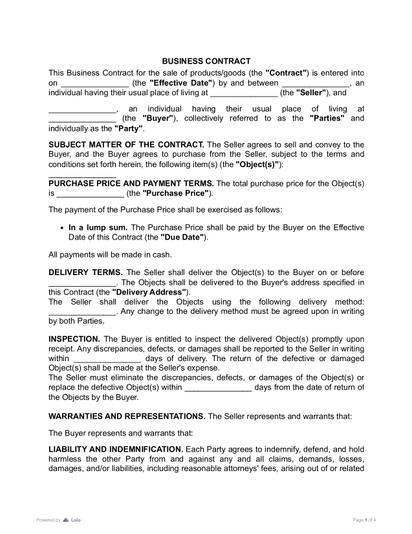
Businesses can customize a business contract for recurring commercial relationships.
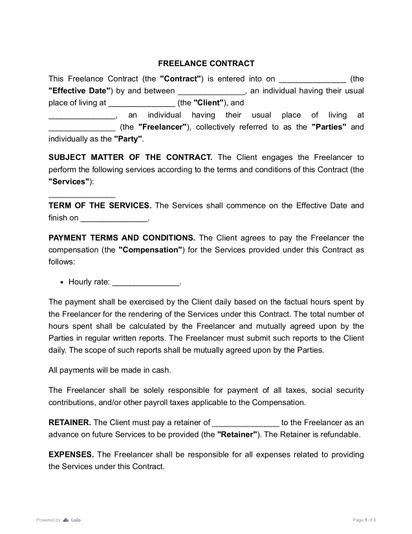
Independent professionals can use a freelance contract to define project scope, payment, revisions, and ownership.
Why Contract Lifecycle Management Matters for Small Businesses and Freelancers
Freelancers
Large corporations have legal departments and dedicated contract management software, but most freelancers and small business owners do not.
That means one missed deadline or unclear obligation can have a much greater impact. For example, a business owner could accidentally renew an expensive software subscription for another year, which can be a costly mistake. Or a company might fail to meet a contractual reporting obligation and trigger penalties, which may mean a significant loss for a new business.
Strong contracts lifecycle management helps businesses:
- Reduce payment disputes
- Avoid missed deadlines
- Monitor contract obligations
- Track renewals and expiration dates
- Maintain organized records
- Reduce legal and financial risk
Good contract management will help you make sure the agreements you already signed continue to work for you the way they should.
Stage 1: Contract Request and Planning
The planning stage determines what the contract should accomplish, who will participate, and what risks need to be addressed. If you skip this step, it can lead to disputes later because expectations were never fully discussed. Before drafting any agreement, ask:
- Who are the parties involved?
- What products or services will be provided?
- How much money is involved?
- What deadlines are important?
- What happens if somebody fails to perform?
- Will confidential information be shared?
- Which state's laws will govern the agreement?
A business owner hiring a website developer, for example, may assume ownership of the final product automatically transfers after payment, while the developer may assume the opposite. This can lead to significant disputes later and damage the relationship.
A contract's parties may be individuals or legal entities such as corporations or LLCs. Each party must have the legal capacity to enter the agreement, and anyone signing for an organization must have the authority to bind it.
Always identify the correct parties at the beginning of the process to avoid problems with enforceability later.
Stage 2: Contract Drafting and Creation
The contract management lifecycle process becomes much easier when contracts start with clear, consistent language. Once the expectations are clear, the next step is creating the agreement itself. Many business disputes happen because important details were left out during drafting. A contract should answer the questions both parties are most likely to ask six months from now, not just today.
A well-written contract generally includes names of all parties, scope of work, payment terms, deadlines and milestones, ownership rights, confidentiality requirements, dispute resolution procedures, termination rights, and governing law provisions.
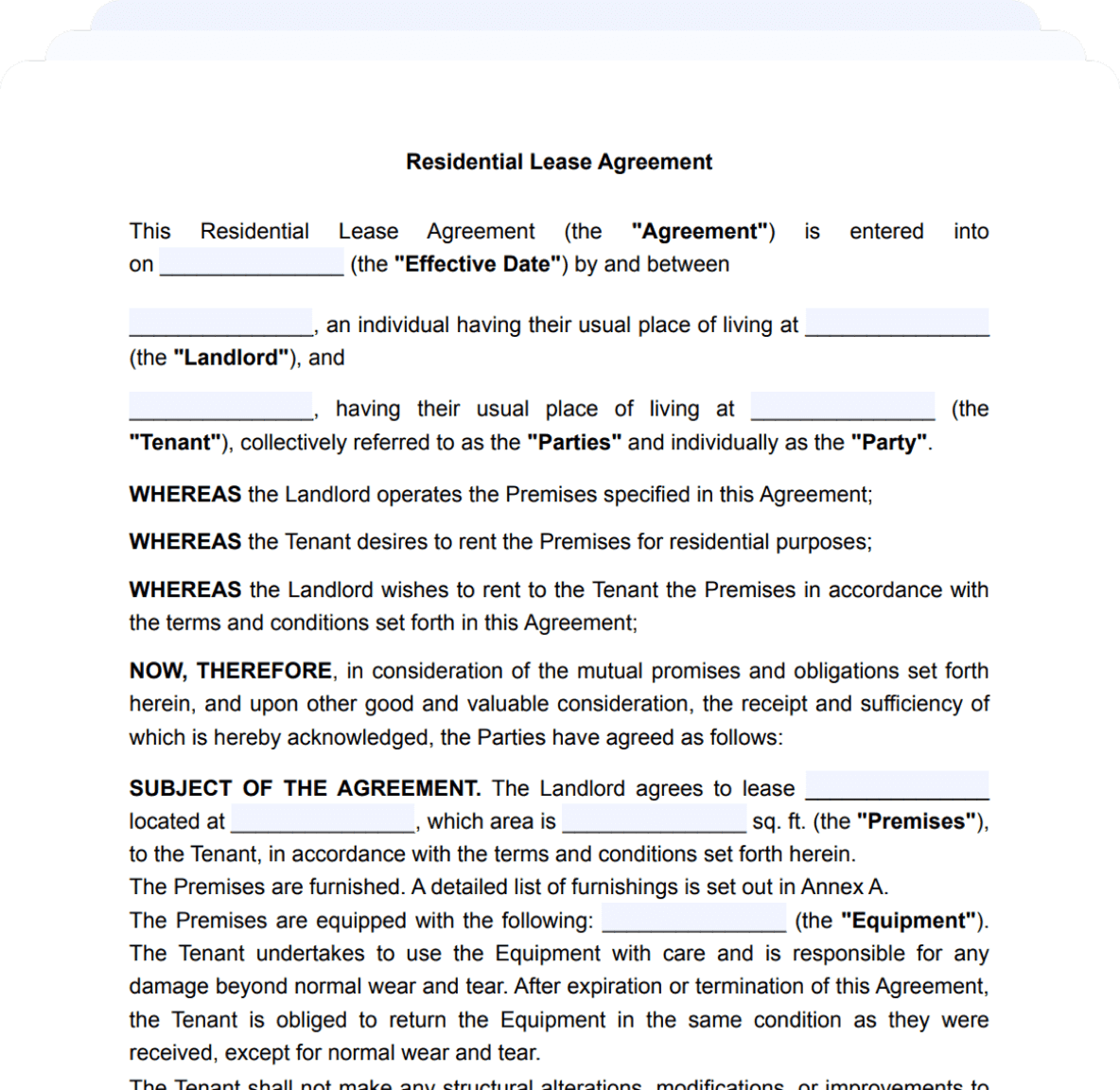
For example, a freelance designer may use a service contract to define deliverables, revision limits, payment schedules, and ownership of completed work. Templates can speed up drafting significantly, especially for freelancers or new business owners. However, businesses may run into trouble if they reuse outdated agreements or don’t customize them properly.
Standardized templates help reduce errors because they provide consistency across agreements. They also make future negotiations easier because common provisions have already been reviewed.
Many businesses now maintain approved templates for frequently used agreements, including vendor contracts, contractor agreements, consulting agreements, and client service agreements.
Stage 3: Contract Review and Negotiation
Signing a contract too quickly is one of the most common mistakes businesses make. Review and negotiation let both sides confirm that the agreement accurately reflects what they intended to accomplish.
Even small changes can significantly affect financial or legal outcomes. During review, businesses typically focus on:
- Pricing and payment schedules
- Performance expectations
- Ownership of intellectual property
- Confidentiality obligations
- Liability limits
- Termination rights
- Dispute resolution procedures
Negotiations also provide an opportunity to identify risks that might otherwise remain hidden until a dispute occurs. Before negotiating important terms, many business owners and freelancers use AI-powered contract review tools to identify unusual clauses, summarize obligations, and flag potential risks that deserve closer attention.
Red Flags to Watch For
Certain contract provisions deserve extra attention. Common warning signs include:
- Unlimited liability clauses
- Unclear descriptions of deliverables
- Automatic renewals with short cancellation windows
- One-sided termination rights
- Confidentiality obligations that are unlimited or indefinite without distinguishing trade secrets from other information
- Vague payment terms
- Broad indemnification clauses
Businesses often overlook automatic renewal provisions. In recent years, federal and state regulators have increased scrutiny of subscription and auto-renewal practices, particularly where cancellation procedures are difficult or poorly disclosed.
Version control is particularly important during negotiations. Maintain records of changes, comments, and approvals to provide valuable evidence if disagreements arise later.
Stage 4: Contract Approval and Internal Authorization
Before signing, businesses should confirm that the right people have approved the agreement. This stage is often informal in smaller organizations, but it still matters. When employees or contractors sign agreements without proper authority, the organization may dispute whether it is bound — though it can still end up bound if it later approves the deal, or if the other side reasonably believed the signer had permission. Approval procedures help businesses identify financial risks, verify legal obligations and confirm budget availability.
Who Should Approve Contracts?
The approval process usually depends on company size.
Freelancers and sole proprietors usually approve their own contracts. Even so, reviewing payment terms, deadlines, and ownership clauses carefully remains important.
Small businesses often involve owners, managers, finance personnel, or outside attorneys when necessary.
Larger organizations and growing businesses may require approval from legal teams, finance departments, operations managers and executives.
Internal approvals may seem unnecessary when business relationships are friendly but disagreements often arise months after contracts were signed, when memories of verbal discussions have faded.
Stage 5: Contract Execution and Signing
Once negotiations and approvals are complete, the parties execute the agreement. Execution generally means completing the required formalities, most commonly signing. Whether a signature is legally required depends on the agreement and the applicable law, and some contracts can be formed through conduct.
Today, businesses increasingly use electronic signing platforms rather than paper documents. Under the federal Electronic Signatures in Global and National Commerce Act (E-SIGN Act), a signature or contract generally cannot be denied legal effect solely because it is electronic, and state electronic transactions laws provide similar recognition. The parties need to agree to conduct the transaction electronically, and the signature and record need to be attributable to the signer. Additional consent, disclosure, retention, or execution requirements can apply to consumer transactions and certain document types, so check the law governing your specific agreement.
Besides editing documents online as the negotiations progress, many businesses now also routinely sign documents electronically because it speeds up execution and creates useful audit trails.
Best Practices for Signing Contracts
Before signing:
- Confirm that all exhibits are attached
- Verify the authority of each signer
- Confirm effective dates
- Review the final version carefully
- Store signed copies securely
Businesses managing multiple agreements can benefit from centralized storage systems because they reduce the risk of losing executed contracts.
Common Execution Mistakes
- Signing the wrong draft
- Using unauthorized signers
- Omitting attachments
- Missing signature pages
- Failing to distribute executed copies
- Storing contracts in multiple locations
Many businesses assume that signing completes the process but the next stage often requires the most ongoing attention.
Stage 6: Contract Monitoring and Compliance Management
Businesses focus heavily on negotiation and execution while paying much less attention to ongoing management. This creates problems when obligations, deadlines, and renewals are overlooked.
The contract management lifecycle process usually includes active monitoring after execution because contracts continue creating obligations long after signatures are collected.
What Happens After Signing?
Once a contract becomes effective, businesses should begin monitoring payment obligations, performance deadlines, reporting requirements, insurance obligations, confidentiality requirements, renewal dates, and notice periods.
For example, a marketing agency managing several clients may need to track monthly reporting obligations, quarterly payment schedules, and annual renewal deadlines simultaneously.
Failure to monitor obligations can eventually lead to a breach of contract, even when both parties initially intended to comply.
What Should Businesses Track?
Businesses should create systems for monitoring important dates and obligations, such as:
- Invoice deadlines
- Payment due dates
- Milestone completion dates
- Renewal windows
- Expiration dates
- Required notices
- Insurance certificates
- Compliance obligations
- Amendment history
Some businesses use dedicated software platforms and others rely on spreadsheets, calendars, reminders, and centralized document storage. However, the particular method matters less than using it consistently.
How Regulatory Compliance Affects Contract Management
Contract obligations do not exist in isolation. They may interact with federal, state, and industry-specific regulations. For example, employers must comply with employment laws, healthcare providers must follow privacy regulations, and banks and other regulated financial institutions may be subject to reporting and recordkeeping requirements imposed by their applicable regulators. In many cases, regulatory compliance depends on maintaining accurate records, monitoring obligations, and preserving audit trails.
Businesses offering subscription products should check the federal and state rules governing automatic renewals, recurring billing, disclosures, consent, and cancellation. These vary by jurisdiction and continue to change. The FTC continues to enforce existing consumer protection law against deceptive or unfair negative-option practices.
Common Post-Signature Mistakes
Businesses commonly make several avoidable mistakes, such as:
- Forgetting renewal deadlines
- Missing notice periods
- Failing to document amendments
- Losing signed agreements
- Neglecting compliance obligations
- Failing to monitor performance milestones
Stage 7: Contract Renewal, Amendment, or Termination
Eventually, every contract reaches an endpoint. That endpoint may involve renewal, modification, extension, or termination. Businesses that monitor contracts carefully usually have more options than those discovering expiration dates at the last minute. Renewal decisions should consider current pricing, business needs, contract performance, legal changes, and market conditions.
Sometimes extending an existing agreement makes more sense than negotiating a completely new contract. A contract extension can preserve a successful business relationship and may reduce the time and expense involved in negotiating a replacement agreement.
When circumstances change during the contract term, document the change in a written amendment signed by the appropriate parties, and follow any amendment procedure the original contract establishes. Oral changes may be difficult to prove and, depending on the agreement and the applicable law, may be ineffective or create disputes over whether one side gave up its rights.
When a business relationship ends, a formal contract termination letter creates a written record of the termination. The notice should follow the contract's own requirements on permitted grounds, notice periods, cure rights, delivery method, recipient, and effective date. Include a reason only when the agreement or the circumstances actually require one.
Businesses should also review whether any obligations survive termination. For example:
- Confidentiality requirements
- Non-disclosure obligations
- Payment obligations
- Intellectual property restrictions
- Record retention requirements
Together, different phases of contract management help business relationships begin, operate, and conclude with clearer expectations.
Contract Management Lifecycle Checklist for Small Businesses and Freelancers
The easiest way to manage contracts consistently is to follow the same process every time.

Contracts don't stop affecting your business after they are signed. Payment obligations, renewal dates, performance requirements, and compliance responsibilities continue throughout the life of the agreement. Businesses that understand what contract management lifecycle is and regularly review and manage their contracts are usually in a stronger position to negotiate, resolve disputes, and adapt when business needs change.
More guides
September 15
What Is Contract Redlining?
September 1
7 min read
How to Provide Proof of Employment: Documents and Steps

October 7
How to Start a Staffing Agency: Licensing, Pricing, and Cash Flow
September 10
14 min read
How to Protect Your Small Business from Lawsuits
July 25
11 min read
Vendor Onboarding: Process, Checklist, and Faster Approvals
September 15
10 min read
Who Can Sign a Contract on Behalf of a Company?
One home for your
agreements
Edit PDFs seamlessly
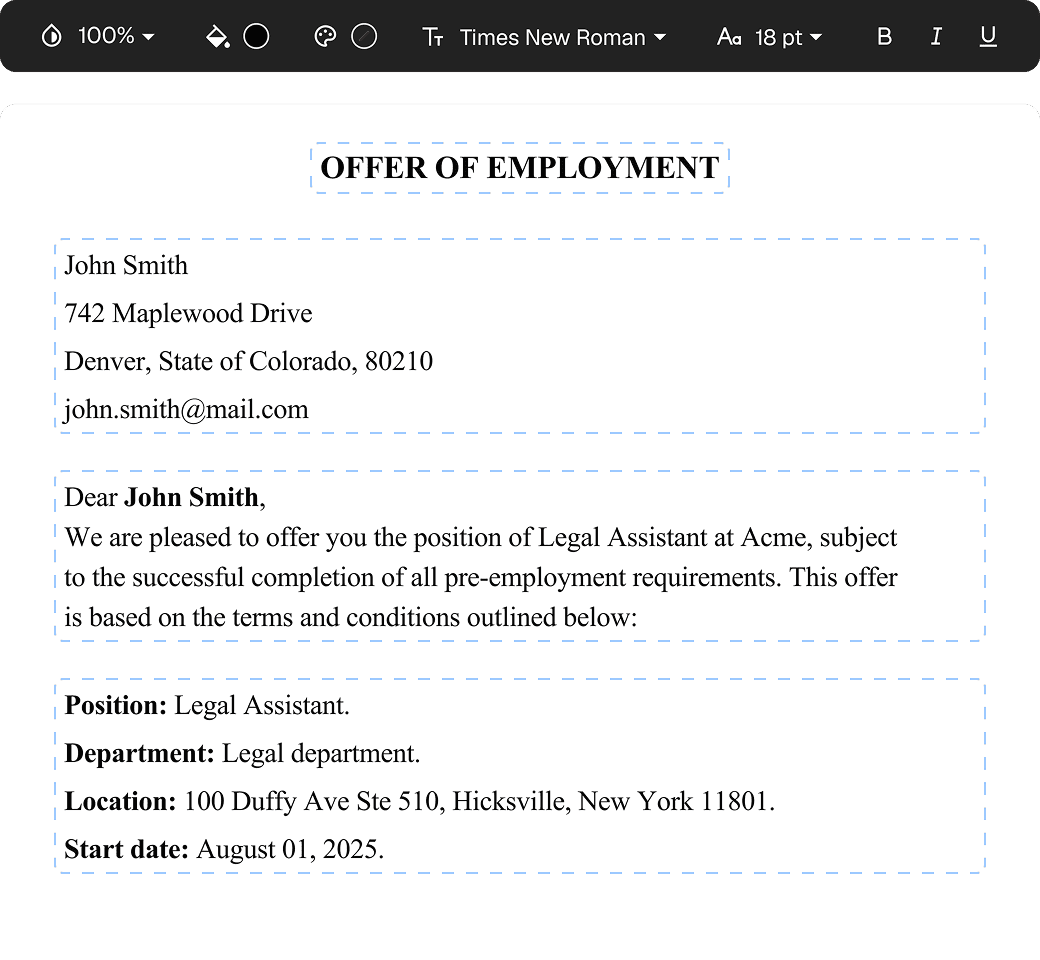
Tweak agreements before signing or sending for signatures. Update details, add or remove clauses, adjust formatting, and redline changes instantly.
eSign legally and securely
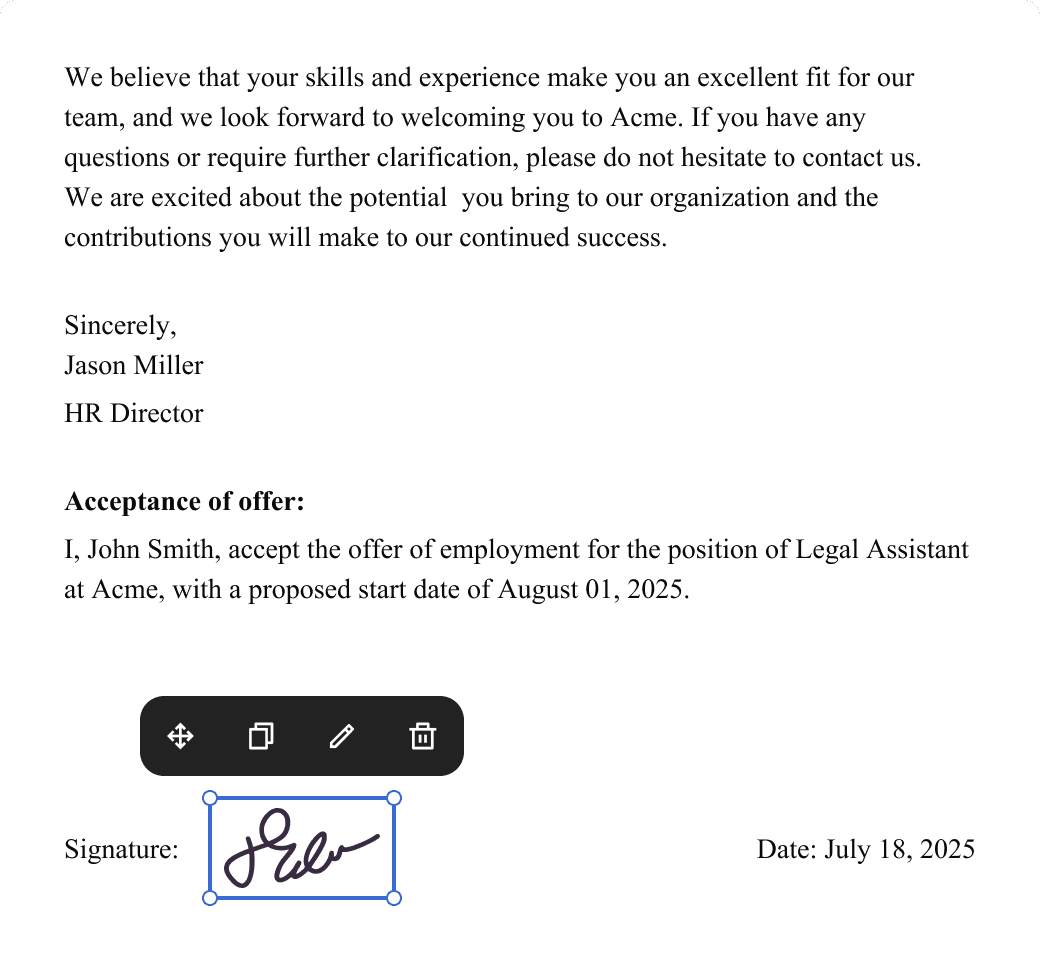
Sign documents and collect legally binding signatures. Invite up to ten people to sign in any order, track the progress, and send reminders.
Request legally binding signatures
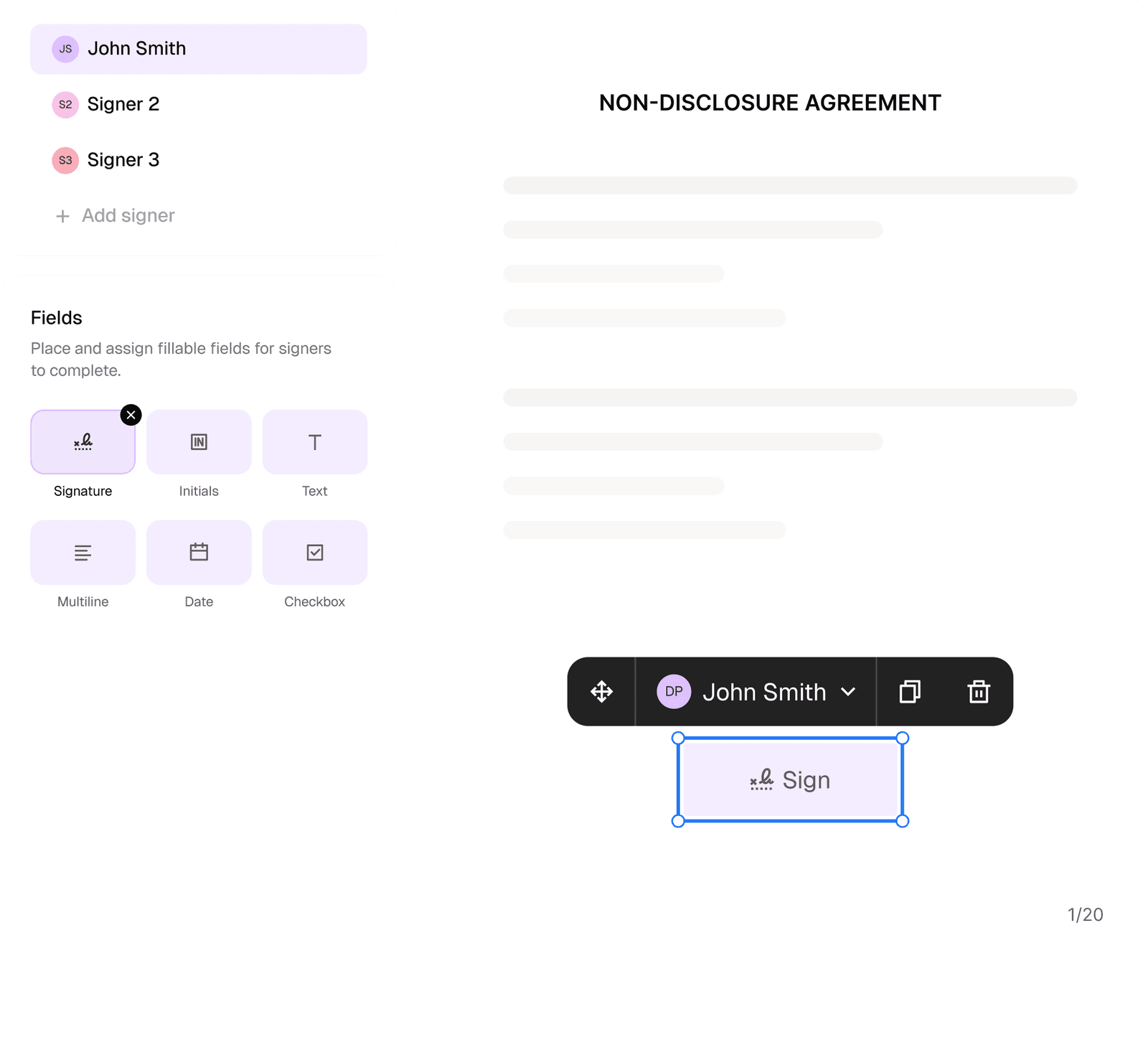
Invite up to ten people to sign your document in any order. Get a finalized, audit-ready copy without chasing signatures.
Skip the drafting.
Choose from 2,500+ templates
Browse templatesChoose a template
Fill in details
Sign and download